

KNH Introduces Advanced Technology for Haemorrhoids Treatment

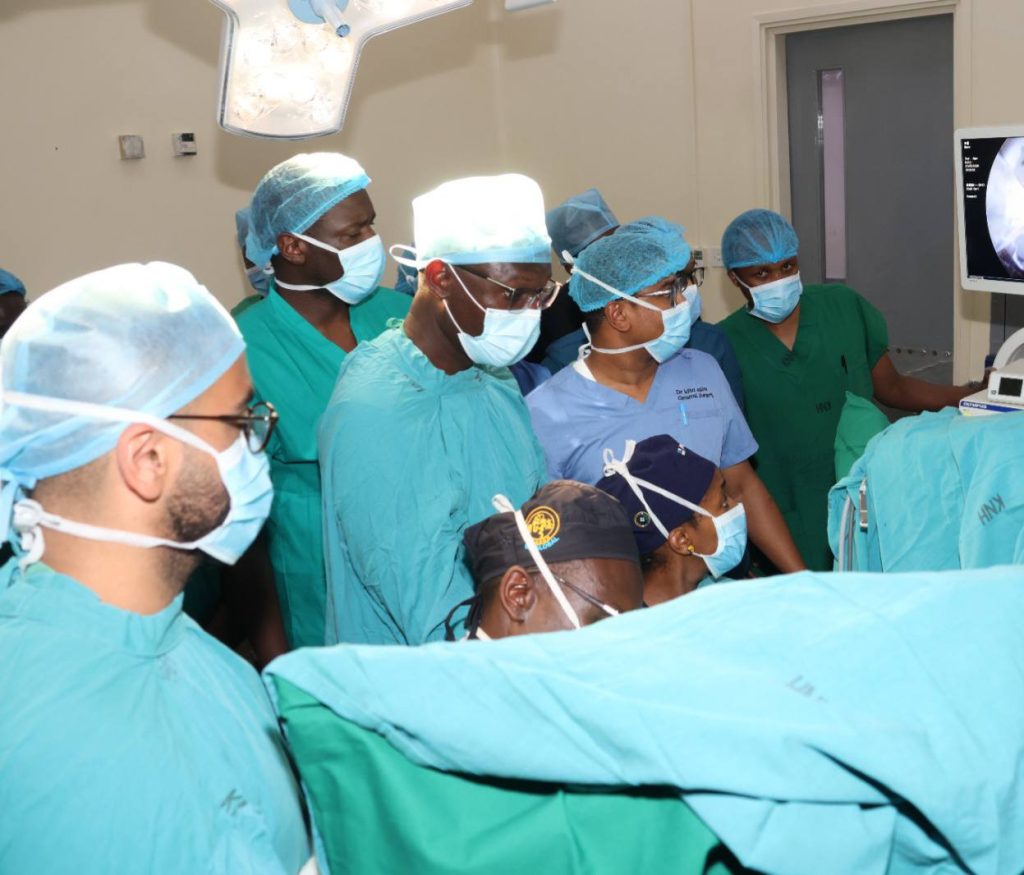
The Kenyatta National Hospital (KNH) has successfully conducted haemorrhoids treatment procedures using the advanced Transanal Hemorrhoidal Dearterialization (THD) technology, marking a major milestone in the management of the condition in Kenya.
The procedures were carried out in partnership with Pentaprism Medical Africa under a collaborative learning and skills transfer programme aimed at strengthening minimally invasive surgical care at the hospital.
According to KNH Director of Surgical Services, Dr. Kennedy Ondede, haemorrhoids are swollen and enlarged veins located in the lower rectum or around the anus, similar to varicose veins. He explained that the condition is common and can develop internally within the rectum or externally under the skin surrounding the anus.
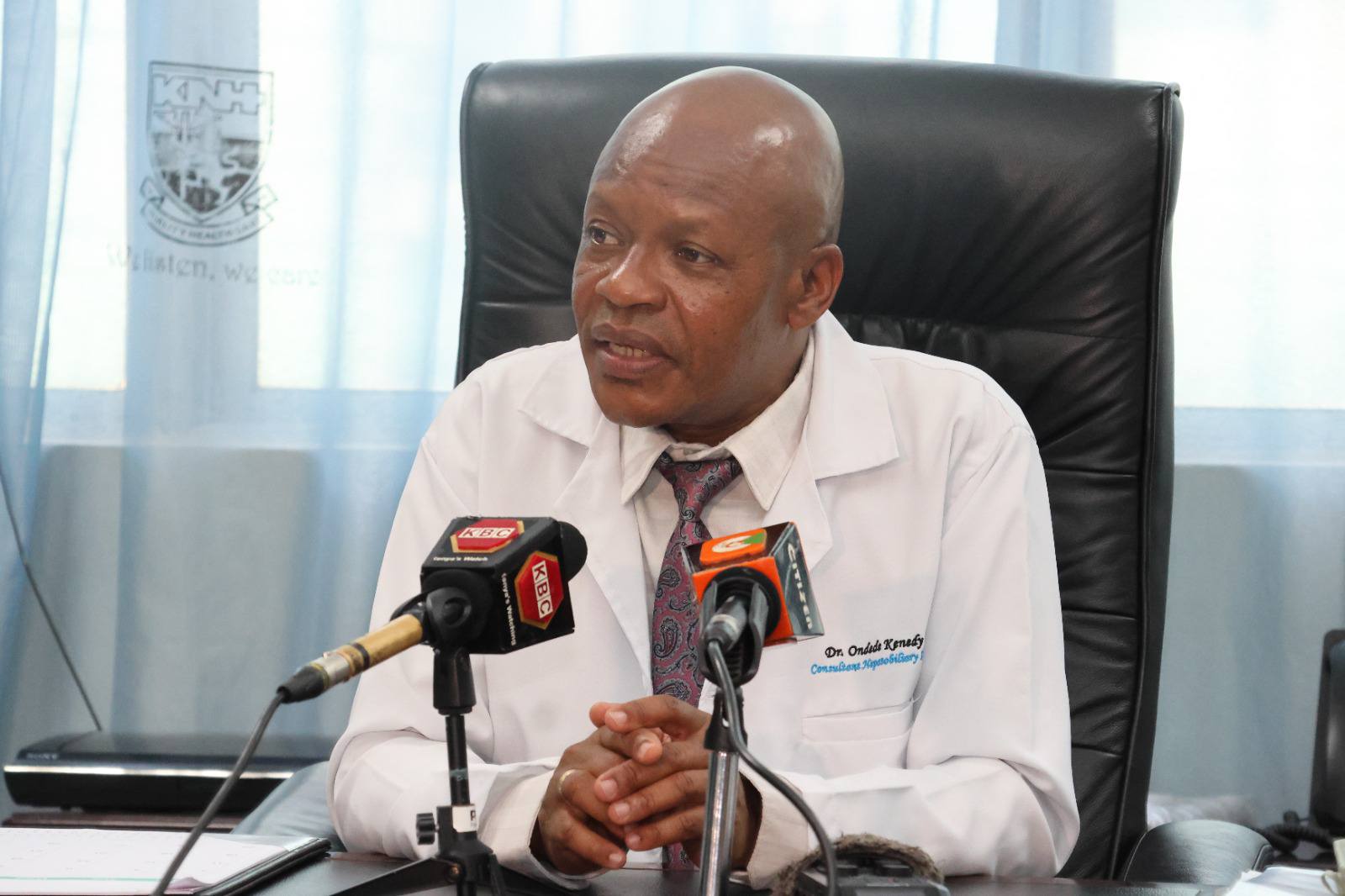

“Although generally benign, haemorrhoids can cause significant discomfort and negatively affect quality of life,” Dr. Ondede said.
He noted that common causes of haemorrhoids include straining during bowel movements, chronic constipation or diarrhoea, prolonged sitting on the toilet, pregnancy, obesity, low-fibre diets and heavy lifting.
Traditionally, haemorrhoids have been treated through various methods, including open surgery, stapling, banding, laser procedures, injection of sclerosants and medication-based management.
However, KNH said the introduction of THD technology offers a modern, minimally invasive alternative that is expected to improve patient outcomes significantly.
The THD procedure uses a Doppler-guided instrument to identify and tie off arteries supplying blood to haemorrhoids, reducing swelling and symptoms without the need for extensive tissue removal.
Hospital officials said the technology comes with several benefits, including reduced pain after the procedure, faster recovery and return to normal activities, reduced bleeding, minimal surgical wounds, shorter hospital stays and a lower risk of complications such as infection, anal narrowing and incontinence.
KNH Senior Director for Clinical Services, Dr. Joel Lessan OGW, said haemorrhoids remain a common condition in Kenya, with many patients often requiring surgical intervention.
“The adoption of THD technology is expected to improve patient outcomes through shorter hospital stays, quicker recovery and an enhanced overall patient experience,” said Dr. Lessan.

