

KRA announces digital transformation, efficient revenue mobilization strategies to mark 30 years

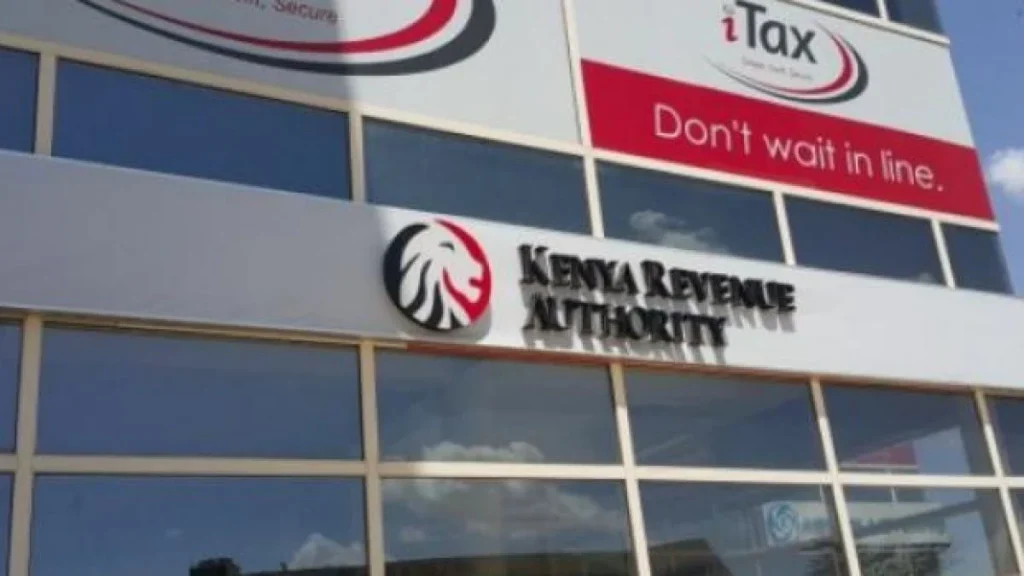
The Kenya Revenue Authority Commissioner General Humphrey Wattanga announced plans to transform the Authority into a premier service entity, expand digital servic
es, and finalize restructuring efforts aimed at a more focused and efficient revenue mobilization strategy.
Speaking during the 30 years celebration event held today at Times Tower, Nairobi, the Wattanga said that since its establishment in 1995, the Authority has registered a remarkable journey of growth, innovation, and resilience.
He said that since 1995, the Authority has seen exponential growth in revenue
collection.
From an annual collection of Sh122.066 billion in the mid-90s, KRA surpassed the Sh1 trillion milestone in the fiscal year 2014/2015, collecting Sh1.069 trillion.
By FY 2021/2022, revenues had more than doubled to Sh2.031 trillion despite challenges posed by the COVID-19 pandemic, and in the current fiscal year, KRA has already surpassed Sh2.5 trillion in collections.
Cabinet Secretary for National Treasury & Economic Planning John Mbadi, reiterated the government’s commitment to supporting KRA’s critical role in national development.
“I have discussed with the Chairman and the Commissioner General, and we will soon allocate additional funding to enable KRA to enhance its revenue collection efforts. This support is vital as we
continue to drive Kenya’s economic growth and realize our vision for a prosperous and self-reliant nation,” said Mbadi.
Highlighting KRA’s contribution to Kenya’s fiscal stability and economic resilience, Mbadi emphasized that since 1995, KRA has been instrumental in enabling the government to invest in education, healthcare, national security, and infrastructure, which are the pillars that sustain our economy and improve the lives of Kenyans.
KRA’s Board Chairman Ndiritu Muriithi, praised the partnership between KRA staff and Kenyan taxpayers, calling the 30-year milestone a testament to their dedication.
“KRA’s successes would not have been possible without the hard work of our staff, the compliance of the public, and the support of development partners both locally and internationally,” he said.
Reflecting on KRA’s transformation, Wattanga recalled the early days marked by manual processes, lengthy queues, and cumbersome paperwork.
“In the 1990s, tax administration was a challenge with multiple queues, duplicative forms, and unofficial ‘agents’ promising faster services for a fee. Our journey to modernization began gradually and has now blossomed into an ambitious strategic vision focused on tax simplification,
technology-driven compliance, and tax base expansion,” he said.
Wattanga revealed plans to expand digital innovations, including the enterprise Application Programming Interface (API) platform, Gava Connect, developed in collaboration with young Kenyan tech innovators.
This platform aims to create a seamless, passive, and convenient compliance experience by leveraging artificial intelligence, data analytics, and machine learning.
These technological advancements have already demonstrated their impact.
KRA’s Annual Revenue Performance for 2024/25 recorded collections of Sh2.571 trillion, a 6.8% increase from the previous year.
Technology has empowered KRA to identify trends, enhance compliance, improve risk profiling and forecast revenue with greater precision.
As KRA marks three decades of service, the Authority remains committed to upholding professionalism, integrity, and collaboration with taxpayers and partners.
From the first audit teams in the 1990s to today’s AI-driven operations, KRA continues to evolve as a modern, digital-first tax authority.
Recent innovations such as eTIMS the GavaConnect API have reinforced KRA’s reputation as a leader in digital transformation, simplifying taxpayer engagement and securing government revenues.
KRA’s ongoing digital journey is aligned with the OECD’s Tax Administration 3.0 model, which envisions a taxpayer-centric ecosystem where compliance is seamlessly integrated into daily life and business operations.

