

KRC Announces Reopening of Gilgil–Nyahururu Railway Line

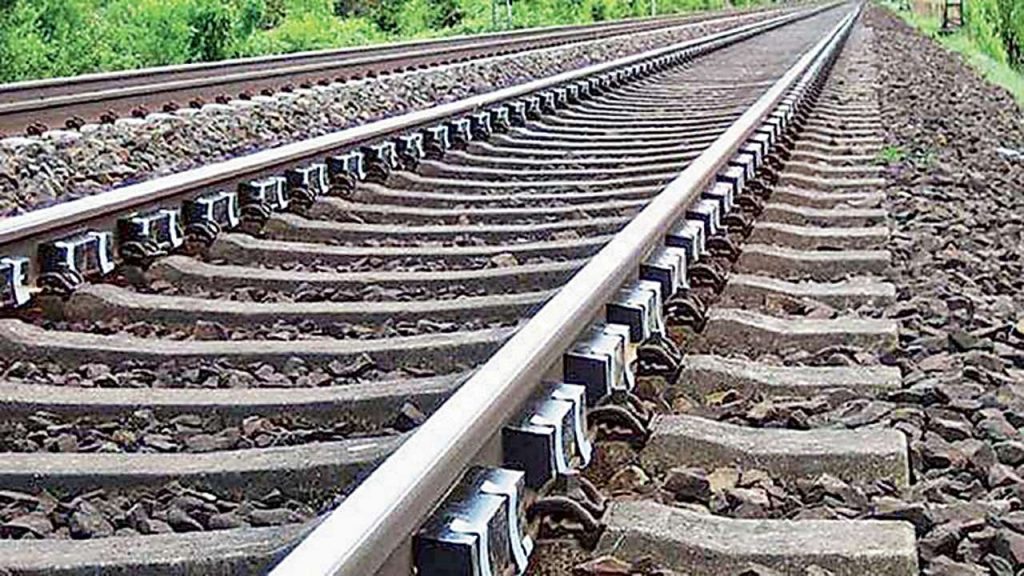
The Kenya Railways Corporation (KRC) has announced plans to reopen the Gilgil–Nyahururu railway line next month in a move aimed at enhancing transport connectivity and boosting freight movement across the Rift Valley region.
KRC said the 78-kilometre railway branch line is expected to resume operations within weeks, with the reopening intended to improve cargo efficiency and strengthen logistics networks linking industrial users to the country’s rail infrastructure.
“Kenya Railways further highlighted ongoing plans to launch operations along the Gilgil–Nyahururu railway branch line within the next month,” the corporation said in a statement.
The announcement followed a meeting held on May 20 between Kenya Railways and Bamburi Group, where discussions focused on the introduction of cement trains and clinker transportation as part of efforts to shift more cargo from roads to rail.
According to KRC, the move is expected to reinforce freight volumes and reduce reliance on road transport, which has increasingly strained major highways.
The rehabilitation of the Gilgil–Nyahururu railway line began in August 2020 through a partnership between the Kenya Railways Corporation and the county governments of Nyandarua and Nakuru.
The railway line had remained dormant for decades after falling into disuse in the late 1970s and early 1980s following the collapse of the East African Railways Corporation (EARC), which disrupted regional rail coordination and operations.
Declining passenger and freight numbers also contributed to the line becoming economically unsustainable, as maintenance costs rose and road transport emerged as the preferred mode for cargo movement.
Following its closure, the railway corridor deteriorated significantly, with cases of vandalism, blocked drainage systems and sections of the track being buried or damaged along the abandoned route.
The planned reopening comes amid broader government efforts to revive dormant railway infrastructure, particularly the meter gauge railway network, to enhance cargo capacity, ease pressure on roads and improve the country’s logistics systems.