

KWS graduates 250 new officers to strengthen security

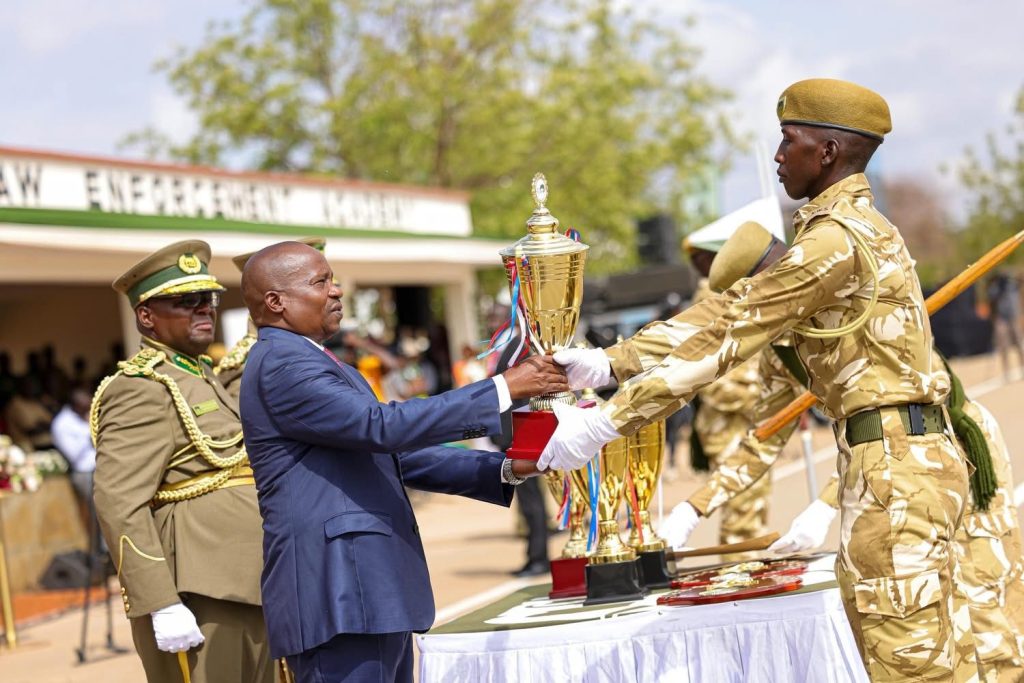
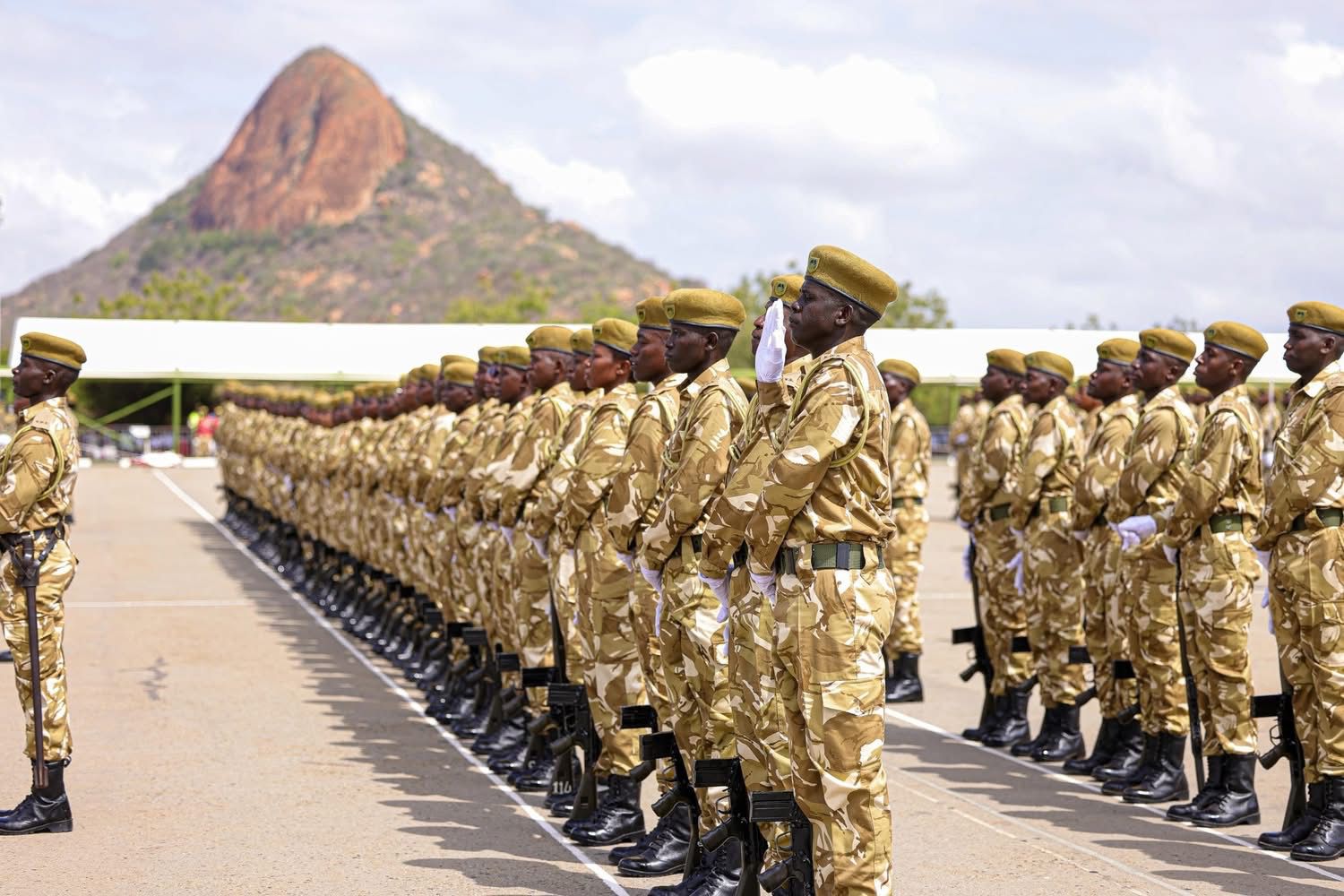
The Government of Kenya has reaffirmed its commitment to safeguarding wildlife as a strategic national asset following the passing-out parade of 250 newly trained Kenya Wildlife Service (KWS) officers.
This happened at the KWS Law Enforcement Academy in Manyani, Taita Taveta County.
KWS said the graduation underscores the government’s recognition of wildlife as a pillar of national sovereignty, security, climate resilience and economic transformation, with KWS officers serving on the frontlines of protecting ecosystems, communities and Kenya’s tourism economy.
The colourful ceremony was presided over Deputy President Prof. Kithure Kindiki and marked the graduation of 147 Cadet Officers, who completed nine months of intensive paramilitary training, and 103 Junior Officers, who underwent six months of promotional training.
Kindiki described the occasion as a historic milestone in Kenya’s conservation journey.
“Today, Kenya unveils a younger, more agile and more capable conservation force—one that will secure our landscapes, protect communities and visitors, respond swiftly to
human–wildlife conflict, and safeguard protected areas and conservancies across the country,” said Prof. Kindiki.
He emphasized that wildlife conservation is both a national heritage responsibility and a strategic economic priority under the Bottom-Up Economic Transformation Agenda (BETA).
He noted strong growth in tourism revenue in 2024 and reiterated the national ambition to welcome five million visitors annually by 2027, while diversifying tourism into culture, sports, events, adventure and MICE tourism.

He highlighted far-reaching reforms to modernize wildlife protection, including AI-enabled surveillance systems, drone technology, satellite-linked patrol tools, modern digital radio networks and intelligence-led anti-poaching operations, which have strengthened rapid-response capabilities and disrupted wildlife crime networks.
The Deputy President further outlined flagship initiatives aimed at restoring ecological space and connectivity, including the approval of the Nairobi National Park–Kapiti Wildlife Corridor, progress on the Lake Elementaita–Nakuru corridor, and the recent expansion of the Tsavo West Rhino Sanctuary from 92 to 3,200 square kilometres, making it the largest rhino sanctuary in the world.
“The Government remains unwavering in its commitment to sustained investment in the
Kenya Wildlife Service through the modernization of equipment and technology, continuous capacity building, enhanced officer welfare, provision of housing in remote and high -risk stations, and strengthened legal protection for rangers as they carry out their constitutional mandate.”
Cabinet Secretary for Tourism and Wildlife Rebecca Miano said the recruitment represents a transformative policy intervention undertaken more than a decade after the last major recruitment.
She noted that the officers are joining the Service at a defining moment marked by escalating human–wildlife conflict, climate-induced ecosystem stress, transnational wildlife crime and constrained conservation financing. She emphasized that the officers will be central to implementing the Tourism Blueprint 2030 and the Wildlife Strategy 2030, while strengthening partnerships with county governments, communities, the private sector and conservation partners.
Director General of Kenya Wildlife
Service Prof. Erustus Kanga described the graduation as a major milestone in the institutional transformation of KWS.
“Today, we proudly pass out 250 officers who have successfully completed intensive,
purpose-driven training—representing a deliberate Government investment in building a professional, disciplined and future-ready conservation agency,” said Prof. Kanga.
The ceremony concluded with a clear reiteration of the Government’s firm support for the newly commissioned officers and a call for them to uphold the highest standards of discipline, professionalism and integrity in the execution of their constitutional mandate to protect wildlife, secure communities and safeguard Kenya’s natural heritage.