

KWS Proposes New Park Fees To Address Sh12 Billion Conservation Shortfall

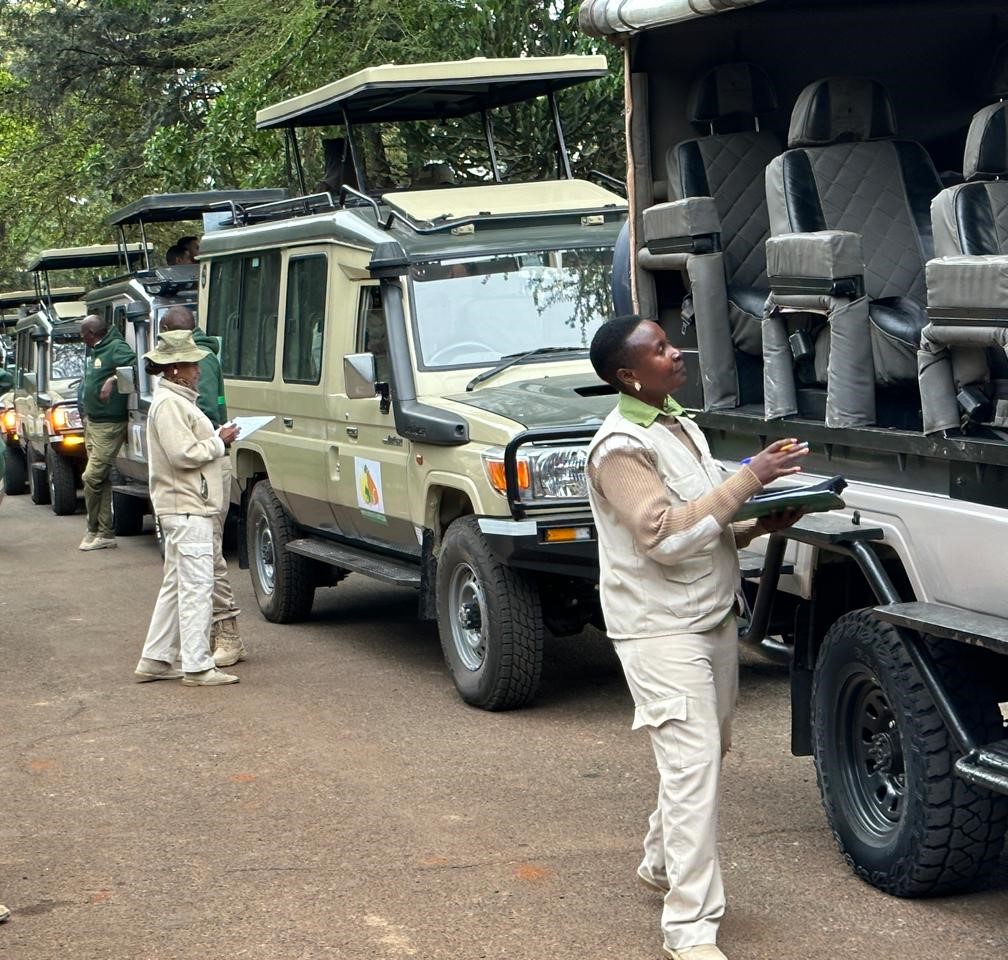
The Kenya Wildlife Service (KWS) is mobilising more resources to strengthen wildlife conservation efforts and tackle a growing funding shortfall that threatens the future of the country’s biodiversity.
In a public notice issued on Tuesday, July 11, 2025, KWS announced a nationwide public participation process scheduled between July 29 and August 8.
The process will give Kenyans a chance to give their views on proposed changes to access and conservation fees in parks, reserves, sanctuaries, and marine protected areas.
KWS is currently grappling with a Sh12 billion annual budget gap. In the 2024/25 financial year, the agency generated Sh7.92 billion against a requirement of Sh19.79 billion.
The shortfall has severely limited the agency’s ability to protect wildlife, restore damaged habitats, and respond effectively to threats such as poaching and human-wildlife conflict.
To bridge the gap, KWS has gazetted the draft Wildlife Conservation and Management (Access and Conservation Fees) Regulations, 2025. If approved, it would mark the first comprehensive review of park and conservation fees in 18 years.
KWS Director General Erustus Kanga said the fee adjustments are not just about raising money but are a lifeline for the country’s wildlife and a vital step in ensuring long-term sustainability of conservation.
“For over a decade, our conservation fee structure has remained static despite rising costs, evolving visitor expectations, and increasing threats to wildlife,” said Kanga.
“Today, more than 90 per cent of our internal revenue comes from tourism. Yet we face a growing financial gap that affects conservation and the livelihoods of over one million Kenyans who depend on a thriving wildlife economy.”
The proposed fees are part of a broader revenue enhancement plan outlined in KWS’s 2024–2028 Strategic Plan.
If adopted, revenues from park entry and conservation activities are projected to rise from Sh7.92 billion in 2024 to Sh16.58 billion by 2028, driven by expected increases in tourist visits and spending.
KWS maintains that the new fee structure will still keep Kenya competitive as a world-class wildlife tourism destination. It will also fund key priorities including anti-poaching efforts, infrastructure upgrades, conservation education, ecosystem restoration, and improved visitor experiences.
“This review is not just about revenue—it’s about the survival of our wildlife and the resilience of our conservation systems,” said Kanga.
“It is a bold and necessary step to protect our biodiversity, support communities who coexist with wildlife, and secure Kenya’s natural heritage for generations to come.”
Currently, foreign tourists pay between $22 and $60 for park access, while Kenyans pay an average of Sh215 for children and Sh860 for adults.
The new rates are expected to be adjusted, though KWS has pledged to ensure affordability and transparency throughout the process.
Wildlife tourism contributes roughly 10 per cent to Kenya’s GDP and generates over $1 billion (Sh128.9 billion) annually.