

Lawmakers Raise Concern Over High Placement And Exam Fees In TVET Institutions

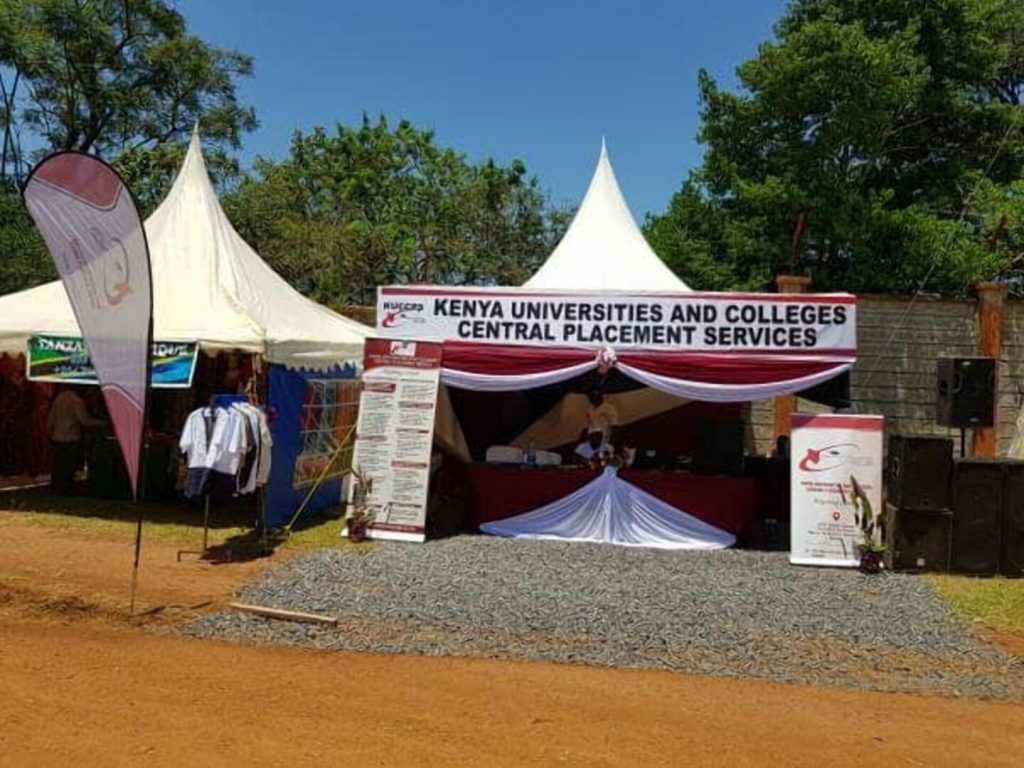
Lawmakers sitting on the National Assembly Education Committee have raised concern over the high cost of placement and examinations for students in Technical and Vocational Education and Training (TVET) institutions across Kenya.
During an inspection visit to Ollessos National Polytechnic on Wednesday, the Members of Parliament promised to intervene and push for measures that will ease the financial burden on students.
The MPs pointed out that each student is required to pay Sh1,500 during application to the Kenya Universities and Colleges Central Placement Service (KUCCPS), and another Sh1,500 for actual placement—bringing the total to Sh3,000.
This amount excludes the additional charges for registration and practical exams under the Curriculum Development Assessment and Certification Council (CDACC).
Nyamira County Woman Representative Jerusha Momanyi said the amount was too high for many students from humble backgrounds.
“This placement cost is too high. Many of these students cannot afford it. If we want to promote access to technical education, we must address these barriers,” she said.
Siaya Woman Representative Christine Ombaka added that CDACC assessment fees have become a burden for students in TVET colleges.
“Trainees are struggling to register, and that threatens their ability to complete their training. The government must step in to subsidize these costs,” she said.
Narok Woman Representative Rebecca Tonkei echoed the sentiments, saying the high fees were a common challenge across all polytechnics they have visited.
The institution’s senior principal, Wesley Yegon, acknowledged that students have access to government support through the new funding model and digital literacy programme, JITUME.
However, he noted delays in funding disbursement by the Higher Education Loans Board (HELB), coupled with a rise in enrolment, has stretched their facilities and trainers.
“This year, we have more than 11,000 trainees enrolled—the highest in our history. While this is a positive development, it has also put pressure on our classrooms, workshops, and teaching staff,” he said.
Despite the challenges, the committee chairman Julius Melly commended the institution for embracing the dual training model, which splits learning time between the classroom and industry through a partnership with GIZ.
Melly assured the institution and its students that Parliament will escalate the issue. “Our visit has shown that Ollessos is doing a commendable job, but needs both policy and financial support. We will make a strong case to the Ministry of Education for reforms and increased funding,” he said.