

M-Pesa Generates Sh478 Billion in Social Value as Free Transactions Expand

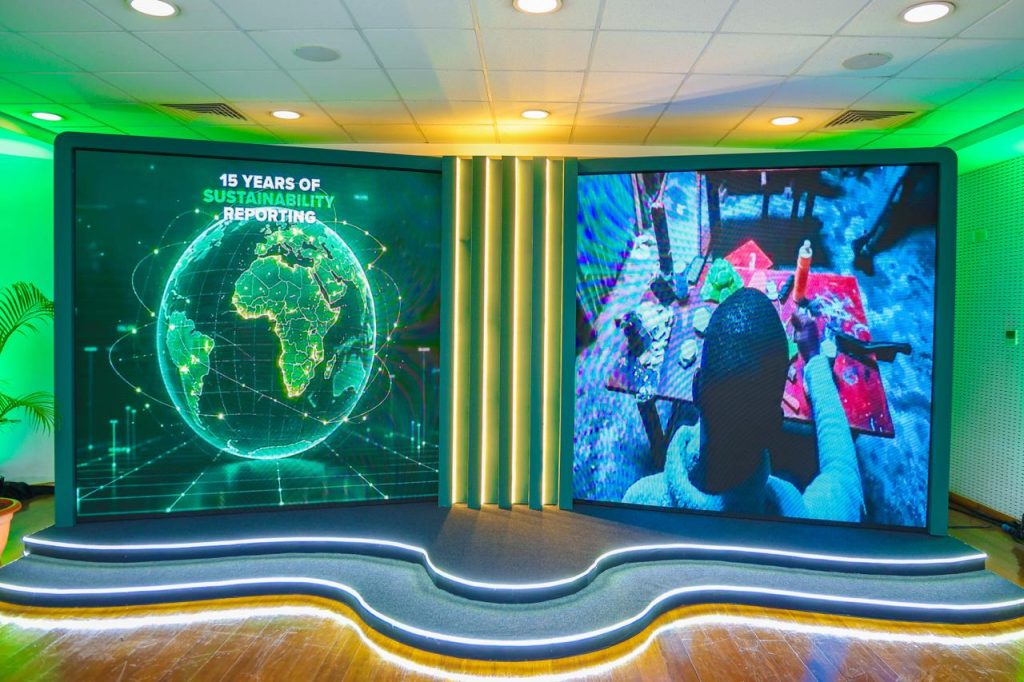
Safaricom’s M-PESA platform generated an estimated Sh478.1 billion in social value in the financial year ended March 2026, highlighting the growing contribution of digital financial services to Kenya’s economy and household livelihoods.
According to Safaricom’s 15th Sustainable Business Report, 57.8% of M-PESA transaction volumes during the year attracted no customer charges, supporting affordable access to digital payments and financial services for millions of Kenyans.
The findings highlight how mobile money has evolved beyond a payments platform into an important channel for financial inclusion, enabling customers to transact, save, invest and access credit.
Safaricom created Sh1.25 trillion in total value for Kenyan society during FY26, representing a 10% increase from the previous year. The value encompasses the company’s economic contribution, digital infrastructure, employment, business ecosystem and community investments.
The company’s wider ecosystem sustained more than 1.4 million jobs, including livelihoods supported through M-PESA agents, dealers, suppliers and other business partners.
Beyond mobile money, Safaricom continued to expand access to connectivity through more affordable data propositions. Of the 739,000 homes connected, 8,200 subscribed to an affordable home internet bundle priced at KES 800 per month, supporting efforts to broaden access to digital services.
Safaricom Group Chief Executive Officer Peter Ndegwa said the company’s impact should be measured by the value it creates for society, including how its services help Kenyans participate in an increasingly digital economy.
The report also highlights the company’s wider social and environmental commitments. Safaricom and the M-PESA Foundation programmes reached 4.4 million lives through initiatives in health, education, economic empowerment, water and environmental conservation.
On environmental sustainability, more than 2,000 Safaricom network sites were powered by solar energy during FY26, up from 1,432 in the previous financial year. Its tree-growing programme also reached three million trees.
The company reported that persons with disabilities accounted for 4% of its workforce, against a target of 5%.
Safaricom’s latest report adopts a double materiality approach to sustainability reporting, assessing both the impact of its operations on people and the environment and the financial implications of sustainability-related risks to the business.
The company aims to achieve full compliance with applicable IFRS sustainability disclosure requirements by FY28 as Kenya prepares for mandatory sustainability reporting.
The findings underscore the growing importance of affordable financial services and digital connectivity in expanding economic participation, while highlighting the responsibility of technology companies to balance business growth with measurable social and environmental impact.

