

Magistrate dismisses MP Kihara’s bid to quash incitement case against her

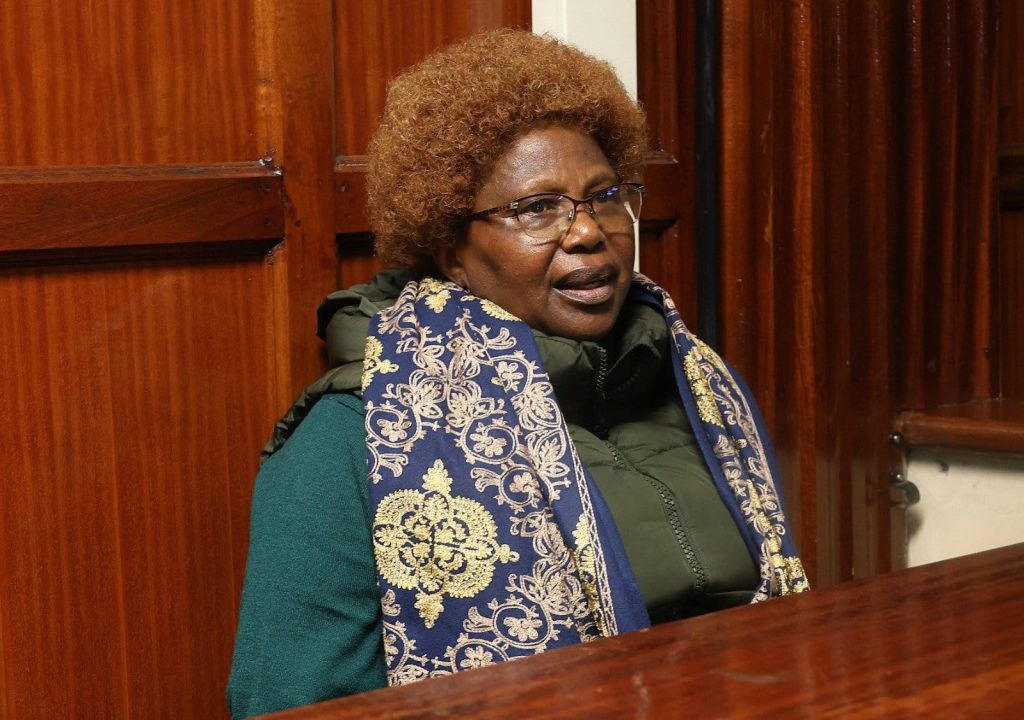
A Nairobi court dismissed an application by Naivasha Member of Parliament Jayne Kihara seeking to quash incitement charges filed against her.
Senior Principal Magistrate BenMark Ikhubi held that the Director of Public Prosecution (DPP) had acted within the confines of the law and that the charge brought against the MP was valid.
The court ruled that the charge sheet meets the necessary legal requirements and that the legislator was in a position to “fathom and adequately discern” the charges.
“A charge must be clear and easily understood. As far as possible, technical language should be avoided in the charge sheet to allow the accused to fully comprehend the allegations,” said Ikhubi.
The court also ruled that the DPP is an independent constitutional entity, and its decisions on whether to institute criminal proceedings cannot be directed or controlled by any external authority.
“The Office of the DPP is independent under Article 157(10) of the Constitution and does not require consent from any person or authority to commence criminal proceedings,” said the magistrate.
“However, this independence is not absolute. Article 157(11) requires that the DPP considers public interest, the interests of the administration of justice, and the need to prevent abuse of the legal process.”
Kihara’s legal team however urged the court to defer plea-taking to allow for constitutional interpretation on the matter.
Led by defence lawyer Ndegwa Njiru they asked the court to stay its earlier ruling and suspend the plea-taking to allow the team to seek clarity from the High Court on constitutional issues surrounding the charge.
“We have listened to your ruling and we are well guided in many respects, but we are now making a fresh application to defer plea,” said Njiru.
“We need to get a firm position on a key constitutional point. This case touches directly on Article 33 of the Constitution on freedom of expression.”
The defence argued that the MP, being an elected leader, enjoys broader latitude when expressing herself, especially on matters concerning her constituents.
They insisted the matter is fundamentally about the Bill of Rights and warrants constitutional interpretation.
“When an elected Member of Parliament speaks about the state of affairs in her constituency and that statement is criminalised, we must ask do we still have a country?” he posed.
“This is not just about the accused. It is about how far the State can go in policing speech protected by the Constitution.”
The defence also argued that the absence of a complainant meant the case lacked a personal victim and amounted to an offence against public order
“There is no natural complainant coming forward to say the MP wronged them. These are alleged offences against public order,” Njiru said.
The team maintained that taking plea at this stage would render their intended constitutional petition “nugatory.”
“If she takes a plea and we move to the high court will it amount to an academic exercise. That’s the test court ought to apply. The violation maybe much more surmounting than consequences that will be fall her,” said the defence.
But the prosecution opposed the application, insisting that the charge sheet had been found proper and that the plea could proceed.
“There is nothing preventing the defence from pursuing a constitutional petition at the High Court even after plea is taken,” the prosecution stated.
“This court has confirmed the validity of the charge. The accused is properly before court.”
The prosecution said that only violations of rights under Article 25(a) and (b) of the Constitution could justify halting plea-taking at this stage, an argument the defence rebutted, insisting they were not asking for High Court supervision, but only for clarity on the legality of the DPP’s actions.
Kihara was released on a personal bond of Sh50,000 on July 18 after she appeared in court in connection with the alleged incitement incident, but did not take a plea.
Her legal representatives, Kalonzo Musyoka and Njiru, challenged the charge sheet, describing it as defective and lacking any known offence in law.
They also claimed the case was politically driven and lacked merit.
The prosecution dismissed the defence objections and argued that the MP’s alleged statements amounted to incitement and were serious enough to warrant a full trial.
The court will rule on August 5, 2025 whether Kihara will plead to the charges.