

Maraga accuses Ruto of neglecting education, healthcare

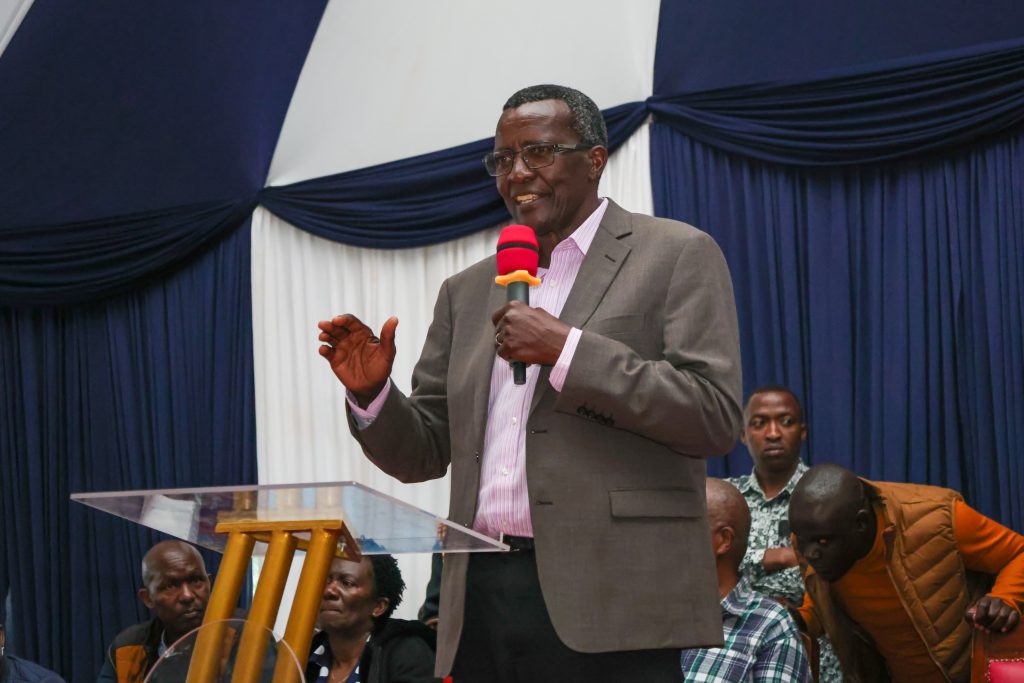
Presidential hopeful David Maraga has criticised President William Ruto’s administration over its handling of the university lecturers’ strike and what he described as a worsening healthcare crisis.
Maraga said the two sectors would be central to his 2027 presidential campaign, accusing the government of failing to prioritise essential public services at the expense of ordinary Kenyans.
Speaking at Kerumbe Village in North Mugirango, Nyamira County, on Friday, the former Chief Justice said prolonged disruptions in universities and challenges facing public health facilities were undermining the welfare and future of Kenyans.
“The future of this country is being compromised when university students are left at home because lecturers are on strike. Education should be a priority, not an afterthought,” Maraga said.
The United Green Movement (UGM) co-party leader accused the government of allowing the lecturers’ strike to disrupt students’ academic progress, warning that prolonged interruptions could frustrate young people seeking opportunities through education.
He urged Kenyans to reject Ruto’s re-election bid in 2027, arguing that the country needed leaders who understood the challenges facing ordinary citizens and placed education, employment and social welfare at the centre of national development.
“Do not sit aside and re-elect Ruto. Ask yourselves whether the government has delivered on the promises it made to you. We must elect leaders who understand the struggles of ordinary Kenyans,” he told mourners.
Maraga also questioned media reports that Ruto travelled to the United Nations General Assembly with a delegation of nearly 100 people, including seven Cabinet secretaries, at an estimated cost of about Sh500 million.
He challenged the administration to demonstrate that public expenditure reflected the country’s most pressing needs, particularly amid concerns over funding for schools, universities and hospitals.
“The question Kenyans must ask is whether such expenditure reflects the priorities of a country struggling to adequately fund its schools, universities and hospitals,” he said.
The reported expenditure figure was based on media reports and insider estimates, with no official government cost breakdown provided in the material available.
Maraga said public funds should instead be directed towards essential services and programmes that deliver tangible benefits to citizens.
On healthcare, the former Chief Justice described the public health system as being in crisis, saying patients relying on government hospitals and dispensaries continued to face difficulties accessing treatment.
He pledged to strengthen public healthcare, improve the availability of essential medicines and ensure that Kenyans could access medical services without being pushed into financial hardship.
“A Kenyan should not have to sell land, borrow money or watch a loved one suffer simply because they cannot afford medical treatment,” Maraga said.
He said the quality of leadership should be measured by the ability of ordinary citizens to access healthcare without sinking deeper into poverty.
“For families in rural Kisii, Nyamira and across the country, leadership must be judged by whether a sick person can access care and dignity without being pushed into poverty,” he added.
Maraga further called for adequate supplies and resources in dispensaries and other public health facilities, particularly in rural communities where access to medical services remains a challenge.
Education, youth employment, innovation and technology are among the priorities he has identified in his campaign, alongside economic revival, social justice and equality.
His latest remarks place the delivery of essential public services at the centre of his challenge to Ruto ahead of the 2027 General Election, as prospective presidential candidates begin positioning themselves for the contest.

