


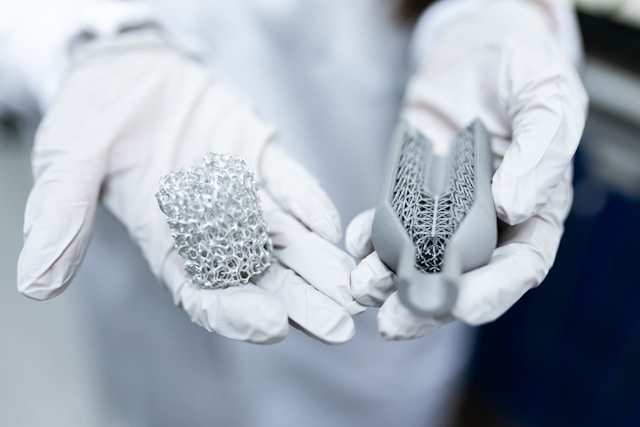
The journey toward an ideally strong, biocompatible, and aesthetic final dental restoration remains very much the forces motivating the ever-changing field of dental material science. The interdisciplinary approach embraces chemical principles, physics, biology, and engineering to engineer and improve the very materials the practicing dentist uses every day in repairing and replacing compromised or missing teeth. Established early with amalgam fillings and more recently through the developments of more intricate ceramic and composite materials, material science has lessened the arduousness of treatment and increasingly permitted minimally invasive treatments while, at the same time, providing more durable and lifelike treatment options for practitioners to offer their patients.
Had it ever been at all possible to found a science and technology of materials for dentistry, the nightmare that followed might have been averted. Dental materials are manipulated by the dentist to compensate for deficiency in dental structure and restore teeth back to function and aesthetics. The production of materials for dental use must therefore consider the very special and complex environment in which they are to be used. The wearer of dental materials or restorations will have to perform a worthy job of creating restorations in the oral cavity withstanding temperature changes, changes in pH, attacks by corrosive saliva, and, most importantly, big masticatory forces. Dental materials should be biocompatible; meaning that they should not cause any untoward reaction within the tissues on contact. The towering demands of the materials hence require testing, research, and development.
One of the biggest advances is in composite resin materials. Initially considered an aesthetic alternative for amalgam, modern composites have seen numerous developments in strength, wear resistance, and handling properties. Nanotechnology, on the other hand, is being aggressively developed to utilize nano-sized fillers that would enhance the mechanical properties of the materials and polishability to render restorations that are not only strong but also aesthetically appealing and well bonded to the natural tooth structure. Bioactive composites, which release ions such as fluoride for the prevention of secondary caries, are yet another exciting avenue of advancement.
A great revolution has also been brought about in dental ceramics by material sciences. Early porcelain was brittle and prone to fracture under stress, though it was very aesthetic. Introductions of stronger ceramic materials such as lithium disilicate and zirconia have widened the horizons of all-ceramics restorations including high-stress bearing areas such as, molars, and bridges. Zirconia is particularly remarkable for its immense strength and biocompatibility, thus it is also widely used for implant abutments and crowns. Ongoing research is being undertaken on improving translucency and shade-matching capability of these ceramics for even more lifelike results. CAD/CAM technologies have further revolutionized the use of ceramics in the precise and fast fabrication of custom restorations.
Equally important to the success of any restoration is the field of dental cements and adhesives. Material science has created bonding agents that form a strong and durable bond between the restorative material and tooth structure. Such advances have decreased microleakage and post-operative sensitivity whilst further extending the lifespan of restorations. Self-adhesive cements and universal bonding agents have made the procedure more straightforward with predictable results and less technique sensitive.
Biomaterials have also become forefronts in regenerative dentistry. Materials that promote the stimulation of the patient’s natural healing processes to regenerate lost tooth structure, bone, and periodontal tissues engage many researchers. These biomaterials are increasingly improving the success rate of implant placement and periodontal treatment and include bone graft materials, growth factors, and guided tissue regeneration membranes. Biomimetic materials that mimic the structure and properties of natural dental tissues are in the spotlight for futuristic restorative and regenerative applications.
The continuous advancements in material science are taking dental restorations far beyond the improvements in quality and increased longevity toward being more conservative treatment protocols that are beneficial to the patient. Pretreatment techniques that preserve amounts of natural tooth structure would be introduced with stronger and more reliable materials. Their focus on biocompatibility will guarantee the safety and long-term health of adjacent tissues. With on-going research, the result of more ingenious materials will be more natural dentition and off-the-shelf restorations, ultimately functioning, aesthetically pleasing, and biocompatible for each and every patient.
Email your news TIPS to Editor@Kahawatungu.com — this is our only official communication channel
