

Media Bodies Back New Journalism Code Amid Concerns Over Press Freedom

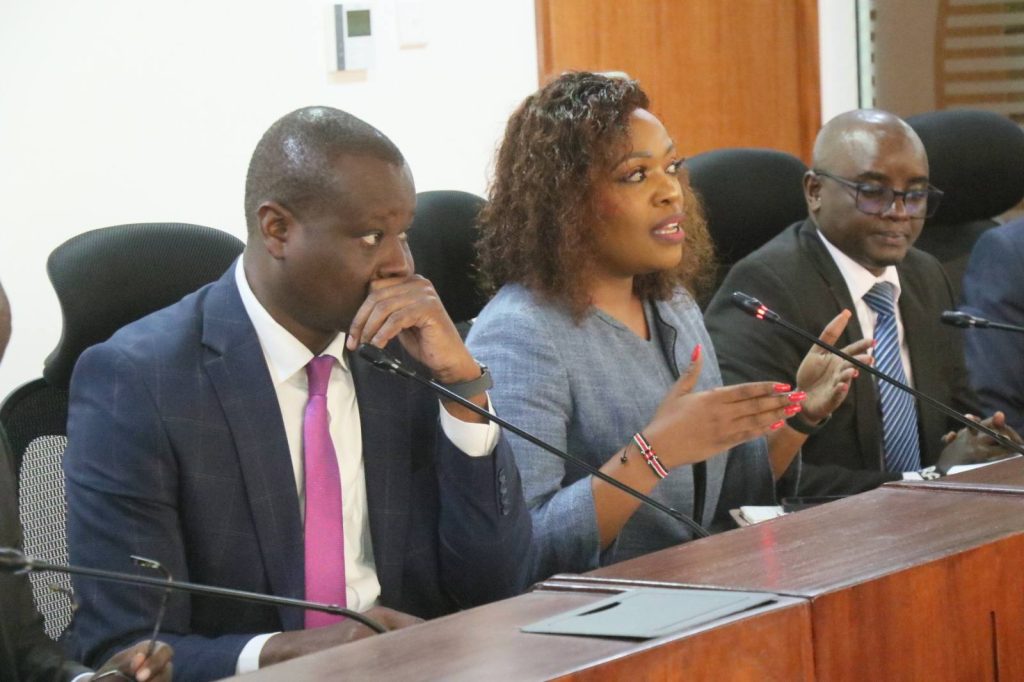
The Kenya Editors Guild (KEG) and the Kenya Union of Journalists (KUJ) have endorsed the proposed Code of Conduct for Media Practice, 2025, saying it is a timely step toward aligning Kenya’s journalism standards with emerging global trends and digital challenges.
The two organizations expressed their support while appearing before the National Assembly’s Committee on Delegated Legislation, which is reviewing the proposed regulations. The committee session was chaired by Gichugu MP Robert Gichimu.
KEG President Zubeida Kananu and KUJ Secretary General Erick Oduor told the committee that the media industry had actively participated in drafting the new code and viewed it as a necessary reform.
“We respectfully submit that the Code of Conduct for Media Practice, 2025 represents a significant and necessary advancement for the Kenyan media sector,” said Ms. Kananu, while presenting a joint memorandum.
The memorandum was jointly endorsed by other key players including the Media Owners Association, Digital Broadcasters Association, Kenya Parliamentary Journalists Association, and the Association of Media Women in Kenya.
“We therefore strongly urge the committee to ratify the Code as gazetted. Timely ratification will support its swift implementation, which is crucial for ethical journalism and robust, public interest reporting in Kenya,” she added.
Two weeks ago, Cabinet Secretary for Information, Communications, and the Digital Economy William Kabogo appeared before the same committee to defend the code. He was accompanied by Principal Secretary for Telecommunications and Broadcasting Stephen Isaboke and Media Council of Kenya (MCK) CEO David Omwoyo.
The new Code proposes stronger accountability for journalists, including penalties for misuse of Artificial Intelligence (AI), misleading headlines, and failure to clearly separate news from betting content. It also introduces a mandatory seven-second delay in live broadcasts to prevent airing of inappropriate content.
While MPs praised the effort to modernize media regulation, they raised concerns about press freedom. Committee Chair Hon. Samuel Chepkong’a (Ainabkoi) said some provisions might unfairly target individual journalists while sparing media owners.
In response, CS Kabogo said the code followed wide consultation and was in line with the Media Council Act.
“In May 2025, I enacted Legal Notice No. 88, replacing the Second Schedule to the Media Council Act with this revised Code. It aligns Kenya with international standards on digital media, ethical journalism, and child protection,” he said.
PS Isaboke added that MCK had conducted nationwide public participation, and all views gathered had been factored in. MCK CEO David Omwoyo confirmed that journalist unions and media houses had been fully involved.
The committee had summoned the media bodies to confirm whether they supported the draft, following earlier concerns raised by MPs.
“As media practitioners, you are the most affected by these regulations. If you confirm that you were fully involved in the public participation process and support the Code, then we have no objections,” said MP Gichimu.
Earlier, Fikirini Jacobs, Principal Secretary in the State Department for Youth Affairs and Creative Economy, also appeared before the committee. He presented the draft Films and Stage Plays (Film Classification) Guidelines, 2024, which aim to protect children and vulnerable members of society from inappropriate content.