


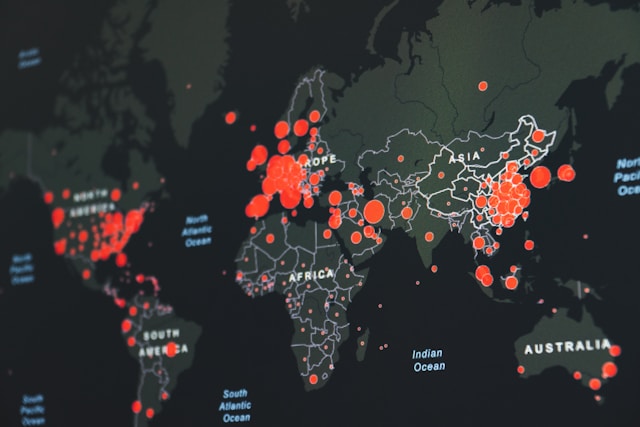
The movement of media formats, platforms and programming across borders has shaped how people interact with sports, particularly rugby. Broadcast expansion, satellite television, digital archives and streaming rights have collectively repositioned rugby from regional competition to a globally observed phenomenon. This process gathered speed in the late twentieth century, at a time when technological advances aligned with shifts in broadcasting policy and international collaboration between sporting bodies.
Rugby now occupies significant broadcast space across the southern and northern hemispheres, with tournaments, leagues and commentary circulated through a network of global and domestic media outlets.
Historical Patterns of Transmission and Broadcast Control
Rugby’s international spread began with colonial transmission, although media had little influence during the amateur era. Print reports, local radio coverage and post-match commentary carried news of matches to regional audiences, but the sport remained geographically bound. That changed in the 1980s, when broadcasters in Australia, New Zealand, the United Kingdom and South Africa began forging arrangements that increased the number of televised matches.
By the 1990s, the shift to professionalism demanded consistent visibility across national and international media schedules. The Rugby World Cup, first held in 1987, provided the perfect staging ground for this transformation. It received growing support from television networks, which invested in production, advertising and narrative packaging. Rugby’s appeal to audiences outside its traditional strongholds was strengthened by this exposure.
Satellite broadcasters used exclusive rights deals to expand their rugby coverage. These deals allowed for more regular transmission of club competitions such as the English Premiership and the Super Rugby series. They also shaped viewer habits, establishing rugby as a weekly televised product. Media migration enabled these competitions to appear across time zones, allowing viewers in Europe to watch southern hemisphere matches and vice versa.
League Structures and Viewer Followership Across Territories
Rugby league and rugby union have maintained separate media presences, although both codes benefited from growing digital reach and multichannel distribution. Viewership follows major club sides and international squads across regions. Super League, based primarily in England, has a strong domestic following and overseas reach through streaming platforms. Its matches are regularly picked up in France and parts of the Pacific. The National Rugby League, headquartered in Australia, secures regular viewership in Oceania and through syndication in the UK.
Rugby union’s presence is more layered, with the Six Nations and Rugby Championship forming the backbone of international scheduling. These tournaments receive coordinated broadcasting across partner networks. Domestic leagues such as the Top 14 in France, the United Rugby Championship and Premiership Rugby each retain local contracts while negotiating international streaming rights.
Streaming platforms have changed viewing behaviour. They give followers direct access to archived matches, tactical breakdowns, and commentary in multiple languages. Similarly, sports betting in Australia often aligns with this exposure, particularly where rugby league is concerned. Broadcasters highlight team announcements, tactical shifts, and matchday developments alongside their reporting. This allows for deeper engagement, with audiences in Asia, North America, and parts of Africa accessing club rugby more easily.
Media Portability and Rugby’s Emerging Territories
Beyond traditional viewing regions, rugby has developed new audiences through digital channels and media licensing. Partnerships between governing bodies and broadcasters in countries such as Japan, the United States and Georgia have included promotional efforts tailored to local markets. These may involve subtitled commentary, local hosts or highlight packages suited to regional time zones.
Japan’s Top League, now rebranded as League One, has grown in stature, partly due to overseas player contracts and domestic television rights that mirror models from European football. United States coverage of Major League Rugby follows similar arrangements, with streaming access and cable packages used to present matches to both local and international viewers.
These developments reflect a broader shift in media consumption, where portability and access shape sporting allegiance. Rugby’s spread follows a pattern already familiar in football and cricket, but maintains distinctive characteristics due to its structure and competition formats. Unlike globally standardised leagues, rugby accommodates multiple domestic calendars and international tournaments. Media migration enables these overlapping schedules to function across audience groups, encouraging cross-border engagement without displacing domestic rivalries.
The Endurance of Regional Identity Within Global Circulation
Rugby’s global spread through media channels has remained anchored in the identity of its domestic competitions and representative teams. While matches reach international audiences, they preserve local reference points, chants, commentary styles and tactical conventions.
The alignment between broadcasting arrangements and viewer behaviour has allowed rugby to move across platforms and territories without losing its foundational character. This has ensured that audiences can access competitions with varying rules, calendars and formats while maintaining a sense of continuity. Rugby now exists as both regional contest and global broadcast product, shaped by a structure that accommodates media migration without requiring centralisation. This balance sustains its reach and positions it for continued presence across digital and traditional formats.
Email your news TIPS to Editor@Kahawatungu.com — this is our only official communication channel
