

MPs Grill KU Hospital Over Missing Funds

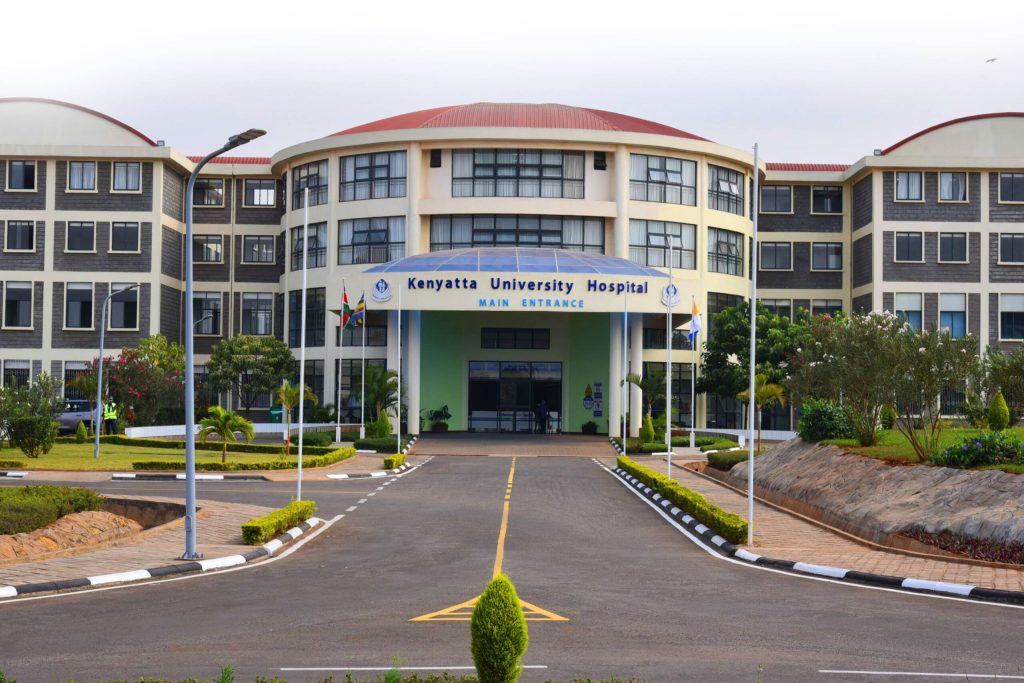
The National Assembly’s Public Investments Committee on Social Services, Administration and Agriculture has raised serious concerns about how Kenyatta University Teaching, Referral and Research Hospital (KUTRRH) is handling its finances.
The committee, chaired by Navakholo MP Emmanuel Wangwe, met with KUTRRH officials to discuss audit queries flagged by the Auditor-General for the 2022/2023 and 2023/2024 financial years.
Acting CEO Dr. Zainab Gura led the hospital team, which faced tough questions about how the hospital disposed of expired stock, handled unpaid patient bills, and overspent its budget.
One of the issues involved Sh15.1 million worth of personal protective equipment (PPEs) donated during the COVID-19 pandemic. Although the items were declared obsolete and destroyed, MPs questioned the lack of proper documentation. Dr. Gura said the items were incinerated after the pandemic because they could no longer be used.
Committee Chairperson Wangwe demanded evidence of the disposal process, including a certificate from the National Environment Management Authority (NEMA).
“This certificate is important to confirm the disposal was done correctly,” he said.
Ndhiwa MP Martin Owino raised concerns about whether there was a policy for disposing of potentially hazardous materials. While a supply chain officer from the hospital said NEMA-approved equipment was used for the incineration, MPs insisted that only an official NEMA certificate would be acceptable.
The Committee also questioned the hospital’s growing list of unpaid patient bills, which now stand at Sh1.29 billion. Of this, Sh123.5 million is owed by individual patients, and Sh61.6 million has been declared difficult to recover.
Dr. Gura explained that some patients left the hospital without paying in full, and the hospital sometimes accepts property documents such as title deeds to allow patients to leave and free up hospital beds.
She added that the hospital now follows a clear procedure for managing debts, including early checks on a patient’s ability to pay during admission.
Another major issue was the hospital’s budget over-expenditure.
The hospital spent Sh1.29 billion more than its approved Sh6.13 billion budget, mostly on staff salaries and supplies. However, the Committee said there was no proof that the extra spending had been approved.
Dr. Gura admitted the overspending but blamed it on a rising number of patients and extra costs such as mandatory government deductions.
“We had asked for Sh7.28 billion but only received Sh6.13 billion,” she said.
“As a public hospital, we can’t turn patients away. But we need more money, especially to pay our staff.”
She added that for the current financial year, the hospital already has a funding shortfall of Sh1.5 billion for staff salaries.
Committee Vice-Chair Caleb Amisi encouraged the hospital to improve the quality of its services, saying a well-run health system could make Kenya a top destination for medical tourism.
“If we get healthcare right, we can stop sending our people abroad for treatment and even attract foreign patients,” he said.
Saboti MP Jackson Kosgei agreed, saying many Kenyans suffer because public hospitals lack even basic services, forcing them to seek help in foreign countries.