

MPs Push for Expansion of Digital Hubs to Create Jobs for Kenyan Youth

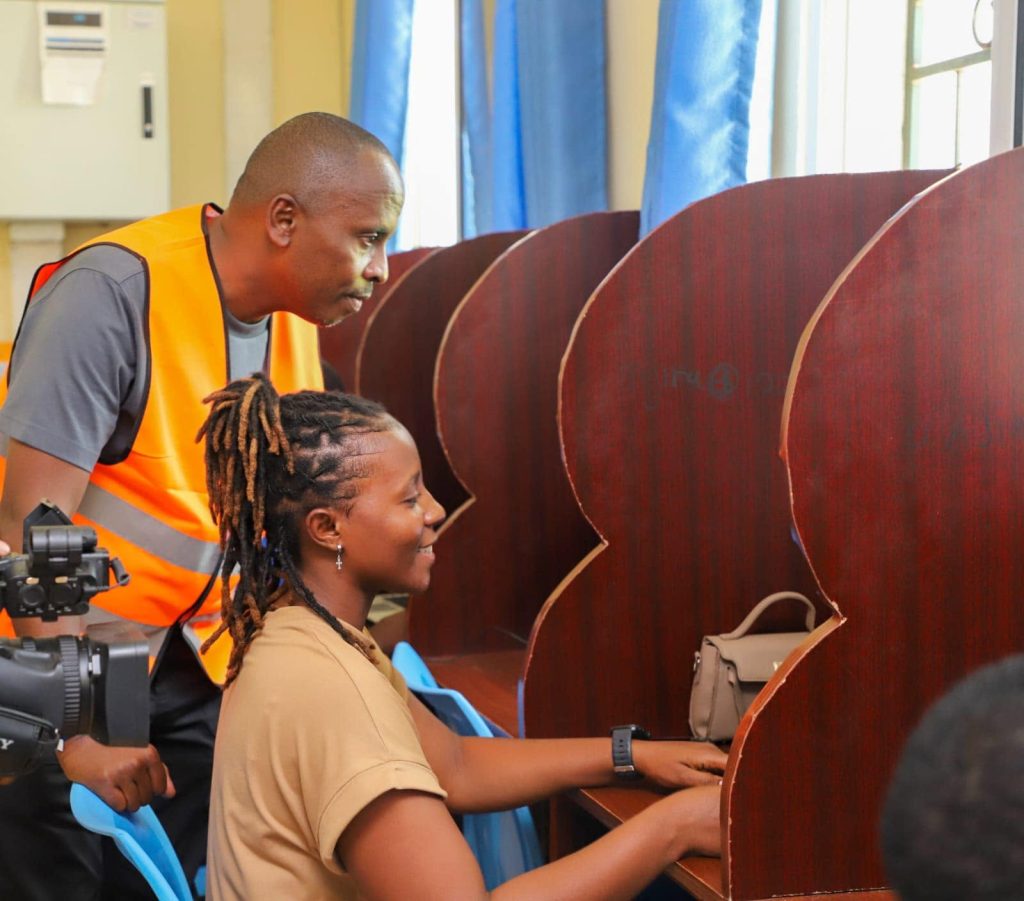
The National Assembly Departmental Committee on Communication, Information and Innovation has called for the timely completion and expansion of digital hubs across the country to create more employment, innovation and entrepreneurship opportunities for young people.
The Committee, chaired by Dagoretti South MP John Kiarie, made the call on Saturday during an inspection tour of digital hubs in Kilifi and Likoni constituencies.
The MPs assessed the progress of the facilities and explored how they can be transformed into centres for digital skills development, online employment and entrepreneurship.
In Kilifi, the Committee said the digital hub would give young people access to marketable skills and online jobs while enabling them to run businesses without relocating to major cities.
Kiarie said the facilities should help young Kenyans secure employment from companies and clients both locally and internationally.
“We want a young person in Kilifi to be able to sit here and work for a company in Nairobi, the rest of Africa or anywhere else in the world,” Kiarie said.
The facility is also expected to offer training in emerging technologies, entrepreneurship and innovation.
Kilifi North MP Owen Baya, who hosted the Committee, said construction of the facility had made significant progress since the contractor began work in December last year.
He said the remaining works were expected to be completed within the next few months, allowing the facility to begin serving young people in the area.
Kiarie said the government should move beyond establishing digital hubs as basic computer training centres.
He said the facilities should become productive spaces where young people can acquire skills, secure jobs, establish businesses and develop technology solutions.
“We do not want our young people to remain consumers of technology. We want them to become developers, innovators and manufacturers of digital solutions,” Kiarie said.
The Committee also called for greater protection of innovations developed by young people.
Members raised concerns that promising ideas could be exploited when innovators lack access to intellectual property protection.
Officials said managers of digital hubs should identify promising innovations and help innovators secure appropriate protection, including patents where necessary, before their ideas are shared with third parties.
The Committee said such measures would help protect young entrepreneurs from individuals or companies seeking to exploit their ideas and skills.
The Committee further called for digital training programmes to reflect the changing labour market, particularly with the rapid growth of Artificial Intelligence (AI).
Members said young people should be equipped with skills that can translate into actual employment and business opportunities.
The Committee also proposed a standardised approach to digital training across the country while ensuring trainers have the necessary skills and tools to prepare learners for emerging technologies.
“The training we provide must translate into real jobs and businesses. It is not enough to train young people if the skills they acquire cannot help them earn a living,” said Committee Vice Chair and Bomachoge Chache MP Alfah Miruka.
Baya said he was impressed that the Kilifi hub had expanded its programmes beyond basic computer skills.
He said the facility had introduced French, artificial intelligence and entrepreneurship programmes targeting young people and small business owners.
Miruka proposed that future digital hubs should be designed around the specific needs of communities instead of adopting a uniform model across the country.
He said the centres could incorporate business incubation facilities, cafés, gyms, workspaces and internet-enabled computer centres.
The proposed model would create one-stop facilities where students, entrepreneurs and other members of the community can work, learn and access support.
Mbooni MP Erastus Kivasu said incubation centres should also help entrepreneurs formalise their businesses and access financing.
“This should be more than a computer lab. It should be a place where an idea can be developed into a business, registered and connected to financing,” Kivasu said.
The centres could assist entrepreneurs with business registration, preparation of documentation and connections to banks and other financial institutions.
Kiarie said the government had allocated funds to establish numerous digital centres and planned to expand the programme.
He said the Committee’s long-term objective was to ensure every constituency has access to digital infrastructure.
According to Kiarie, expanding the facilities would bring online employment, digital skills and innovation closer to young people in rural and underserved areas.
The Committee also called for greater decentralisation of government ICT infrastructure and expertise.
Members said counties should be equipped to host government ICT services, which would improve access to public services while creating opportunities for ICT professionals outside Nairobi.
The MPs cited Garissa and other regions as areas that could host government ICT infrastructure and services.
Keiyo South MP Dr Gideon Kimaiyo called for reforms in government ICT procurement.
He raised concerns over the current system in which ministries and government departments independently procure software, applications and other ICT equipment.
Kimaiyo said the approach could lead to duplication and unnecessary expenditure.
He proposed centralised procurement of ICT systems and equipment before they are deployed to digital hubs and other government facilities across the country.
The proposed approach, he said, could help the government reduce costs and improve efficiency in the acquisition and deployment of technology.
The inspection of the Kilifi and Likoni digital hubs is part of efforts by the Committee to reposition the facilities as centres for employment, skills development, entrepreneurship and innovation.
Kiarie said Kenya’s digital transformation should benefit young people beyond major urban centres.
He said digital opportunities should be accessible to people living in villages and underserved communities.
“Digital opportunity should not be a privilege of people living in Nairobi and other major cities. It must reach the grassroots,” Kiarie said.

