

MPs Question Excess Spending at KALRO

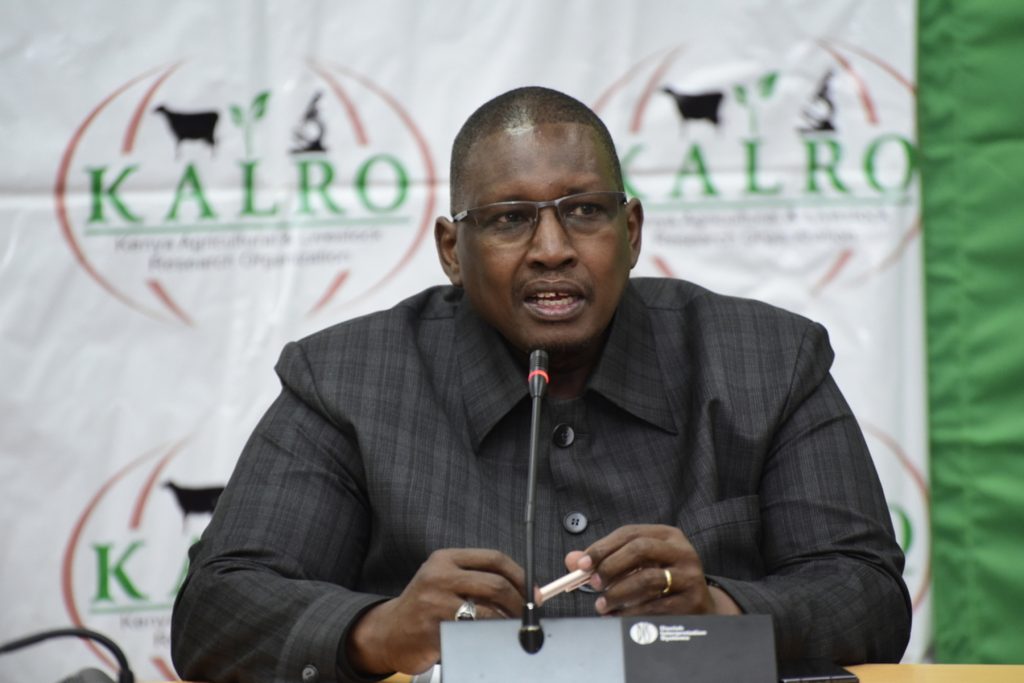
Members of Parliament from the National Assembly Committee on Agriculture and Livestock have raised concerns over surplus spending at the Kenya Agricultural and Livestock Research Organization (KALRO), questioning how the institution exceeded its approved budget without parliamentary authorization.
The lawmakers, led by Committee Vice-Chairperson and Konoin MP Brighton Yegon, made the remarks during an inspection visit to KALRO and the National Biosafety Authority (NBA) on Thursday, October 9, 2025. The visit was meant to assess the 2024/25 financial year budget performance, expenditure breakdown, and output achievements.
During KALRO’s presentation, MPs noted discrepancies between the approved budget and actual expenditure. Soy MP David Kiplagat questioned the legitimacy of the additional spending, saying, “The approved budget and the associated spending are not in tandem. Yes, you could raise more in your Appropriations-in-Aid (AiA), but you must spend as budgeted, appropriated, and approved by Parliament. So, who approved the excess spending for you?”
KALRO’s Director of Finance, David Muriithi, told the Committee that their budget was approved by the National Treasury. However, MPs disputed this explanation, insisting that only Parliament has the authority to approve government spending.
Yegon pointed out that KALRO’s approved budget was Sh6.509 billion, yet the organization spent Sh6.719 billion — an excess of over Sh200 million. “Your approved budget was Sh6.509 billion but you spent Sh6.719 billion, which is beyond what was approved,” he stated.
At the National Biosafety Authority, Acting CEO Nehemiah Ngetich told the legislators that the agency faced numerous challenges, including an increased number of litigations and court injunctions on Genetically Modified Organism (GMO) releases. He added that the proposed merger between NBA and the Kenya Plant Health Inspectorate Service (KEPHIS) had also affected operations.
“We also faced underfunding and delayed disbursement of exchequer funds,” said Ngetich. “We request the Committee’s support in securing adequate allocations and in fast-tracking the enactment of key biosafety legislation.”
The Committee assured both institutions that their concerns would be reviewed, but emphasized the need for strict financial accountability and adherence to parliamentary approvals in the management of public funds.