

MPs raise alarm over slow Sh-funded KOSAP project

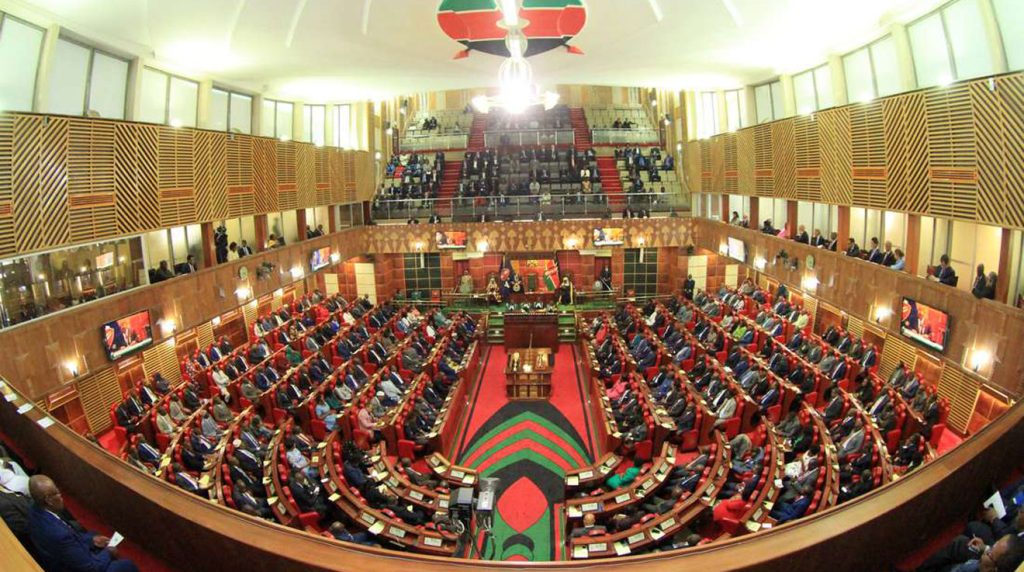
The National Assembly’s Departmental Committee on Energy has raised concerns over the slow implementation of the Kenya Off-Grid Solar Access Project (KOSAP), warning that the country risks failing to realise value for billions of shillings borrowed to finance the programme.
During a meeting with officials from the State Department for Energy and Kenya Power (KPLC), Members of Parliament questioned the project’s low completion rate and announced plans to conduct site visits to assess progress on the ground.
KOSAP is a World Bank-funded initiative designed to expand electricity access in 14 underserved counties through mini-grids and standalone solar systems.
The project, which began in 2017, was initially scheduled for completion in June 2023 but has since received two deadline extensions, with the current completion date set for September 2026.
Appearing before the committee, Principal Secretary for Energy Alex Wachira revealed that the ministry has formally requested a further 12-month extension, which would push the completion deadline to September 2027.
He attributed the delays to disruptions caused by the COVID-19 pandemic, lengthy land acquisition processes and the inability of some contractors to mobilise resources and maintain adequate cash flow.
According to the PS, physical implementation of the mini-grid component currently stands at 43 per cent, while financial absorption is at just 24 per cent.
Committee Chairperson David Gikaria expressed concern over the continued occupation of fiscal space by stalled projects, saying delays undermine the value of public borrowing.
He warned that the country risks accumulating debt without delivering the intended benefits to citizens if implementation challenges are not addressed.
Committee members also questioned the due diligence conducted before awarding contracts to firms that have since failed to meet their obligations.
Embakasi South MP Julius Mawathe said there appeared to be a disconnect between progress reports presented to Parliament and the actual situation in constituencies, calling for urgent verification through physical inspections.
Lawmakers singled out Chinese contractor Longi Solar and the G-Tech-Banan joint venture after some of their project lots reportedly recorded completion rates of as low as zero per cent.
In response, Wachira said the government had written to the Ministry of Foreign Affairs to facilitate engagement with the Chinese government over the performance of the contractor handling Lots 5 and 7.
He explained that the ministry had opted to revive underperforming contractors instead of terminating their contracts, arguing that cancellation would further delay project completion through a fresh procurement process.
The committee also questioned Kenya Power over delays in replacing faulty transformers across the country.
Although KPLC reported an average turnaround time of 5.8 days for transformer replacement, legislators disputed the figures, saying some communities had experienced prolonged power outages lasting months or even years.
One member cited a transformer in his constituency that had remained unrepaired since he was elected, describing the utility’s reported response times as inconsistent with the reality on the ground.
The Ministry of Energy further warned that recent budget cuts could stall ongoing electricity projects if funding is not restored.
Wachira urged the committee to support the allocation of an additional Sh18 billion to clear infrastructure backlogs, pay pending invoices to contractors and reduce the risk of future electricity disruptions.
He also proposed reforms to the procurement process, recommending that Kenya Power adopt a model similar to that used by the Rural Electrification and Renewable Energy Corporation (REREC), where the utility procures materials directly before engaging local contractors for installation.
According to the PS, the approach would reduce reliance on large engineering, procurement and construction (EPC) contractors whose poor performance has contributed to project delays.
The committee is expected to undertake inspection visits to nearly completed mini-grid sites in Marsabit and Mandera counties in the coming weeks as part of its oversight role.

