

MPs Raise Concerns Over Proposed Stablecoin Rules, Warn Against Stifling Innovation

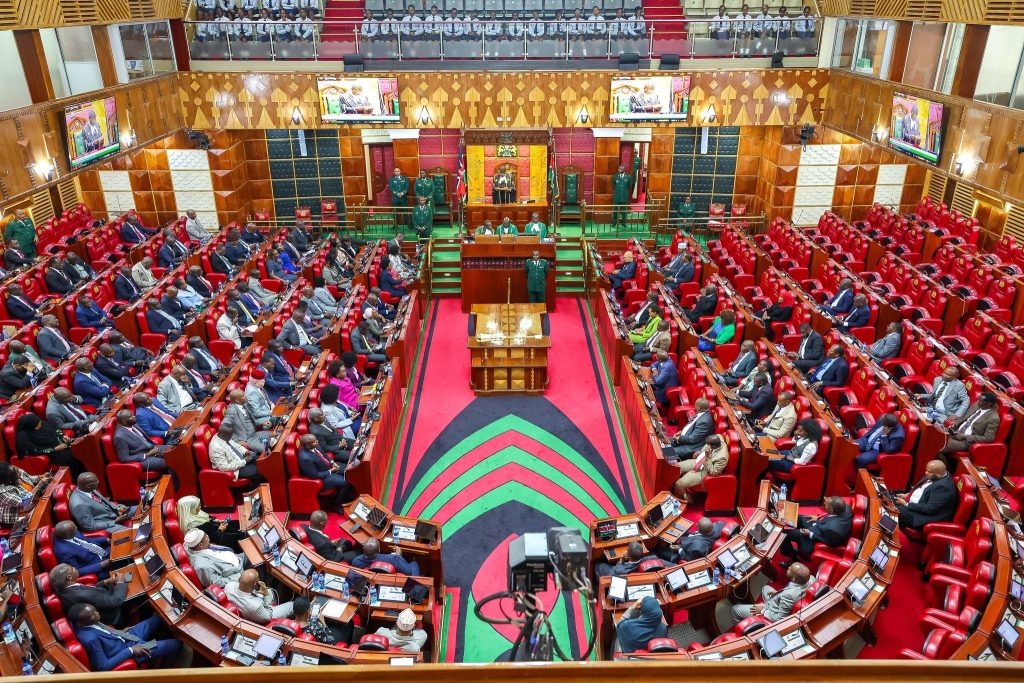
The National Assembly’s Committee on Delegated Legislation has raised concerns that proposed regulations governing stablecoins could hinder innovation, weaken Kenya’s competitiveness as a regional financial technology hub and drive investment to rival jurisdictions.
During a consultative meeting with representatives from the virtual assets industry, the committee questioned several provisions contained in the National Treasury’s draft regulations, arguing that some proposals appear inconsistent with global industry standards and the technical realities of digital assets.
Led by Committee Chairperson Samuel Chepkonga, lawmakers warned that poorly designed regulations could undermine Kenya’s ambition of becoming a leading digital finance centre in Africa.
Speaking during the session, Chepkonga cautioned against adopting regulatory frameworks that fail to align with international best practices.
“If we make laws that are in one hole here and have no relation with the global practice, then we will be a laughing stock to the entire world,” he said.
A key issue raised by the committee was a proposal requiring stablecoin issuers to maintain 30 percent of their reserves in local banks. Legislators questioned whether the requirement would offer meaningful protection to investors, while expressing concern that it could amount to regulatory duplication and discourage foreign issuers from operating in Kenya.
Mathare MP Anthony Oluoch sought clarification on the rationale behind the reserve requirement, particularly for international stablecoin issuers.
“What’s the purpose of the reserve? Is it not to protect the person within the Kenyan jurisdiction against a foreigner?” he asked, questioning how the provision would safeguard local investors if a foreign stablecoin issuer faced financial difficulties.
The committee also scrutinised provisions requiring stablecoins to be redeemable “at any time,” arguing that the phrase is too broad and could create uncertainty for consumers.
Kathiani MP Robert Mbui warned that the wording could be interpreted in ways that disadvantage investors.
“‘At any time’ means when? Even next year is any time. If I refuse to redeem, I can tell you, ‘Redeem it next year,’ and next year still falls under ‘any time’,” he observed.
Members agreed that the regulations should instead specify clear redemption timelines and establish robust consumer protection measures to prevent abuse and enhance confidence in the emerging digital asset sector.
Vice Chairperson Robert Githinji called for further engagement with the National Treasury, noting that the ministry may have technical justifications for some of the contested provisions.
“As we engage industry players, we also need to call back Treasury to explain because they might have a more professional understanding in this area,” he said.
Recognising the highly technical nature of virtual assets and stablecoins, lawmakers also proposed capacity-building initiatives, including sensitisation programmes and benchmarking visits to countries with advanced digital asset regulatory frameworks.
Closing the meeting, Chepkonga encouraged industry stakeholders to actively participate in shaping the legislation by submitting detailed proposals to Parliament.
“I’m happy always to know those people who are trying to push the boundary of the digital world. You have the responsibility of making the right proposal to us,” he said.

