

MPs Raises Concern Over Motives Behind Cybercrime Law Amendments

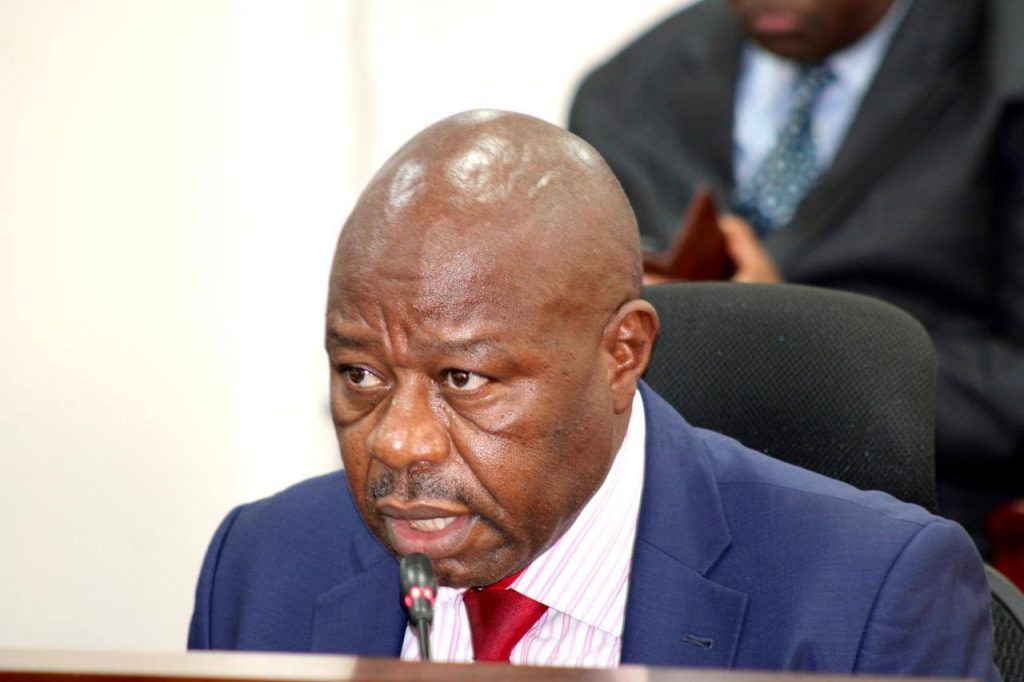
The National Assembly’s Committee on Communication, Information, and Innovation (CII), chaired by MP John Kiarie, has raised concerns over proposed changes to the Computer Misuse and Cybercrimes (Amendment) Bill, 2024.
The committee held discussions with key stakeholders, including the Ministry of ICT and the Kenya Alliance of Residents Associations (KARA), to assess the implications of the amendments put forward by Hon. Aden Mohammed.
The Ministry of ICT, represented by Principal Secretary Edward Kisiang’ani, recommended a complete review of the 2018 Computer Misuse and Cybercrimes Act.
The ministry proposed that the Ministry of Interior and National Administration (MINA) should handle cybercrime prosecution, while the Ministry of ICT and Digital Economy (MICDE) should be responsible for cybersecurity policies. PS Kisiang’ani said this separation would clarify roles and enhance coordination in tackling digital threats.
However, MP Kiarie questioned whether the amendments were politically motivated. He asked if the bill was being introduced in response to growing online criticism of the government.
“Is this a reaction to negative comments on social media? Will media houses be shut down for being critical of the government?” he asked.
PS Kisiang’ani denied that the amendments were meant to suppress free speech, insisting they were aimed at improving national cybersecurity.
“This is a private member’s bill, not a government proposal. The role of the government is to listen to citizens, not silence them. If you ignore the people, you will find yourself in trouble,” he stated.
The committee also reviewed recommendations from the Sector Working Group, which called for the development of a National Cybersecurity Policy to address emerging threats. Among the proposals was the establishment of a National Cyber Security Agency (NCSA) to act as Kenya’s main cybersecurity authority, alongside a Cyber Police Unit to investigate and prosecute online crimes.
KARA’s CEO, Henry Ochieng, emphasized the need to strike a balance between digital freedom and online safety.
“Cyberbullying is a serious problem that can even lead to suicide. How do we protect freedom of expression while ensuring people are safe? There must be a clear distinction between civil and criminal liability. Strengthening defamation laws could help mitigate cyberbullying,” he said.
KARA further suggested that websites violating digital rights should not only be taken down but also have their unlawful content removed under court orders.