

MPs urged to review compensation for victims of human-wildlife conflict

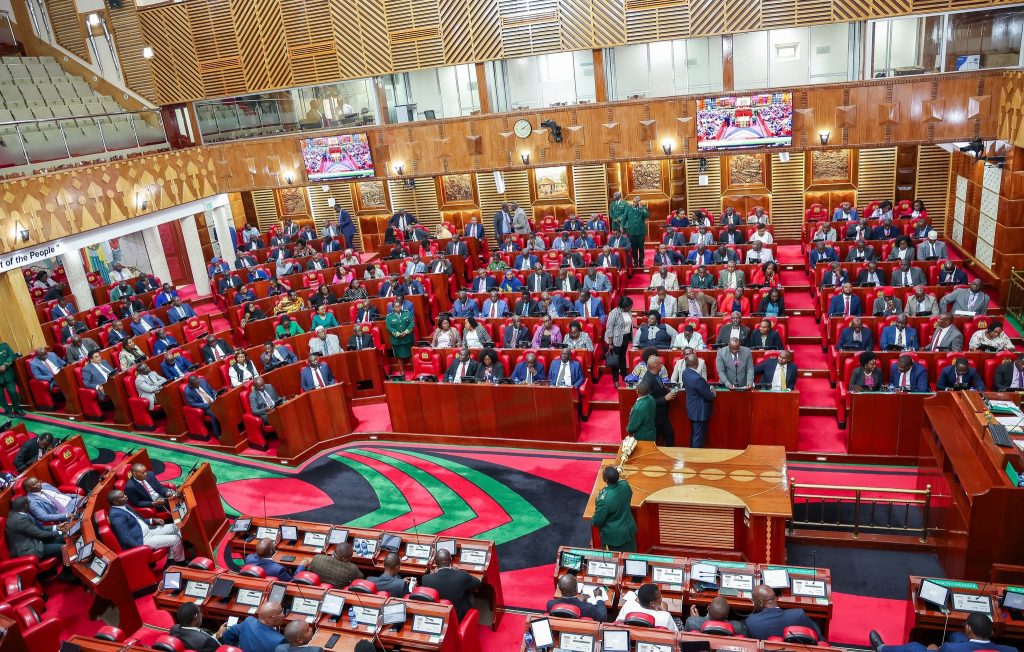
The National Assembly Public Petitions Committee has been urged to review the compensation framework for victims of human-wildlife conflict to ensure affected communities receive timely and adequate compensation for their losses.
The petitioners, who are residents of Kajiado County, appeared before the Committee chaired by Runyenjes MP Muchangi Karemba, where they called for reforms to the existing compensation system.
They said communities living near wildlife habitats, migration corridors and dispersal areas continue to bear a disproportionate burden of human-wildlife conflict despite their longstanding coexistence with wildlife.
According to the petitioners, residents have suffered loss of life and injuries, destruction of crops and livestock, damage to homes and other property, psychological trauma and loss of livelihoods as a result of wildlife attacks.
Kajiado West MP George Sunkuiya, who represented the petitioners, called for a review of the existing compensation rates to ensure they reflect the current economic value of livestock, crops, property and other losses suffered by victims.
“The existing compensation mechanism remains ineffective, underfunded, bureaucratic and characterised by prolonged delays, while the current compensation rates do not reflect the true economic value of the losses suffered by the affected communities,” Sunkuiya said.
In the petition to the National Assembly, Kenny Matampash from Iloodokilani Ward in Kajiado County called for amendments to the Wildlife Conservation and Management Act, 2013.
He proposed an increase in compensation rates, introduction of strict timelines for processing claims and decentralisation of compensation assessment and approval to the county level.
The petitioners argued that improving the compensation framework would help address the economic and social challenges faced by communities living alongside wildlife.
They said timely compensation would also strengthen relations between local communities and wildlife conservation agencies while ensuring residents do not bear the full cost of conserving wildlife.
During the engagement, committee members also questioned whether wildlife corridors could be fenced to restrict animal movement and reduce encounters between wildlife and communities.
Sunkuiya, however, cautioned that fencing extensive wildlife corridors would be difficult because of the interconnected nature of the ecosystem and the movement of animals across national borders and protected areas.
“The issue of fencing is very hard, especially in that area. We are between Maasai Mara, Serengeti in Tanzania, Tsavo in Mombasa and Amboseli on the other side. So, to fence it is almost impossible. The most important thing is to think of timely compensation mechanisms to those affected,” he said.

