

Museveni Wins Seventh Term as Uganda President with 71.6% of the Vote

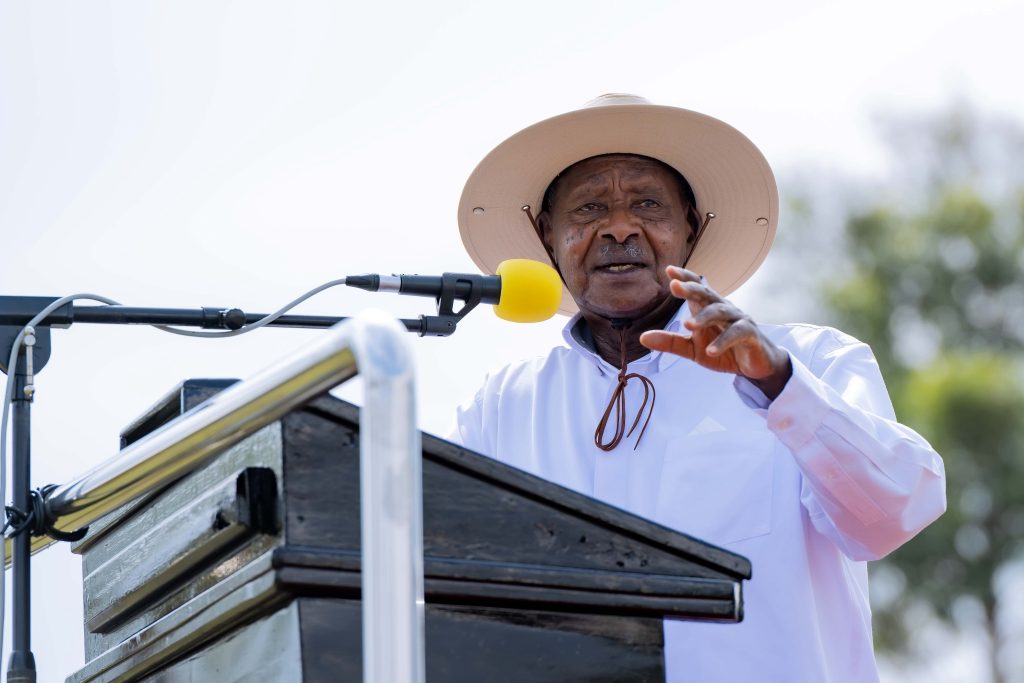
President Yoweri Museveni has been declared the winner of Uganda’s general election, extending his rule to about 40 years after securing another five-year term in office, according to the country’s Electoral Commission.
Museveni has won the 7th term with 7.9 million votes (71.6%), the electoral commission says, a wide margin ahead of his main challenger, opposition leader Bobi Wine.
However, Wine rejected the outcome, describing the results as “fake” and accused the authorities of ballot stuffing. He has called on Ugandans to hold peaceful protests.
Museveni, 81, first came to power in 1986 as a rebel leader and has since won seven elections. His long stay in office has made him one of Africa’s longest-serving leaders.
The election was held amid tension and reports of violence. Bobi Wine, a 43-year-old former pop star turned politician, said at least 21 people were killed during the election period, while the authorities have confirmed seven deaths.
Internet access across Uganda has been cut since Tuesday, making it difficult to verify information. The government says the shutdown is meant to prevent misinformation, fraud and incitement to violence, but the UN human rights office has described the move as “deeply worrying”. Wine has demanded that the internet be restored.
After the vote, Wine said security forces raided his home in the Magere area of Kampala and placed his family under house arrest. His party earlier claimed he had been seized by a helicopter, but Wine later said he managed to escape during the night.
“I want to confirm that I managed to escape from them. Currently, I am not at home, although my wife and other family members remain under house arrest,” Wine said in a statement.
Police spokesman Kituuma Rusoke denied that Wine had been abducted, saying his movements were restricted for security reasons. “We have controlled access to areas which are security hotspots. All our actions are intended to prevent anybody from creating violence or destabilising our security,” he said.
The campaign and voting day were marked by delays and technical problems, with ballot boxes arriving late and voter verification machines failing in some polling stations. Some observers have linked these problems to the nationwide internet blackout.
Despite the controversy, election chief Simon Byabakama said the vote counting was not affected by the internet shutdown and insisted the final results were credible.

