

Nairobi Hospital begins staff exposure monitoring after Ebola confirmation

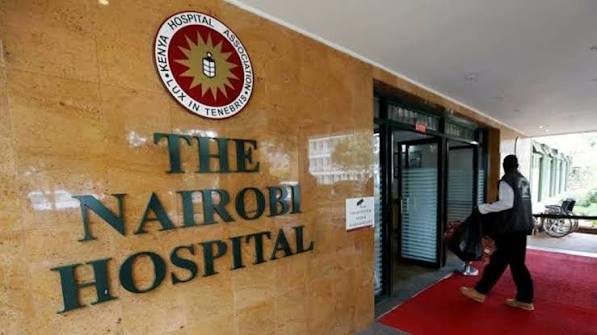
Nairobi Hospital
The Nairobi Hospital confirmed that a patient recently treated at the facility has tested positive for Ebola Virus Disease (EVD), following the Ministry of Health’s announcement that the case is Kenya’s first confirmed imported Ebola infection.
In a communication to staff and Associate Specialist Anaesthetists (ASA) doctors, hospital Chief Executive Officer Dr Felix Osano said the facility immediately activated enhanced infection prevention and control measures after Ebola was suspected.
The hospital said the patient was isolated and access to the designated clinical area restricted, while healthcare workers were required to observe enhanced personal protective equipment (PPE) protocols, including controlled procedures for putting on and removing protective gear.
The facility has also identified and documented healthcare workers and other people who had direct contact with the patient and commenced detailed contact tracing and exposure-risk assessments.
Particular attention is being paid to staff who may have interacted with the patient before Ebola was suspected.
The hospital said it was reviewing the patient’s movements through the facility from the time of presentation and has strengthened the handling of laboratory specimens, clinical waste and linen.
Relevant clinical areas and equipment have also undergone enhanced cleaning and decontamination.
The hospital’s Infection Prevention and Control and Occupational Health teams, working with the Ministry of Health, are conducting a systematic assessment of potentially exposed staff.
However, the hospital sought to reassure employees that merely being in the hospital, working in the same department or being in the general vicinity of the patient does not automatically constitute exposure to Ebola.
“Ebola is transmitted primarily through direct contact with blood or other body fluids of an infected symptomatic person or contaminated materials,” the hospital said.
It said the level of risk depends on the nature of contact with the patient, procedures performed and whether appropriate PPE was used.
Staff identified as having had relevant contact will be individually contacted, risk-stratified and monitored in accordance with Ministry of Health protocols.
The hospital urged any employee who may have had unprotected contact with the patient’s blood or body fluids, suffered a PPE breach or sharps injury, or experienced another significant exposure to immediately report to the Infection Prevention and Control or Occupational Health teams.
The hospital has also reminded staff to maintain strict hand hygiene, use PPE correctly, observe injection and sharps safety and ensure proper environmental cleaning and waste and linen management.
Frontline staff have additionally been directed to obtain and document travel and epidemiological histories from patients presenting with fever or unexplained systemic illness.
Patients with compatible symptoms and relevant epidemiological risk factors should be isolated immediately instead of being allowed to move routinely through the hospital.
The hospital said its emergency-response, infection prevention and occupational health structures had been activated and that it was working closely with the Ministry of Health and other public-health authorities.
Staff assessed as having no significant exposure have been advised to continue with their normal duties while observing infection prevention measures.
Those identified as contacts will receive individual guidance on monitoring and any additional measures required.
The hospital cautioned staff against independently declaring themselves contacts or beginning unnecessary isolation without assessment by the designated hospital or public-health teams.
It also issued a strict warning against sharing photographs, laboratory reports, clinical records or other identifiable information about the patient on WhatsApp, social media or unofficial communication channels.
Staff were further urged to avoid speculation and the circulation of unverified information about possible additional cases or exposures.
“The hospital remains on heightened Ebola alert,” Osano said.
Screening and early recognition measures have been reinforced at the Accident and Emergency Department and other points of entry, with increased emphasis on travel history, epidemiological risk assessment, early recognition, immediate isolation, appropriate PPE and prompt notification of suspected cases.
The hospital said it would continue coordinating with the Ministry of Health and other relevant agencies and provide further updates as verified information becomes available.
Osano thanked staff involved in the patient’s care and the ongoing response, particularly frontline clinical, nursing, laboratory, infection prevention, housekeeping, security and support teams.
“Our priority remains the safety of our staff, patients and the wider community,” he said, urging staff to remain vigilant and follow established protocols.