

National Assembly Approves Public Participation Bill, 2025

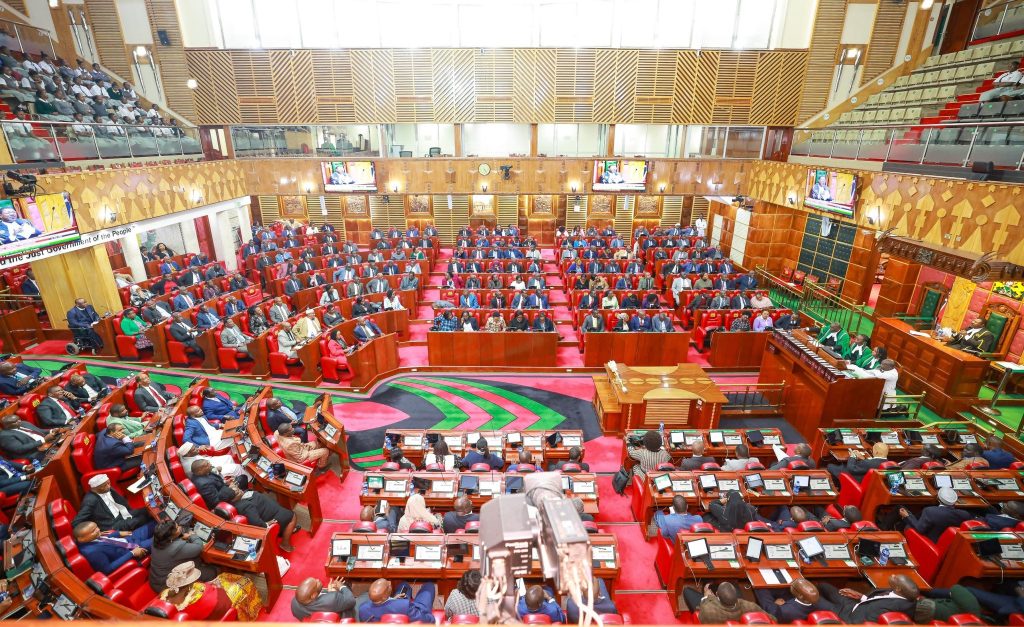
The National Assembly has approved the Public Participation Bill, 2025, paving the way for the enactment of a law aimed at strengthening citizen involvement in public governance and decision-making.
The House approved the Bill on Wednesday, August 12, 2026, following consideration of a report by the Departmental Committee on Justice and Legal Affairs (JLAC).
The Bill, co-sponsored by Rarieda MP Otiende Amollo and Ainabkoi MP Samuel Chepkong’a, seeks to establish a clear legal framework for public participation across government institutions.
It seeks to guide how national and county government entities, Parliament, county assemblies, constitutional commissions and other public bodies engage citizens in decisions that affect them.
The proposed law comes after years of debate over the lack of a uniform framework governing public participation and the extent to which citizens should be involved in public decision-making.
The Bill proposes principles and general guidelines for conducting public participation and identifies public authorities responsible for organising and facilitating the process.
Before presenting its report to the House, JLAC conducted extensive public participation, including consultations with stakeholders and nationwide public hearings.
Kenyans were given an opportunity to submit their views and make recommendations on the proposed legislation.
JLAC Chairperson and Tharaka MP Gitonga Murugara said the Bill would help streamline public participation across government institutions and ensure citizens have a meaningful role in decision-making.
“To avoid over legislation, we as a House have given the mandate on public participation to the various government institutions; and it is now up to them to study this Bill once it is assented to and to come up with the specific regulations as guided,” Murugara said.
During debate, MPs emphasised the need for public participation to go beyond simply meeting procedural and legal requirements.
They called for government institutions to ensure that citizens have adequate opportunities to understand proposals, submit their views and receive feedback on how their contributions have been considered.
Lawmakers also stressed the importance of making documents relating to public participation easily accessible to citizens.
They called for information to be provided in languages that Kenyans can understand and urged institutions to enhance the use of sign language to ensure persons with disabilities are not excluded from decision-making processes.

