

NCIC Calls For Intergenerational Dialogue Following Deadly Protests

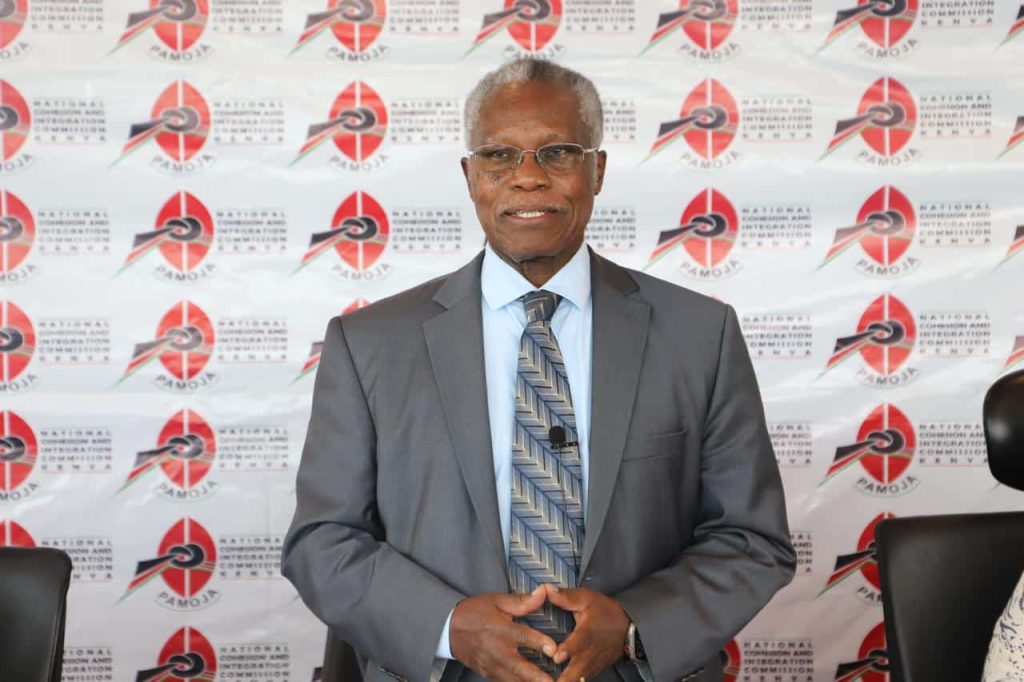
The outgoing chair, Rev. Dr. Samuel Kobia, completed his six-year term in November 2025.
The National Cohesion and Integration Commission (NCIC) has called for open dialogue between generations following recent nationwide protests that left several people dead and many others injured.
In a statement issued on Tuesday, July 8, 2025, NCIC Chairperson Dr. Samuel Kobia condemned the loss of lives, destruction of property, and rising cases of violence witnessed during the demonstrations held on June 25 and July 7.
Kobia said the recent unrest reflects deep frustrations among Kenyan youth, especially Generation Z, who feel ignored, excluded, and disillusioned.
He attributed the youth’s anger to high unemployment, economic hardship, limited opportunities, mistrust in leadership, and a feeling that their voices are not being heard.
“The unrest being experienced is a loud and painful signal of the growing discontent among our youth. These are not isolated sentiments—they are widespread and valid, and they must be urgently acknowledged and addressed,” he said.
Recognizing this growing generational disconnect, NCIC launched the “Transgenerational Conversations: The Quest for Better Governance and Accountability” on September 18, 2024. The initiative brought together representatives from four generations—the Silent Generation, Baby Boomers, Generation X, and Gen Z.
Among the notable participants were Mau Mau freedom fighter Hon. Gitu wa Kahengeri, former Chief Justice Dr. Willy Mutunga, human rights defender Njeri Kabeberi, and a strong representation of Millennials and Gen Z. The event marked a significant step towards promoting national dialogue and bridging generational divides.
Kobia said Kenya’s history shows that every generation, particularly those in their twenties, has risen to challenge injustice and demand change. He urged the older generation to mentor the youth and use their experiences to help guide the country forward.
“As a guardian of national conscience and cohesion, we have intentionally engaged key stakeholders—especially Gen Z—to incorporate their perspectives in the Transgenerational Framework,” he said.
He noted that NCIC has partnered with institutions such as the Centre for Multiparty Democracy (CMD) to roll out this initiative through platforms like the People’s Dialogue Forum, which is already active in several counties, including Nairobi.
Kobia called on all stakeholders—including government bodies, county governments, civil society, faith-based organizations, academic institutions, the private sector, and the media—to join the nationwide Transgenerational Conversation.
“Together, we can co-create a future anchored in peace, justice, inclusion, and equal opportunity for all,” he said.
He reminded Kenyans of the vision of the country’s founding fathers, inspired by Pan-Africanism, which focused on political, industrial, and spiritual liberation. While political freedom has been achieved, he noted that the fight for economic and spiritual freedom is still ongoing.
“There is a growing and resounding call to realize true economic freedom, not through conflict or division, but through peaceful, constructive, and inclusive approaches,” Kobia said.
He added that platforms like the Transgenerational Conversations offer a vital space for reflection, honest discussion, and united action to shape a better future.
“The Commission believes that every generation has a role to play in shaping Kenya’s future. Young people bring energy, innovation, and vision. Older generations bring experience and wisdom. Only through genuine intergenerational dialogue can we rebuild trust, restore hope, and develop lasting solutions to the challenges we face,” he said.
Kobia urged leaders from all sectors—political, religious, and community—to avoid inciting or manipulating young people for personal or political gain. Instead, he called on them to mentor and empower the youth to become active nation builders.
“It is time to turn protests into platforms for progress and frustrations into fuel for reform. Kenya’s healing will not come through confrontation but through conversations that lead to real change. Let us listen to each other, learn from one another, and move forward as one people.”