

NECA Condemns ‘Illegal’ Relocation of Somali Giraffes from Wajir to Nanyuki

NECA Condemns ‘Illegal’ Relocation of Somali Giraffes from Wajir to Nanyuki
The North Eastern Wildlife Conservancies Association (NECA) has sharply condemned what it terms the “unlawful and unilateral” translocation of two Somali giraffes from Wajir County to a private sanctuary in Nanyuki by the Kenya Wildlife Service (KWS).
In a strongly worded statement released on Wednesday, NECA accused KWS of violating both the law and established conservation procedures by removing the animals from their natural habitat in North Eastern Kenya without public consultation or technical justification.
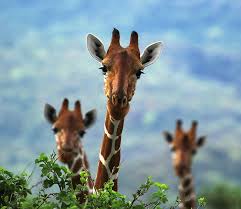
According to NECA, the two giraffes—orphans whose mothers were killed by poachers—had been rescued and raised by local community members under the protection of partner conservancies in Wajir. The organization insists that the giraffes were stable, safe, and thriving within their natural ecosystem before KWS transferred them hundreds of kilometers away.
“Instead of returning them to their rightful habitat in North Eastern Kenya, KWS transported them away. This is unacceptable,” said NECA Chief Executive Officer Sharmake Mohamed Sheikh.
NECA cited multiple breaches of Kenya’s legal and policy framework, including Article 69 of the Constitution, which mandates sustainable and participatory management of natural resources, and several sections of the Wildlife Conservation and Management Act (2013), which emphasizes in-situ conservation within natural ecosystems.
The organization also claims KWS ignored its own Guidelines for Translocation of Wildlife Species in Kenya, which require written proposals, ecological and social assessments, approval from a technical committee, and consultation with affected communities.
“There was no public proposal, no documented community consultation, and no technical committee approval that we are aware of,” NECA said, adding that KWS failed to engage either the Wajir County Government or local conservancy structures before moving the animals.
NECA argued that the translocation undermines community trust, disrupts conservation efforts, and sends a damaging message that wildlife from North Eastern Kenya can be freely relocated to other parts of the country.
“Our communities risk their lives to protect Somali giraffes in situ,” Sheikh said. “To remove them now, instead of reinforcing protection and ranger support in Wajir and Garissa, is a betrayal of our collective efforts.”
The association noted that viable, community-run alternatives such as the Garissa Giraffe Sanctuary and the Wajir Giraffe Sanctuary exist and could have hosted the animals safely within their natural range.
NECA has called for the immediate return of the two Somali giraffes to Wajir or Garissa and demanded a full public explanation from KWS, including the names of those who approved the relocation, any supporting technical reports, and records of community consultation.
The group also wants an independent investigation into the translocation and a binding commitment from KWS that Somali giraffes and other wildlife from North Eastern Kenya will remain within their natural ecosystems.
Furthermore, NECA is urging KWS to establish permanent ranger stations in Habaswein, Dadaab, and other critical wildlife areas, arguing that current temporary operations and sporadic patrols are inadequate to stem rampant poaching and habitat degradation.
“These Giraffes Must Come Home”
“Our region continues to lose Somali giraffes at alarming rates,” Sheikh concluded. “Removal of survivors to other landscapes is not conservation—it is abandonment. The law is clear. The guidelines are explicit. Our resolve is firm. These giraffes must come home.”
KWS has not yet issued an official response to NECA’s allegations.

