

Nightlife Trends in Major Cities

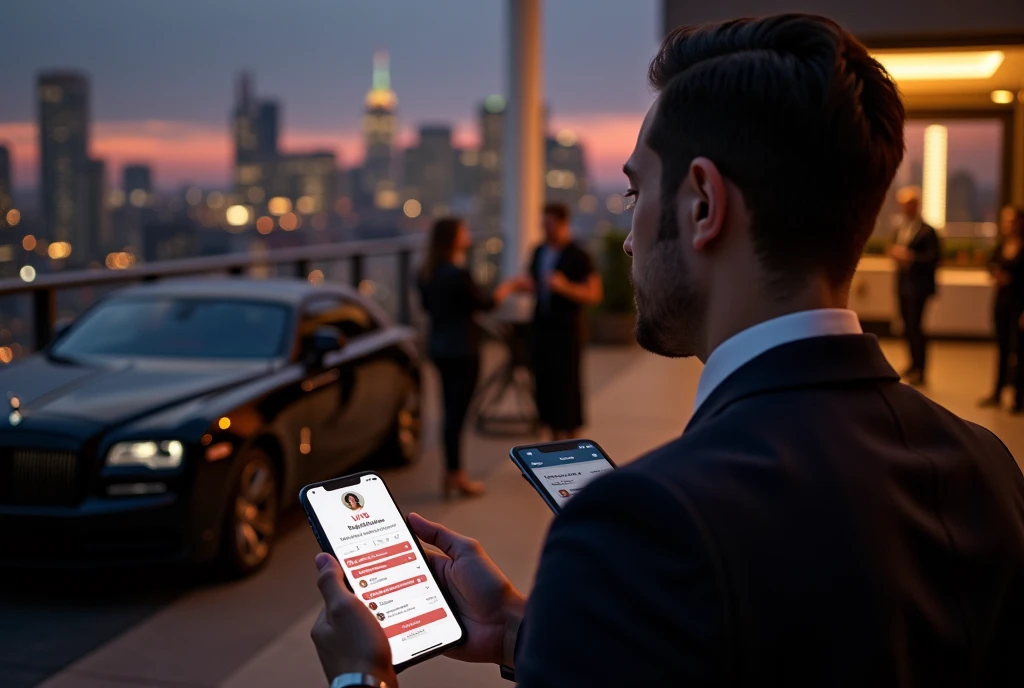
Nightlife Trends in Major Cities
From Manhattan rooftops to Tokyo skyline lounges and Berlin warehouse spaces, evenings in global capitals are no longer built around chance encounters. Entry is confirmed before arrival, tables are reserved days ahead, and guest lists are managed digitally. A Friday night in a major city often begins with a confirmation screen, a private reservation code, and a coordinated arrival time. Just as travelers secure rooftop seating or members-only access in advance, many also discreetly arrange refined company through trusted services like eros escort when planning exclusive evenings in competitive nightlife districts. The pattern is consistent across cities: preparation defines access.
How Nightlife Trends in Major Cities Are Evolving
Major urban nightlife scenes have shifted from spontaneous bar hopping to curated experiences. Venues now focus on atmosphere control, limited capacity, and premium positioning. Technology influences nearly every stage of the evening, from entry to payment.
Key drivers shaping nightlife trends include:
- Mobile booking platforms and QR-based entry
• Members-only concepts and private guest lists
• Experience-focused venues rather than generic clubs
• Branding that blends hospitality, fashion, and music
The emphasis has moved toward personalization. Guests expect not only music and drinks but a controlled social environment that matches their preferences.
Digital Booking and VIP Access Culture
Pre-booking has become standard practice in cities such as New York, Dubai, and Los Angeles. Apps allow guests to secure tables, confirm bottle service, and even preview venue layouts. QR codes replace paper guest lists, while hosts manage entries digitally. VIP culture now revolves around access timing and reservation tiers rather than visible exclusivity alone.
This shift reduces unpredictability. Visitors arrive knowing their table is secured, their seating confirmed, and their placement within the venue predetermined.
The Rise of Private and Hybrid Spaces
Rooftop lounges, private members clubs, and reservation-only cocktail bars are increasingly common. Many venues operate with hidden entrances or limited advertising. Hybrid concepts combine restaurant dining with late-night DJ transitions, allowing guests to remain in one location throughout the evening.
Privacy remains central. Controlled lighting, separated seating areas, and limited capacity create a balanced atmosphere without overcrowding.
City-Specific Nightlife Movements
While trends overlap globally, individual cities shape nightlife differently based on culture and demand.
Rooftop Social Scenes in New York and Dubai
In cities with dramatic skylines, height defines exclusivity. Rooftop venues emphasize visual appeal, curated dress codes, and structured reservations. Entry windows are precise, and late arrivals may lose priority access. The setting becomes part of the experience, framed by city lights and controlled ambiance.
Luxury hospitality brands often collaborate with nightlife operators to maintain consistent service standards.
Underground and Warehouse Revivals in Berlin and London
Berlin and London maintain strong underground traditions. Converted industrial spaces prioritize sound systems and minimal décor. Marketing remains discreet, and many venues rely on word-of-mouth rather than mass promotion.
Comparing structured luxury scenes with underground environments:
- Guest list control versus open queue culture
- Premium table service versus dance-floor focus
- High-visibility branding versus low-profile entrances
- Strict dress expectations versus relaxed attire
Both approaches coexist within the broader evolution of nightlife.
Experience-Led Nightlife Concepts
Themed and immersive concepts are gaining influence across major cities. Guests increasingly seek environments that feel curated rather than repetitive.
Immersive Events and Themed Pop-Ups
Projection visuals, live performers, and limited-time cocktail menus create temporary atmospheres that change monthly or seasonally. Pop-up events often collaborate with fashion labels or art collectives to attract niche audiences. Scarcity enhances appeal.
These formats encourage repeat visits, as each event offers a slightly different experience.
Dining-Nightlife Hybrids and Social Clubs
Restaurants that transition into DJ lounges after dinner hours have become common in cities such as Miami, Paris, and Singapore. Members-only social clubs blend co-working, dining, and late-night events under one membership.
Popular hybrid formats include:
- Chef-led tasting menus followed by live DJs
• Cocktail workshops paired with private networking
• Dining rooms that convert into dance spaces
• Invitation-only themed gatherings
The integration of hospitality and entertainment creates continuity throughout the evening.
Planning an Elevated Night in a Major City
Modern nightlife rewards coordination. Black car services often replace public transport late at night. Arrival times must align with reservation windows. Dress codes remain strictly enforced in high-demand venues.
Clear scheduling reduces friction between locations. Confirming bookings, securing transport, and aligning arrival times ensures a smoother progression from dinner to late-night lounges.
Where Global Nightlife Is Headed Next
Nightlife trends in major cities continue shifting toward structured, curated environments shaped by digital coordination and selective access. Rooftop luxury, underground culture, immersive pop-ups, and dining hybrids each represent different interpretations of the same movement toward controlled experience.
Spontaneity still exists, but preparation increasingly defines the most desirable evenings. In global capitals, access, timing, and atmosphere determine how the night unfolds.

