

NTSA launches automated instant traffic fines system

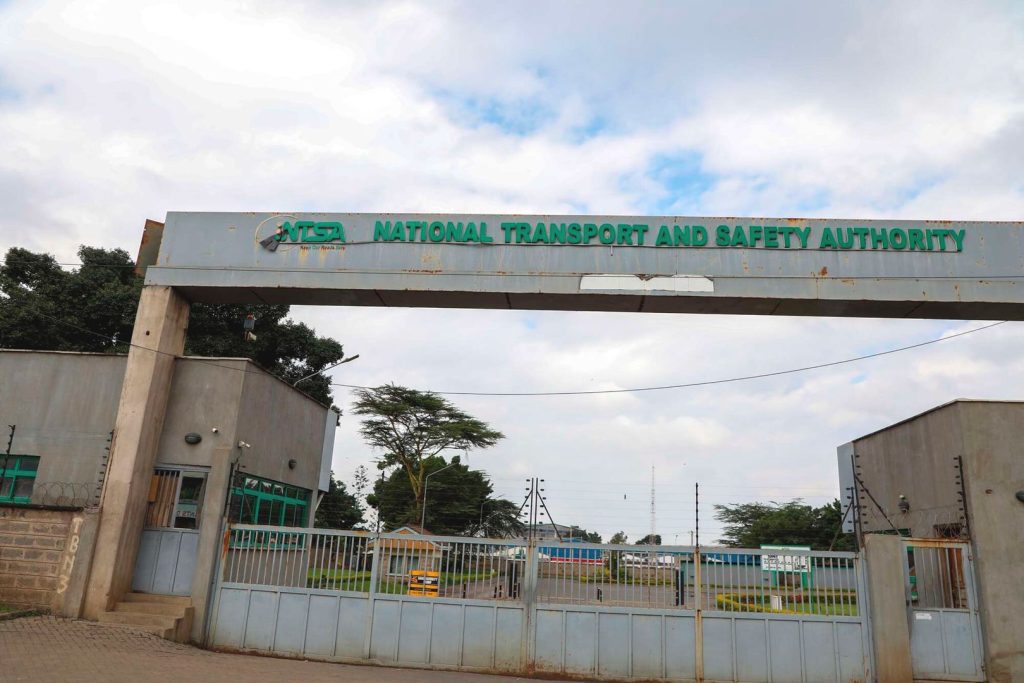
The National Transport and Safety Authority (NTSA) Monday announced the rollout of the Instant Fines Traffic Management System, a new automated platform designed to enhance enforcement of traffic laws across the country.
This was seen as a step forward in the war on crimes on the roads.
In a public notice issued by the authority, NTSA said the system is now operational and will automatically send traffic violation notifications via SMS to motorists who breach road regulations.
According to NTSA, the process is fully automated and operates without human intervention, a move aimed at improving transparency, efficiency, and accountability in traffic enforcement.
Motorists who receive notifications will be required to pay the fines within seven days through the branch network of KCB Group.
Failure to settle the fines within the stipulated period will result in the accrual of interest on the outstanding amount. Additionally, any vehicle or driver with an unpaid fine will be blocked from accessing services on NTSA platforms until the penalty is cleared.
NTSA has advised motorists to adhere to traffic regulations and respond promptly to any official notifications sent through the system.
The authority said further details on the implementation of the new system will be communicated through official government channels.
President William Ruto last week ordered expeditious installation of “painful to pay” fines to tame the rising number of road accidents in Kenya.
Ruto maintained there is a need to introduce urgent interventions that will significantly reduce the continued loss of life and injuries from road accidents.
He said that instant fines will help reduce the number of traffic offences in the nation and also ensure that those involved are brought to book.
According to him, offenders find it easier to breach the law since the system has been crippled by bribery of officers.
“The reason why it is easy to pay a bribe rather than go to court is because it takes so long to pay a legitimate fine, so it encourages so many people to pay a bribe,” Ruto said.
“We must make it much more painful to pay the bribe and much more easy to pay the legal fine.”
He announced a comprehensive package of reforms aimed at reducing road accidents and fatalities across the country, following a report presented at State House, Nairobi.
The President said the government is implementing a robust, multi-pronged strategy targeting enforcement, regulation, digital innovation, and behavioural change in a bid to restore order and safety on Kenyan roads.
Among the immediate interventions is the roll-out of instant fines for traffic violations, alongside the introduction of a demerit points system for drivers. The reforms will also see the reclassification of minor traffic offences from criminal to administrative violations — a move aimed at streamlining enforcement and reducing case backlogs in courts.
Beginning July 2026, the government will implement mandatory vehicle inspections nationwide to ensure roadworthiness.
In addition, surveillance cameras will be installed in major towns to strengthen monitoring and enforcement of traffic laws.
Ruto added that there needs to be an expanded deployment of CCTV and speed cameras on Kenyan roads to curb the unruly character of drivers.
He ordered Transport Cabinet Secretary Davis Chirchir to ensure that the cameras are rolled out in one month.
“Why haven’t we rolled out the cameras on our roads. It is just as simple as that,” he said.
“The cameras will provide foolproof evidence about the offence. We have the law, we have the cameras. Let’s roll them out.”
He said that Kenya records more than 4,000 road fatalities annually, with 5,009 deaths reported in 2025, an increase of 261 compared to 2024.
“These accidents and their ensuing fatalities and injuries cost our economy the equivalent of 5% of our GDP, translating to an estimated loss of Sh450 billion annually,” he said.
He noted that digital innovation will play a central role in curbing corruption within traffic enforcement, enhancing transparency and accountability.
As part of broader reforms, the government will introduce defensive driver certification to improve professional standards among motorists.
Boda boda operators will also be formalised through Savings and Credit Cooperative Organisations (SACCOs) to improve regulation, accountability, and compliance with traffic laws.
The reforms come amid rising concern over traffic accidents and fatalities, particularly in urban centres and along major highways.
Ruto emphasized that achieving lasting change will require a whole-of-government and whole-of-society approach to road safety.
“As we play our part, we call on all Kenyans to obey traffic rules and remain mindful of fellow road users,” he said.

