

Nyamira orders removal of Eucalyptus trees from water catchment areas

The Nyamira County Government has ordered the removal of eucalyptus trees planted near water catchment areas, warning that the species could place pressure on springs and other critical water sources.
County Executive Committee Member for Environment John Matiangi said the county would not allow activities that threaten the sustainability of springs, wetlands, riverbanks and other water sources.
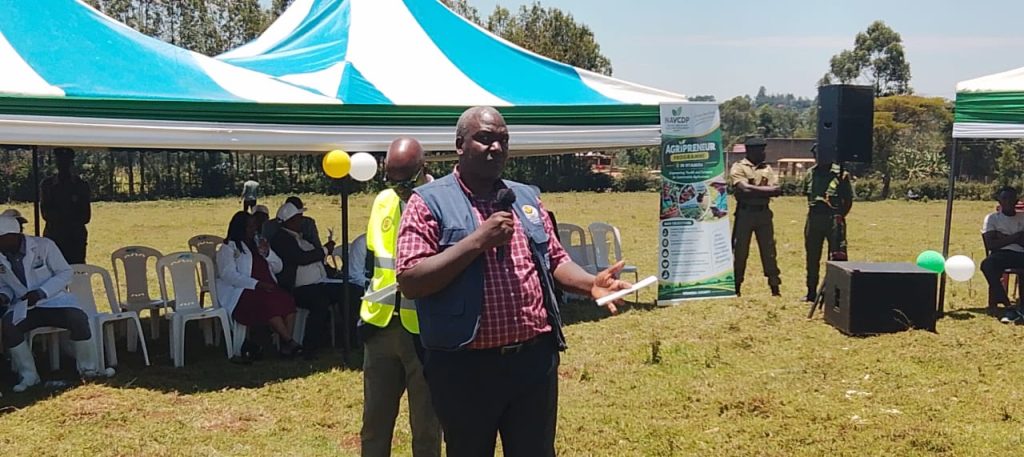
Matiangi spoke at Kijauri on Tuesday during the launch of the E-voucher vaccination exercise across the region, where he urged residents to reconsider planting eucalyptus trees close to water sources.
“We must protect our water sources. Trees are important, but we must also be careful about the type of trees we plant and where we plant them,” Matiangi said.
He said eucalyptus trees planted too close to springs and other water catchment areas could contribute to the depletion of available moisture because of their extensive root systems and high water demand.
“We are asking our people to move eucalyptus away from water catchment areas and plant suitable indigenous trees instead. We cannot destroy the source of water while trying to conserve the environment,” he said.
The directive comes amid concerns over declining water levels in some springs and streams across the Gusii region.
Several communities have reported increased pressure on traditional water sources, with residents sometimes forced to walk longer distances in search of water, particularly during prolonged dry spells.
Environmental experts have cautioned that planting fast-growing tree species close to springs, wetlands and riverbanks can interfere with the natural functioning of sensitive ecosystems.
Eucalyptus trees grow rapidly and have extensive root systems. Their high transpiration rates can also result in substantial water use, particularly when they are densely planted or grown in areas with limited rainfall.
When planted inappropriately, especially in large numbers near springs and wetlands, the trees may compete with other vegetation for available moisture and worsen water stress during dry periods.
The problem can be compounded when natural vegetation around a spring is cleared for farming or tree planting.
Matiangi said the county’s campaign would focus not only on removing unsuitable trees but also on restoring degraded water catchment areas.
“We are not saying people should stop planting trees. We are saying let us plant the right trees in the right places,” he said.
He urged residents to embrace indigenous tree species that can provide shade, protect soil and support biodiversity without placing excessive pressure on water sources.
The county official also warned residents against cultivating too close to springs and riverbanks, saying the protection of water catchment areas was essential to securing the region’s long-term water supply.
“Water is life. If we destroy the environment around our water sources today, our children will pay the price tomorrow,” Matiangi said.

