

Ol’ Dirty Bastard Siblings: All About Dionne and Ramsey Jones

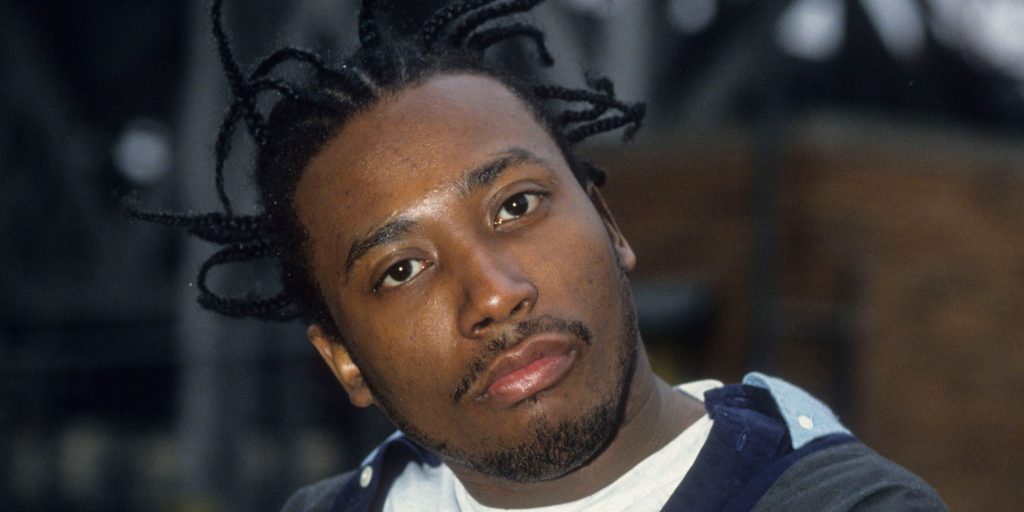
Ol' Dirty Bastard PHOTO/Pitchfork
Ol’ Dirty Bastard, born Russell Tyrone Jones on November 15, 1968, in the Fort Greene section of Brooklyn, New York, was a charismatic and unpredictable American rapper best known as a founding member of the influential hip-hop collective Wu-Tang Clan.
Often abbreviated as ODB, he earned a reputation for his raw, eccentric delivery, wild personality, and distinctive vocal style that blended humor, aggression, and vulnerability.
His stage names included Ason Unique, Dirt McGirt, Big Baby Jesus, and Osirus, reflecting his ever-changing persona.
Tragically, he passed away on November 13, 2004, at the age of 35 from an accidental drug overdose, leaving behind a legacy as one of hip-hop’s most unforgettable figures.
Siblings
Ol’ Dirty Bastard had an eldest brother named Ramsey Jones, who has been involved in music and has spoken about family and creativity in interviews.
Another sibling was his sister Dionne Jones, who sadly passed away on November 13, 2011, exactly seven years after her brother’s death.
His family ties extended to cousins who became key figures in hip-hop, RZA (Robert Diggs) and GZA (Gary Grice), whose mothers were first cousins to ODB’s father, making them close cousins.
Career
ODB’s career took off in the early 1990s when he joined forces with his cousins RZA and GZA to form the Wu-Tang Clan in 1992.
Also Read: Joe Perry Siblings: Getting to Know Anne-Marie Perry


The group revolutionized East Coast hip-hop with their gritty, cinematic sound and independent approach, signing a landmark deal that allowed members to pursue solo projects.
ODB stood out for his unfiltered energy and chaotic charisma, contributing memorable verses to the clan’s debut album Enter the Wu-Tang (36 Chambers) in 1993, including standout tracks like “Shimmy Shimmy Ya” precursors in style.
His solo debut, Return to the 36 Chambers: The Dirty Version, arrived in 1995 on Elektra Records and became a critical and commercial success, showcasing hits like “Shimmy Shimmy Ya,” “Brooklyn Zoo,” and “Shimmy Shimmy Ya.”
The album highlighted his raw lyricism and eccentric flow.
He continued releasing music, including the 1999 album Nigga Please, and collaborated on tracks like “Ghetto Supastar (That Is What You Are)” with Pras and Mýa for the Bulworth soundtrack.
Despite ongoing legal troubles, arrests, and struggles with substance abuse that frequently interrupted his work—including stints in prison, he remained a vital part of Wu-Tang projects such as Wu-Tang Forever (1997).
Posthumous releases like A Son Unique (2005) kept his influence alive, and his unpredictable antics, from arriving at a welfare office in a limousine to his larger-than-life public behavior, cemented his status as a hip-hop iconoclast.
Accolades
Ol’ Dirty Bastard’s debut solo album Return to the 36 Chambers: The Dirty Version received a Grammy nomination for Best Rap Album at the 38th Annual Grammy Awards in 1996.
Wu-Tang Clan’s Wu-Tang Forever garnered a nomination for Best Rap Album at the 40th Annual Grammy Awards in 1998.
Additionally, his feature on “Ghetto Supastar (That Is What You Are)” earned a nomination for Best Rap Performance by a Duo or Group at the 41st Annual Grammy Awards in 1999.
Beyond the Grammys, he won a MOBO Award in 1998 for Best International Single.