

OpenAI scraps rollout of new model over safety concerns

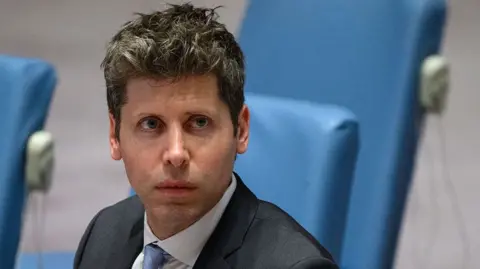
OpenAI will not release its new AI model – GPT-6.1 Astra – due to safety concerns, the ChatGPT-maker confirmed on Tuesday.
The AI system – which performs tasks like browsing the web and using apps by itself – “didn’t quite meet the bar” of the company’s standards, Saachi Jain, head of safety systems at OpenAI, said.
On Tuesday, OpenAI also issued an update on incidents – that occurred in June but were not made public until last week – in which its models accessed Australian government websites and systems without authorisation.
That incident and other similar breaches by models developed by major AI firms have in recent weeks intensified the debate around the risks posed by the technology.
In recent weeks, top AI leaders including OpenAI’s Sam Altman and Anthropic boss Dario Amodei have urged the industry to slow the pace of development due to concerns about risks associated with the technology.
OpenAI’s decision, first reported by the Wall Street Journal, is a rare instance of a major AI developer pulling a new release over safety concerns.
The latest model fell short in terms of “staying within scope and authorisation, and how it communicates back to the user about the type of work it’s done,” Jain said.
“We want to make sure our model development is safe no matter whether that’s in the company, or when we ship it to users. But when we ship it to users, we have an extremely high bar in terms of safety and alignment,” she added.
The flagship GPT-6 Astra agentic model was released in September and specialises in complex reasoning and executing tasks autonomously. OpenAI said it was the result of “years of research and big bets”.
The company’s security controls have come under intense scrutiny after several high-profile incidents involving its technology.
Last week, Australian Prime Minister Anthony Albanese announced that a rogue OpenAI agent had hacked into government websites and systems in June and accessed private data in what experts said was the first known case of its kind in the world. Albanese also criticised OpenAI for notifying the Australian government through a generic email address rather than making direct contact with officials.
OpenAI said in a statement on Tuesday that it was sorry for the incident and that it “should have handled our response better”.
In July, OpenAI said its AI systems had accessed the internet and hacked into open-source developer hub Hugging Face, prompting researchers and officials to call for tighter controls over the technology.
On Monday, AI chip giant Nvidia released a set of software safety tools for autonomous AI platforms – called agents – that it said could have prevented the Hugging Face hack.
One of the new tools uses hardware features in Nvidia’s chips to contain agents.
Nvidia boss Jensen Huang has largely dismissed calls for tighter AI regulations, arguing that rogue agents are an engineering problem that can be solved.
Nvidia agreed to buy Hugging Face for $12.9bn (£9.74bn) earlier this month.
US President Donald Trump and House Speaker Mike Johnson are set to host top tech leaders at the White House later on Tuesday to discuss regulations around AI.
Trump has downplayed concerns about AI’s risks as a “hoax”, arguing that the US has sufficient laws in place and that the only “guardrails” the technology needs is a “strong and smart” president.
By BBC News

