

Opposition accuses government of vote buying in Ol Kalou by-election

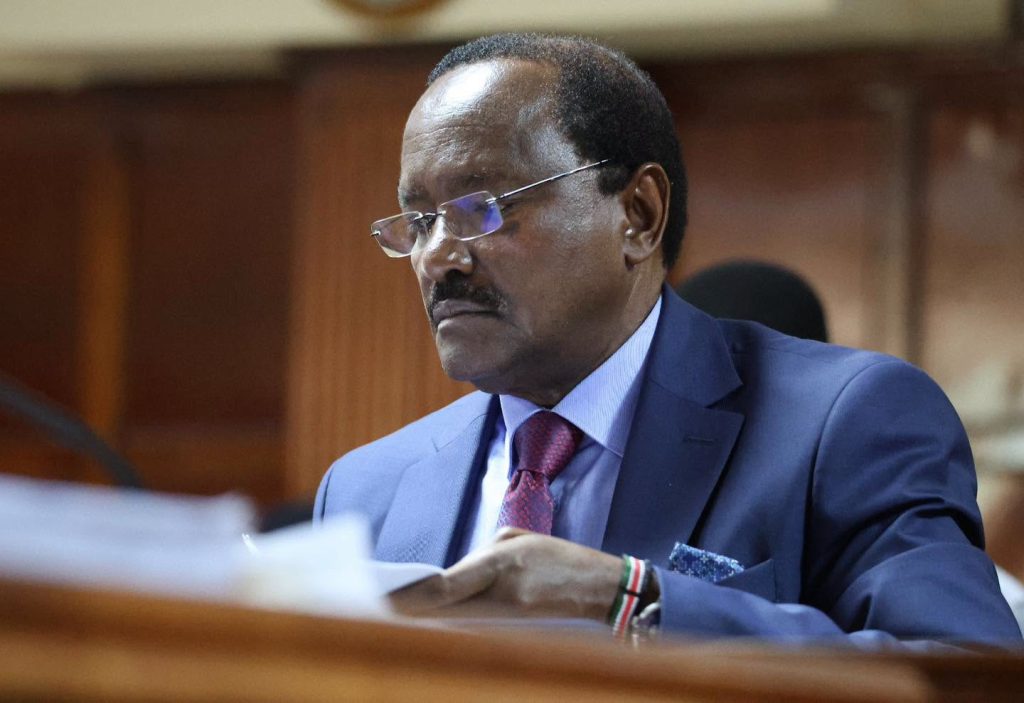
Opposition leaders accused the government of orchestrating widespread voter bribery and abuse of state resources ahead of the upcoming Ol Kalou parliamentary by-election, warning that the reported incidents pose a serious threat to Kenya’s democratic process.
In a joint statement, the leaders claimed that voters in the constituency have been receiving cash handouts, government-branded mattresses, gas cylinders and other inducements, alongside the launch of what they described as unplanned government projects intended to influence the outcome of the poll.
They alleged that the activities are not isolated incidents but form part of a coordinated campaign involving government officials using public resources to support the United Democratic Alliance (UDA) candidate.
According to the opposition, the alleged actions amount to voter bribery and misuse of public resources, contrary to the Elections Offences Act.
They further accused public officers of engaging in partisan political activities, which they said undermines the integrity of the electoral process.
The leaders called on the Independent Electoral and Boundaries Commission (IEBC) to take immediate action by enforcing electoral laws impartially and holding any candidates, political parties, agents or public officers found culpable accountable, including through disqualification where warranted.
They also urged the Directorate of Criminal Investigations and the Ethics and Anti-Corruption Commission to investigate allegations of voter bribery and other election-related offences with a view to prosecuting those responsible.
While expressing concern over the conduct of campaigns, the opposition rejected any suggestion that the by-election should be postponed, insisting that residents of Ol Kalou must be allowed to exercise their constitutional right to elect their representative without intimidation or interference.
The leaders warned that failure to curb electoral malpractice could undermine confidence in future elections, including the 2027 General Election, arguing that vote buying fuels corruption by encouraging elected leaders to view public office as an investment rather than a public trust.
They concluded by urging Kenyans to reject the misuse of public resources for political gain, maintaining that the country’s democracy and the sovereignty of its people must be protected.

