


The vibe has shifted, and you can feel it
Weight wellness used to sound like punishment. Tiny meals. Loud rules. A lot of “before and after” energy. Now it’s different. More women are talking about weight in the same breath as sleep, hormones, stress, work schedules, parenting, PCOS, perimenopause, and the general chaos of being over 30.
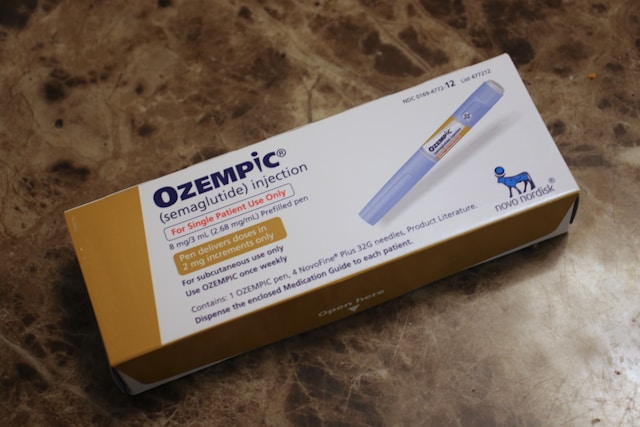
Ozempic sits right in the middle of that shift. Not as a magic wand. Not as a moral failure. More like a signal that the whole conversation is changing: appetite, blood sugar, cravings, and willpower aren’t separate worlds. They overlap. And yes, the topic gets messy fast. Group chats. TikTok. Doctors who are helpful, doctors who rush. Friends who whisper. Friends who overshare. You don’t need more noise. You need a clean way to think about it.
Photo by David Trinks on Unsplash
Why Ozempic has become a cultural “mirror”
Ozempic isn’t just a medication story. It’s a mirror for what women have been carrying for years.
For some: lifelong weight cycling, shame, and that feeling of “why is this so hard for me when other people just… stop eating chips.” For others: hormonal weight shifts, postpartum changes, thyroid stuff, insulin resistance, emotional eating that ties directly to stress. For plenty: the fear that body changes mean something deeper is “wrong.”
So when a medication changes appetite and food noise, it doesn’t only change the scale. It changes identity. It changes routines. It changes how you move through a grocery store. That’s why reactions are intense on both sides.
And here’s a helpful way to frame it: the medication is a tool. The experience around it is a full lifestyle transition, whether you want that or not.
The “future of weight wellness” is less about weight
This is the part people skip. The real future isn’t just access to GLP-1 medications. It’s the shift toward weight wellness being treated like a multi-factor system, not a character test.
You’ll hear more women say things like:
- “My hunger cues felt broken.”
- “My cravings spiked when my sleep went off.”
- “My cycle changes changed everything.”
- “I wasn’t overeating for fun, I was exhausted.”
That’s not a weakness. That’s pattern recognition.
And in that future, you’ll see more structured support around the medication experience: habits, check-ins, strength training plans that match real energy levels, protein targets that aren’t gym-bro nonsense, and mental support that doesn’t treat food like a villain.
If you’re considering Ozempic, start with the real question
Not “Will I lose weight?” A better question: What problem am I trying to solve?
Because women step into this for different reasons:
- Appetite feels loud and constant
- Weight is climbing with age even when routine hasn’t changed
- Blood sugar issues, cravings, energy crashes
- A history of dieting that stopped working
- Health markers getting attention, not just clothing size
That question matters because it shapes expectations. And expectations shape whether this feels empowering or disorienting.
Now, right after that, comes the practical part: access and information. People look up options, variations, what’s actually prescribed, and what “similar meds” even means when the internet throws names around. If you’re in that research mode, this kind of overview from Elivena can help you sort through the landscape without spiraling. Put it in your “reference” folder, not your “panic” folder.
The part nobody warns you about: identity whiplash
Some women start medication like this and feel relief. Quiet mind around food. Less snacking. Fewer intrusive cravings. Space in the day.
Other women feel weird. Not sick, not sad. Just… off.
Because food isn’t only fuel. It’s comfort, a break, a reward, a ritual, a social glue. If appetite changes quickly, the emotional routines show up. You might notice boredom more. Stress more. The urge to scroll more. Shopping becomes tempting. Anything that replaces the old “snack moment.”
This isn’t a reason to avoid medication. It’s a reason to plan for the human part.
Try this mindset:
If food used to be a coping tool, the goal isn’t to remove coping. The goal is to upgrade coping.
Side effects and the “quiet stuff” women trade notes about
People talk about nausea and digestion, sure. But women also trade notes about the quieter stuff. The things that don’t fit into a neat warning label conversation.
Like:
- “My social life changed because restaurant portions felt awkward.”
- “I didn’t want wine the same way.”
- “I had less interest in snacking while working, and suddenly my work breaks felt empty.”
- “I lost weight, but I also lost some muscle because I wasn’t lifting.”
- “My skin felt different.”
- “My mood shifted when I wasn’t using food as a buffer.”
None of this is guaranteed. But it’s common enough that it’s worth treating as part of the plan, not a surprise.
What “doing it right” usually looks like in real life
Not perfect. Not aesthetic. Just grounded.
1) You protect muscle like it’s a non-negotiable
A lot of women want weight loss but don’t want to look or feel “smaller and weaker.” Muscle is the difference.
Strength training doesn’t need to be extreme. It needs to be consistent. Two to four sessions a week. Basic movements. Progressive overload when you can. And recovery that isn’t an afterthought.
2) You treat protein like a daily anchor
Appetite can drop. That’s the point. But then protein often drops too, and that’s where energy, hair, and muscle complaints start to pop up.
Nothing fancy. Just a plan you can repeat.
3) You build a “maintenance brain,” not only a “loss brain”
This is huge. Plenty of women can follow a plan for a few months. The long-term win is learning how you want to live when the novelty is gone.
Because the goal isn’t a short phase. The goal is a stable life where you recognize your patterns early and adjust without drama.
The social pressure piece: friends, partners, and the weird comments
If you’re a woman over 30, you already know. Someone will say something.
They’ll ask how you did it. Then they’ll judge the answer. Or they’ll treat your body as public property. Or they’ll project their own fears: “Don’t you worry it’s cheating?” “Aren’t you scared you’ll gain it back?” “My cousin’s friend felt sick.”
Here’s a clean boundary script that works:
“I’m working with my clinician and focusing on health. I’m not really discussing details.”
Short. Calm. No debate. No invitation.
The future isn’t Ozempic for everyone. It’s options that fit real women
What’s coming next, culturally, is less “one perfect solution” and more personalized paths.
Some women will do well with GLP-1 medications.
Some will do better focusing on sleep, stress, and strength training once their life season stabilizes.
Some will need hormone support, thyroid support, or help with insulin resistance patterns.
Some will focus on habit change first and medication later.
Some will decide it’s not for them. That’s valid too.
The win is being able to choose without shame, and without pretending every body runs on the same settings.
A simple checklist before you make any move
This is the part I’d write on a sticky note.
- What’s my actual goal: health markers, appetite control, energy, mobility, confidence, all of it?
- What season am I in: postpartum, perimenopause, high-stress job, caregiving, burnout?
- Do I have a strength plan that protects muscle?
- Do I have a food plan that keeps protein steady even with low appetite?
- Do I have support for the emotional shift if food stops being my go-to comfort?
- Am I choosing this because I want it, not because I feel pressured to shrink?
That’s not overthinking. That’s adult decision-making.

Email your news TIPS to Editor@Kahawatungu.com — this is our only official communication channel
