

Pablo Escobar Net Worth

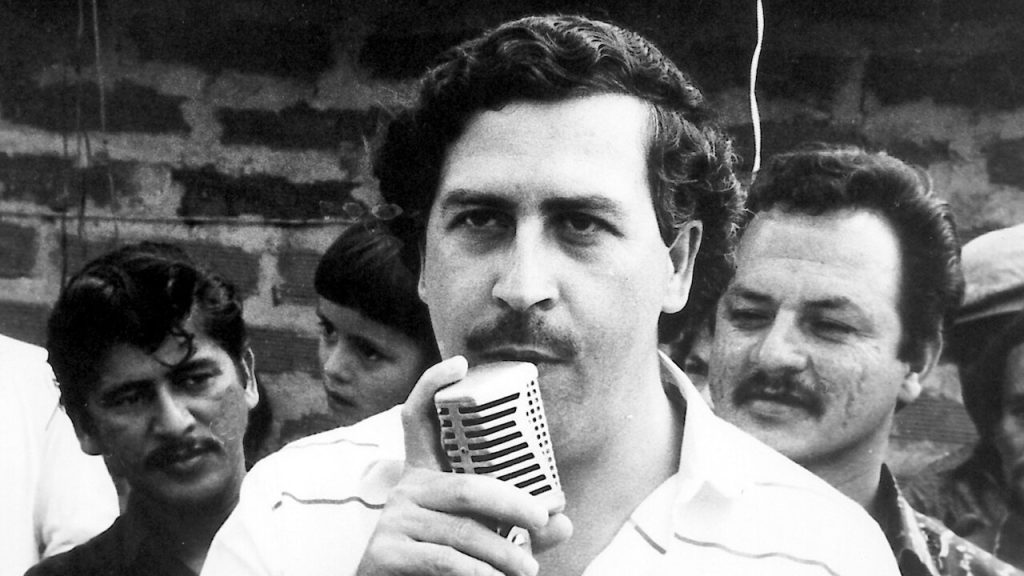
Pablo Escobar was a Colombian drug kingpin whose net worth reached an estimated $30 billion at the height of his power, making him one of the wealthiest criminals in history. As the leader of the infamous Medellín Cartel, Escobar controlled a vast cocaine empire that dominated the global drug trade during the 1980s.
At the peak of his criminal enterprise, the Medellín Cartel reportedly supplied 80 percent of the world’s cocaine, generating hundreds of millions of dollars every week. Escobar’s immense fortune placed him among the richest people on the planet, while his influence transformed Colombia’s criminal landscape and left a lasting mark on global organized crime.
| Pablo Escobar Net Worth | $30 Billion |
| Date of Birth | December 1, 1949 |
| Place of Birth | Rionegro, Colombia |
| Nationality | Colombian |
Pablo Escobar Net Worth
At the height of his drug empire, Pablo Escobar had an estimated net worth of $30 billion. Adjusted for inflation, that fortune would be worth significantly more today.
His wealth came primarily from cocaine trafficking through the Medellín Cartel, which smuggled massive quantities of cocaine into the United States and other international markets. The cartel’s operations generated extraordinary profits, making Escobar one of the richest criminals ever documented.
According to various reports, the cartel was earning approximately $420 million per week during its most profitable years.
Early Life
Pablo Emilio Escobar Gaviria was born on December 1, 1949, in Rionegro, Colombia, and grew up in Medellín. He was one of seven children born to a farmer father and a schoolteacher mother.
Long before becoming one of the world’s most feared drug traffickers, Escobar reportedly engaged in petty crimes, including selling counterfeit goods and running small scams. As a young man, he briefly attended university but left before completing his studies.
By the early 1970s, he had shifted his focus toward more lucrative criminal activities, laying the groundwork for what would eventually become a global drug empire.
Building the Medellín Cartel
Escobar’s rise to power began when he entered the cocaine trade during the 1970s. He established an extensive transportation network that moved cocaine from South America into the United States.
The Medellín Cartel utilized dozens of aircraft, helicopters, and smuggling routes to transport drugs. Pilots were reportedly paid hundreds of thousands of dollars per trip for successful deliveries.
As demand for cocaine exploded in the United States, Escobar’s operation expanded rapidly. By the mid-1980s, his cartel controlled most of the cocaine entering the American market.
The cartel’s dominance generated unprecedented wealth. Escobar accumulated billions while becoming one of the most powerful figures in Colombia.
How Much Money Did Pablo Escobar Make?
At the height of his criminal career, Escobar’s organization was reportedly bringing in around $420 million per week.
The sheer volume of cash created unusual problems. Former cartel members claimed that millions of dollars were stored in warehouses, hidden inside walls, buried underground, and kept in remote locations.
According to accounts from Escobar’s associates, the cartel spent approximately $2,500 per month on rubber bands just to bundle cash.
Large amounts of money were also reportedly lost due to water damage, mold, and rodents. Some estimates suggest that the cartel wrote off hundreds of millions of dollars annually because the cash physically deteriorated while in storage.
Political Ambitions
Despite being one of the world’s most notorious criminals, Escobar cultivated a Robin Hood-like image among many poor Colombians.
He funded housing projects, built soccer fields, supported local sports programs, and donated money to struggling communities in Medellín. These efforts earned him loyalty from many residents, who often helped shield him from authorities.
Escobar even entered politics and won a seat as an alternate member of Colombia’s Congress in 1982. However, revelations about his criminal activities eventually forced him out of politics.
When his political ambitions collapsed, Escobar increasingly relied on violence to maintain power.
Reign of Terror
Escobar’s cartel became synonymous with violence throughout Colombia.
He was linked to thousands of murders, including the killings of politicians, journalists, judges, police officers, and civilians. His organization carried out bombings, kidnappings, and assassinations designed to intimidate rivals and government officials.
One of the most notorious periods in Colombian history unfolded during Escobar’s reign, as the country struggled with widespread corruption, cartel violence, and political instability.
Prison, Escape, and Death
In 1991, Escobar negotiated a surrender agreement with Colombian authorities.
As part of the arrangement, he was allowed to serve his sentence in a luxury prison he personally designed, known as La Catedral. The facility included amenities such as a soccer field, bar, waterfall, and private living quarters.
However, Escobar continued running his criminal operations from inside the prison.
When authorities attempted to move him to a standard prison in 1992, he escaped and went into hiding.
A massive manhunt involving Colombian police, military units, and U.S. agencies followed. On December 2, 1993, one day after his 44th birthday, Escobar was killed during a rooftop shootout in Medellín.
Real Estate
Escobar used his enormous wealth to acquire properties throughout Colombia and beyond.
His most famous estate, Hacienda Nápoles, featured a private zoo, airstrips, lakes, luxury residences, and exotic animals imported from around the world.
The drug lord also reportedly maintained hidden properties, safe houses, and large cash reserves in various countries.
At one point, Escobar even offered to pay off Colombia’s national debt, estimated at more than $10 billion, in exchange for protections against extradition.
Family Life
Escobar married Maria Victoria Henao in 1976 when she was 15 years old. The couple had two children: son Juan Pablo Escobar, who later changed his name to Sebastián Marroquín, and daughter Manuela Escobar.
Despite his family life, reports suggest Escobar engaged in numerous affairs throughout his years as cartel leader.
After his death, his family faced years of legal and financial challenges while attempting to distance themselves from his legacy.
Pablo Escobar in Popular Culture
Escobar’s life has inspired countless books, films, documentaries, and television series.
One of the most famous portrayals came through the Netflix series Narcos, which chronicled his rise and eventual downfall.
His story has also been featured in films such as Blow, American Made, and Escobar.
Even decades after his death, Escobar remains one of the most recognizable figures in criminal history.
Also Read: Griselda Blanco Net Worth

