

Petitioner moves to court over KRA directive on importers to transfer cargo to CFSs

A man moved to the High Court seeking to stop a directive by the Kenya Revenue Authority (KRA) and Kenya Ports Authority (KPA) requiring importers to transfer domestic cargo to designated Container Freight Stations (CFSs).
The petitioner Henry Namiti Shitanda filed an urgent petition challenging the directive, arguing that it unlawfully restricts importers’ freedom to choose where their goods are cleared and was introduced without adequate public participation or stakeholder consultation.
Shitanda claimed the directive issued by the two State agencies in early August 2026 was developed and implemented without transparency, alleging that it violates constitutional principles of accountability and fair administrative action.
The case filed on August 10 was placed before Justice Jairus Ngaah, who directed that the matter be expedited once the court resumes from the August recess.
In directions issued on August 10, Justice Ngaah ordered Shitanda to serve the petition and application by August 11.
The respondents have seven days from the date of service to file their responses, after which the petitioner will have a further seven days to file submissions.
The court scheduled September 22, for highlighting of submissions on the application seeking conservatory orders.
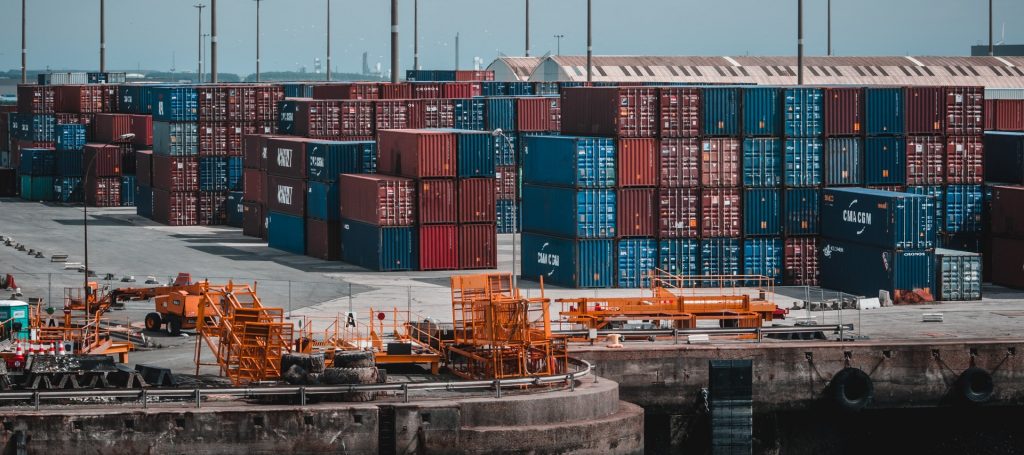
The contested directive requires domestic cargo arriving through the Port of Mombasa to be transferred to nominated CFSs for clearance.
Shitanda argued that the move exposes importers to additional costs, including double-handling charges, storage fees, transport surcharges and accumulating demurrage charges.
He has further alleged a conflict of interest involving senior KRA officials, claiming some have substantial financial and commercial interests in companies operating designated CFS facilities.
According to the petition, the officials are alleged to be using State machinery to channel cargo to privately owned facilities.
Shitanda contended that the directive violates Articles 10, 27, 40, 47, 73 and 201 of the Constitution, touching on national values and principles of governance, equality, protection of property, fair administrative action, integrity in public leadership and responsible management of public resources.
He sought conservatory orders restraining KRA and KPA from implementing the directive pending the hearing and determination of the petition.
He also sought orders directing the KRA Board and the Ethics and Anti-Corruption Commission to investigate the alleged conflict of interest involving senior officials who participated in the formulation and implementation of the directive.
The dispute follows a similar notice issued by KPA and KRA in November 2025 announcing that domestic containerized cargo would be transferred to CFSs. KPA had indicated that it would stop clearing such cargo at the port from December 10, 2025.
The authority had warned that where an importer failed to nominate a CFS, details of the consignment would be made available to the Container Freight Stations Association for allocation to a facility near the Port of Mombasa.
The latest legal challenge also comes after the Container Freight Stations Association of Kenya lost a separate case before Justice Ngaah over KPA’s revised 2025 tariff book.
In that case, the association had challenged tariff provisions that gave preferential treatment to government-owned Inland Container Depots over private CFSs.
Justice Ngaah declined to quash the provisions, finding that the tariff-making process had involved public participation.
Shitanda’s petition seeks to preserve what he describes as importers’ constitutional and statutory right to clear their cargo directly at the Port of Mombasa or choose a CFS without coercion.
The case will come up on September 22, 2026, for highlighting of submissions on the application for conservatory orders.

