

Police Explain Delayed Responses in Molo, Nakuru County

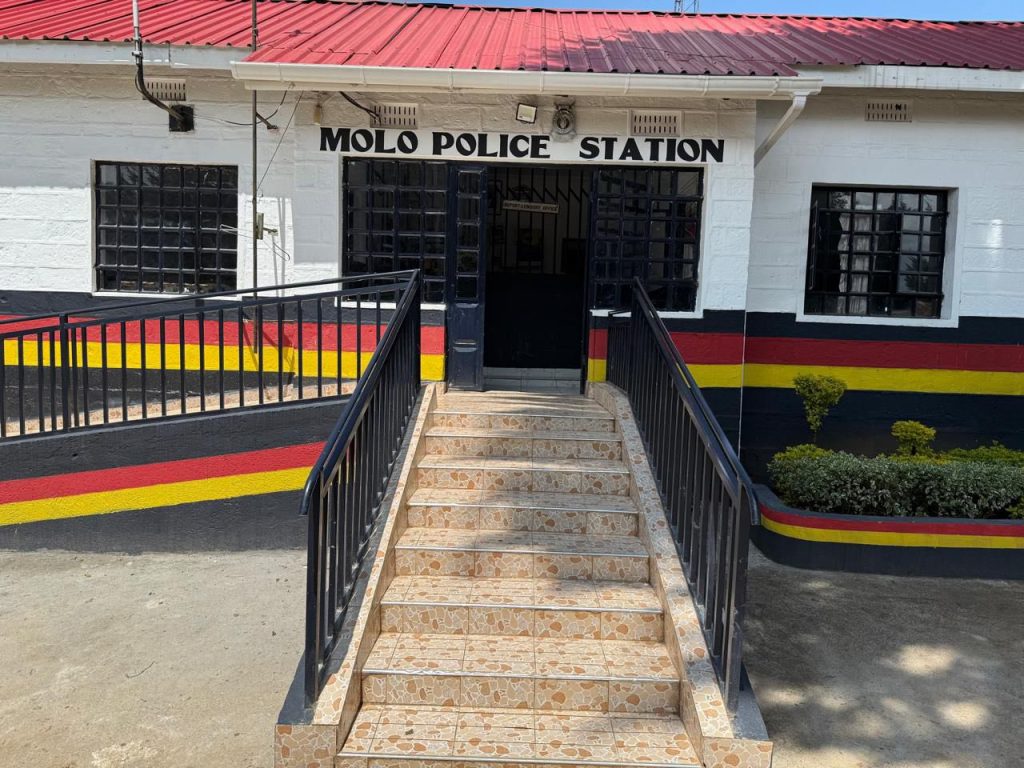
The Administration and Internal Security Committee of Parliament has heard that poor housing, lack of vehicles, and fuel shortages are among the major reasons for delayed police responses in Molo, Nakuru County.
The committee, led by Chairperson Gabriel Tongoyo, conducted an oversight inspection in the area on Monday to assess challenges affecting service delivery.
Molo OCPD Timon Odingo told MPs that most officers live far from their stations because they do not receive housing allowances.
“When emergencies occur, it takes time to mobilize officers, and citizens blame us for late response. With the ongoing affordable housing programme, police housing should be given priority,” he said.
Odingo added that shortage of vehicles and fuel continues to hamper operations.
He thanked area MP Kuria Kimani for facilitating the construction of a police station at Mariashoni but appealed for vehicles to be allocated to Mariashoni and Elburgon stations, as well as for his own use, noting that his official vehicle has been in the garage for five months.
The committee also noted an urgent need to improve counselling and chaplaincy services for police officers, who often face stressful working conditions.
The Officer Commanding Molo Police Station raised concern about investigations by the Independent Policing Oversight Authority (IPOA), saying they sometimes lack context. He cited a case where an officer shot a “kata hema” thief — a term used to describe criminals who slit open moving fuel tankers along the Salgaa–Sachangwan stretch to steal goods. “This crime persists mainly because we lack patrol vehicles to cover the highway,” he said.
Base Commander Victor Nderu highlighted the high number of accidents along the Nakuru–Eldoret highway, especially at Migaai. “We have raised the matter with KENHA. The road needs to be expanded, and the situation worsens whenever it rains,” he said.
Other challenges mentioned included delayed promotions, lack of water supply in police stations, and inadequate rehabilitation funds.