

Private Hospitals Suspend SHA Treatment Over Unpaid Bills

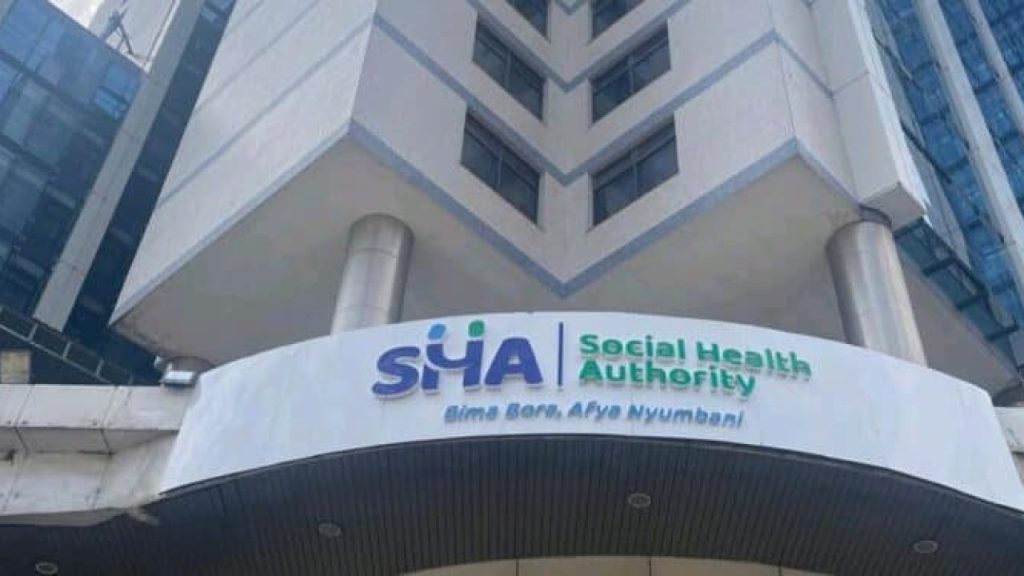
Private hospitals have indefinitely suspended medical services under the Social Health Authority (SHA) insurance scheme due to unpaid claims.
In a notice issued on Monday, Kenya Association of Private Hospitals (KAPH) chairman Erick Musyima announced that the suspension also applies to Medical Administrator Kenya Limited (MALK).
The decision follows a warning issued earlier by KAPH, indicating a possible service interruption starting February 20. The Rural Private Hospitals Association of Kenya (RUPHA) confirmed that the move was necessary due to outstanding claims from the previous year.
According to RUPHA officials, the insurer responsible for covering teachers and police officers under the Teachers Service Commission (TSC) and other government agencies has failed to settle pending payments.
“We will stop providing medical services to police officers and teachers using government insurance from Monday,” said RUPHA Deputy Chairperson Rev. Joseph Kariuki.
The association further warned that the suspension could be extended to SHA patients if the financial strain on private hospitals continues. “No services will be provided to teachers, police, and SHA patients from Monday unless the government addresses our concerns,” Kariuki added.
During a Special General Meeting (SGM) held on February 24, 2025, KAPH members unanimously resolved to suspend all credit arrangements under SHA and MALK with immediate effect. Musyima explained that the decision was driven by persistent financial instability, which has threatened the quality and accessibility of healthcare services. He cited unresolved inefficiencies in the transition from the National Health Insurance Fund (NHIF) to SHA, unclear operational and reimbursement frameworks for outpatient services, and an outstanding NHIF debt of Sh30 billion.
Despite several negotiations with the government, Musyima noted that private hospitals have received unfulfilled promises, worsening the situation. Private healthcare facilities provide critical services to over 52 percent of the population, and the financial constraints have already led to job losses, salary delays, medical supply shortages, and loan defaults.
“KAPH is ready and willing to engage in meaningful discussions with relevant authorities to urgently address these systemic failures and prevent further deterioration of healthcare services in Kenya,” Musyima stated.

