

PS Bitok Calls for Collective Action to Curb Rising School Unrest

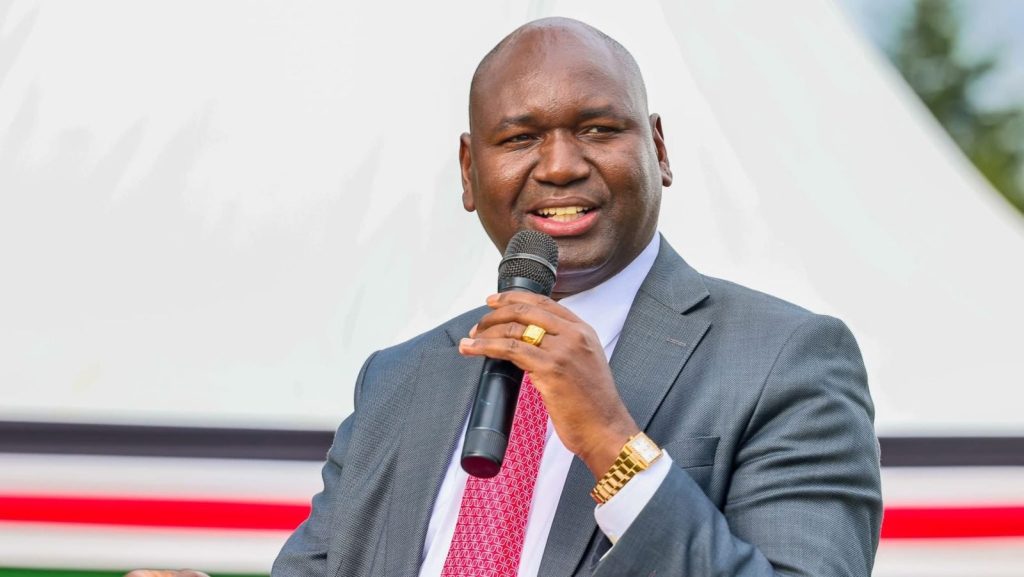
The Principal Secretary for Basic Education, Julius Bitok, has called for coordinated action among education stakeholders to address rising cases of unrest in schools across the country.
Speaking during a virtual meeting convened on Thursday with secondary school principals, regional and county education directors, sub-county education officials, and senior ministry officers, Bitok said urgent interventions were needed to ensure uninterrupted learning during the current school term.
The meeting was called to review the situation in affected institutions and develop strategies to prevent further disruptions to learning.
The PS noted that the second term is traditionally prone to school unrest and urged education officers to adopt a proactive approach in identifying and addressing early warning signs.
“We are aware of incidences of unrest in some of our schools which have unfortunately interfered with smooth learning and the closure of some institutions. We must be on the lookout for the triggers to effectively preempt them,” he said.
During the session, field officers briefed the ministry on the situation in their respective regions and shared experiences in managing emerging challenges affecting learning institutions.
They attributed the unrest to weak communication channels between students and school management, limited learner involvement in decision-making, harsh disciplinary approaches, and examination-related pressure.
Other cited causes included poor learning environments, peer influence, drug and substance abuse, social media influence, and inadequate guidance and counselling services.
Bitok urged school administrators to adopt student-centred approaches in addressing grievances, emphasising the need for open communication between learners, teachers, parents, and school leadership.
“Schools must strengthen communication channels between students, teachers, parents, and administrators to promote trust, openness, and timely resolution of concerns,” he said.
He further encouraged institutions to involve learners in decision-making processes to build a sense of responsibility and belonging.
On discipline management, the PS called for humane and corrective approaches, warning against punitive measures that could escalate tensions within schools.
“Discipline should be fair, supportive, and corrective. Schools must create environments where learners feel heard, respected, and supported,” he said.
The meeting also emphasised the need to strengthen guidance and counselling departments to provide psychosocial support and mentorship for students facing academic and emotional challenges.
Stakeholders were further urged to enhance student welfare systems, intensify awareness campaigns against drug and substance abuse, and promote responsible use of social media through digital literacy programmes.

