

Requirements and Process of Re-Registering an Ex-Diplomatic Vehicle in Kenya

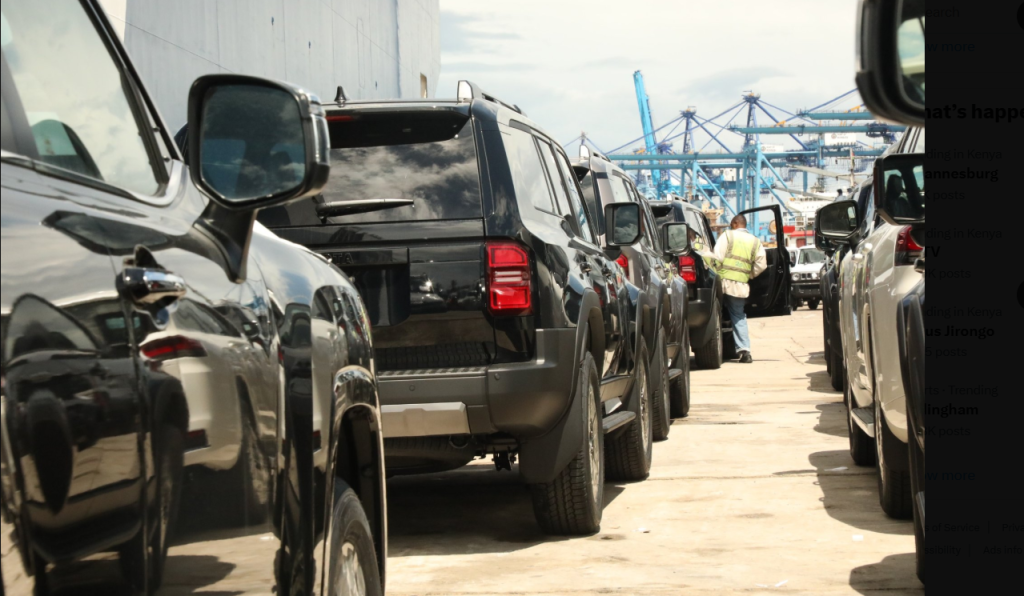
Re-registering an ex-diplomatic vehicle in Kenya is a mandatory process once a vehicle previously owned or used by a diplomatic mission is transferred to a private individual, company, or another entity. These vehicles enjoy special tax and registration privileges while under diplomatic use, but once sold or transferred, they must be regularized to comply with Kenyan law. The National Transport and Safety Authority (NTSA), working together with the Ministry of Foreign Affairs and the Kenya Revenue Authority, oversees this process.
What is an Ex-Diplomatic Vehicle
An ex-diplomatic vehicle is a motor vehicle that was registered under diplomatic status and issued with special number plates. These vehicles are usually tax-exempt during diplomatic use. When ownership changes, the vehicle must be converted from diplomatic registration to civilian registration through an official re-registration process.
Requirements for Re-Registering an Ex-Diplomatic Vehicle
Several documents are required to confirm the legality of the vehicle, the approval of authorities, and the eligibility of the buyer and seller.
Key requirements include:
- A filled Form A approved by the Ministry of Foreign Affairs
- A filled Form C approved by the Ministry of Foreign Affairs
- Original customs entry documents
- Original payment receipt confirming applicable taxes and fees have been paid
- Original approved PRO 1B from the Ministry of Foreign Affairs
- Original approved PRO 1C from the Ministry of Foreign Affairs
- Original logbook of the vehicle
- Valid KRA PIN certificates for both the buyer and the seller
- Valid diplomatic identification for both buyer and seller where applicable
- Surrender of the diplomatic number plates at the designated collection point
It is important to note that PRO 1B is required in cases where both parties, the buyer and the seller, qualify for duty-free vehicles. Where duty is applicable, the relevant taxes must be fully paid before the process can proceed.
Online Application Process via NTSA TIMS
The re-registration application is done online through the NTSA Transport Integrated Management System (TIMS). The system allows applicants to submit details, make payments, and track progress.
The process begins by logging into the NTSA portal at serviceportal.ntsa.go.ke. Once logged in, the applicant selects the motor vehicle services option and chooses motor vehicle re-registration. The system will prompt the user to enter the vehicle details and search for the record using the KRA PIN.
Applicants then select the new number plate type and attach all required documents. At this stage, accuracy is critical because incorrect details or missing documents can lead to rejection or delays.
After reviewing the information, the applicant must tick the declaration and submit the application. Payments for re-registration and inspection fees are made through the available payment options on the portal.
Buyer and Seller Notifications
Both the buyer and the seller play an active role in the process. Once the application is submitted, the buyer is required to log into their NTSA account and accept or decline the consent notification. Without this confirmation, the process cannot move forward.
The seller will also receive a notification prompting them to book a re-registration inspection. After inspection, the seller must log back into their NTSA account to confirm the inspection details and proceed.
Inspection and Verification
The vehicle must be presented at an authorized inspection centre. During inspection, officials verify the chassis number, engine number, and general condition of the vehicle. After inspection, all original physical documents must be submitted for verification.
Applicants are required to select their preferred inspection centre and date during the application process.
Approval and Number Plate Allocation
Once inspection and document verification are completed, NTSA reviews the application. If everything is in order, approval is granted and new civilian number plates are allocated. The applicant is then notified on when and where to collect the logbook and number plates.
Also Read: KRA collects Sh307 billion in December exceeding Sh285 billion revenue target