

Rituals Of Return: How Creating Small Home Rituals Anchors Us When We’ve Wandered Emotionally

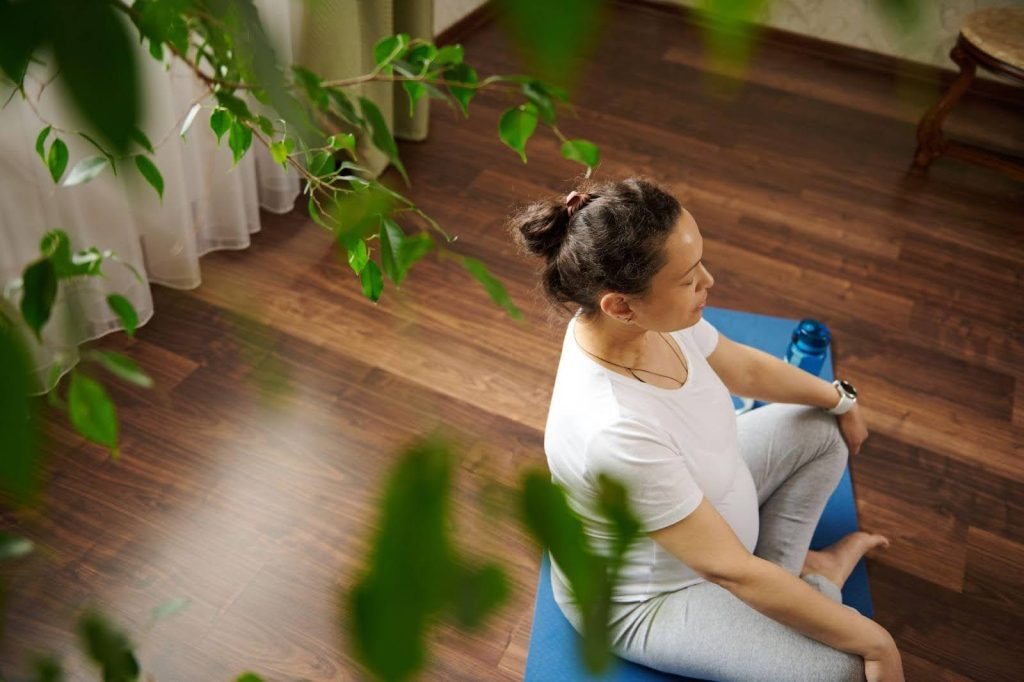
How Creating Small Home Rituals Anchors Us When We’ve Wandered Emotionally
Life pulls us in countless directions, deadlines, responsibilities, digital distractions, and the silent weight of uncertainty. It’s easy to drift away from ourselves, to become a stranger in our own homes and minds. Yet within the chaos, there are quiet ways to find our way back. Sometimes, it’s through small, grounding rituals that remind us who we are beneath the noise.
Even simple sensory experiences can trigger that return. Lighting a candle, making tea, or curling up with something cozy like Snoozy can serve as gentle cues that it’s time to slow down. These moments are not about productivity, they’re about presence. They tell the body and mind, “You are safe to arrive here again.”
The Emotional Drift Of Modern Life
The pace of modern life leaves little room for pause. Our days are fragmented between constant connectivity and endless multitasking. Over time, this rhythm breeds emotional distance, not only from others but from ourselves.
When we live in reaction to notifications, deadlines, and external noise, our inner voice grows faint. Psychologists describe this as “dissociation lite”, the subtle numbing that comes from chronic distraction. We function, but without depth. We perform, but without feeling.
Rituals of return exist to reverse that pattern. They are not about control or perfection but about remembering. A ritual, no matter how small, creates a boundary in time, a space where we can come home to ourselves.
The Psychology Of Ritual
Human beings are wired for ritual. Anthropologists have found that across all cultures, rituals serve as anchors of meaning and belonging. They give structure to experience and help us integrate change.
In modern psychology, ritual has been linked to improved mental resilience and emotional regulation. A study published by the National Library of Medicine found that small, repeated acts of intentionality reduce anxiety and restore a sense of stability in uncertain conditions. The reason is simple: ritual gives us agency. It allows us to create predictability in a world that often feels unpredictable.
Even a brief, symbolic act, lighting incense, stretching, or taking a slow breath, reminds the nervous system that safety exists here and now.
The Home As A Sanctuary
Our homes can either amplify chaos or cultivate calm. When treated as sacred spaces, they become extensions of our inner world, reflections of what we need most.
The key lies in designing moments of stillness into the rhythm of daily life. For example:
- Morning Grounding: Begin the day not with a screen but with a single mindful act, opening a window, sipping warm water, or journaling one sentence of intention.
- Midday Reset: Step away from work to stand near a source of natural light or to breathe deeply for sixty seconds.
- Evening Release: Create a ritual that signals closure, dimming lights, wrapping yourself in a comforting blanket, or preparing a calming beverage.
These small acts remind your body that home is not just a place, it’s a state of being.
Anchoring The Senses
One reason rituals are so effective is that they engage the senses, sight, sound, touch, scent, and taste. The sensory system has a direct line to the emotional centers of the brain. When we connect with familiar sensory cues, we activate feelings of safety and belonging.
A textured throw, a soothing fragrance, or the soft glow of a lamp can all become anchors of presence. Touch, in particular, is profoundly grounding. Weighted blankets, warm fabrics, and tactile comforts calm the body’s stress response.
According to the American Psychological Association, sensory-based grounding practices help reduce anxiety by shifting attention from abstract thought to immediate experience. This is why simple physical rituals, washing your hands slowly, lighting a candle, or wrapping yourself in warmth, can bring you back to yourself when your thoughts spiral elsewhere.
Rituals As Emotional Navigation
Rituals work not because they are mystical but because they are consistent. They help the mind recognize transitions, from work to rest, stress to calm, solitude to connection. When practiced regularly, these transitions become emotional pathways home.
Consider, for instance, how certain smells evoke vivid memories. The scent of rain, coffee, or an old book can transport you instantly to another time. Rituals function in the same way, they imprint meaning onto moments.
Returning to a nightly routine, no matter how simple, is like marking a breadcrumb trail through the forest of daily chaos. Each act whispers: “You’ve been here before. You can find your way back again.”
Creating Your Own Ritual Of Return
There’s no formula for the perfect ritual, it’s deeply personal. The most effective ones are those that resonate with your body’s natural rhythm and emotional needs. To create your own, consider the following framework:
- Identify When You Feel Most Disconnected. Is it after work, before bed, or when you wake up? That’s the moment your ritual should address.
- Choose A Sensory Cue. This could be touch (a warm blanket), sound (soft music), or scent (lavender oil).
- Keep It Simple. A ritual that takes less than five minutes can still be powerful if performed with intention.
- Repeat. Consistency transforms behavior into grounding. Over time, your body will associate the act with emotional return.
The beauty of ritual is that it requires no external validation. It’s not for performance; it’s for peace.
Returning As A Practice
The truth is, we will always wander. Life’s complexity ensures that. But wandering doesn’t mean we’re lost, it simply means we need reminders to return.
Each small act of awareness, each mindful ritual, is an invitation to come back, to ourselves, to the moment, to what matters most.
When we create these anchors in our home and routine, we transform ordinary spaces into sanctuaries of renewal. The chaos outside may persist, but within our chosen rituals, serenity becomes possible, again and again.