

Robert Rubin Net Worth

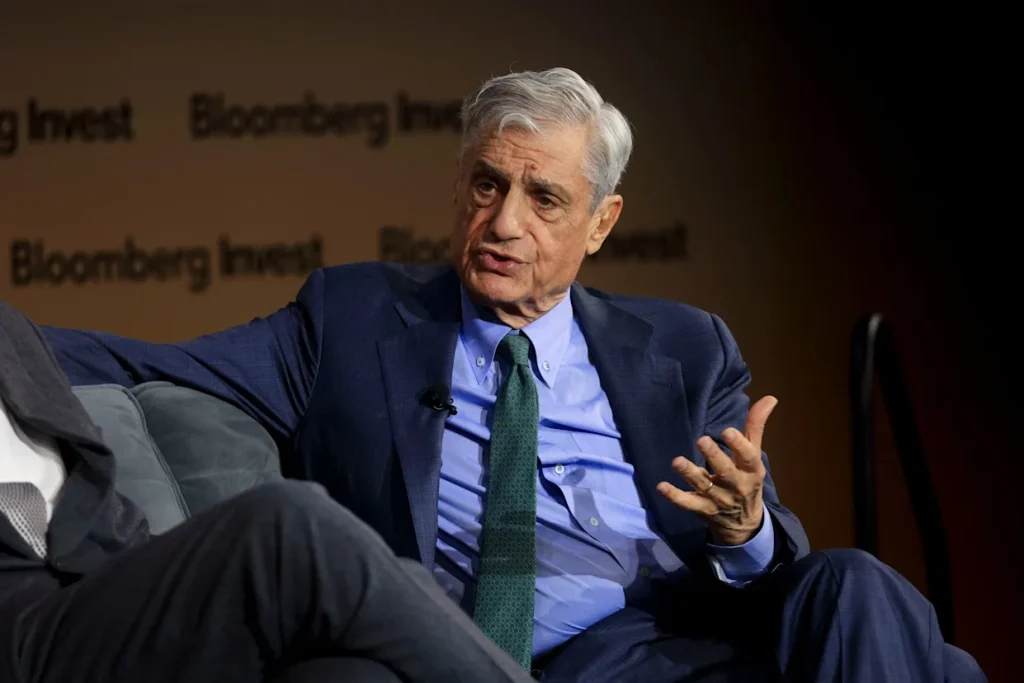
Robert Rubin is an American economist, banker, and former government official who has an estimated net worth of $200 million.
Rubin amassed much of his fortune through a long and influential career in finance, particularly at Goldman Sachs and later Citigroup. He is also widely recognized for serving as U.S. Treasury Secretary during President Bill Clinton’s administration, where he played a key role in shaping the economic policies of the 1990s.
| Robert Rubin Net Worth | $200 Million |
| Date of Birth | August 29, 1938 |
| Place of Birth | New York City |
Robert Rubin’s Wealth and Salary
Rubin built substantial wealth through executive roles on Wall Street.
After joining Goldman Sachs in 1966, he steadily climbed the ranks and became a general partner in 1971. By the late 1980s, he had risen to vice chairman and co-chief operating officer, before eventually becoming co-chairman and co-senior partner in 1990.
His earnings soared after leaving public office in 1999 to join Citigroup. Rubin reportedly earned $21 million in his first year at the financial giant and made roughly $50 million over the following two years.
Between 2007 and 2009, during the global financial crisis, Rubin earned approximately $126 million in salary and compensation, sparking criticism from economists and lawmakers who argued that financial deregulation policies he supported contributed to the crisis.
Early Life
Robert Rubin was born on August 29, 1938, in New York City to Jewish parents, Sylvia and Alexander Rubin.
His family later moved to Miami Beach, Florida, where he attended Miami Beach High School.
Rubin graduated summa cum laude from Harvard University in 1960 with a degree in economics. Although he briefly enrolled at Harvard Law School, he left after only a few days.
He later studied at the London School of Economics before returning to the United States to earn a law degree from Yale Law School.
Rise at Goldman Sachs
Rubin began his professional career as a lawyer at a New York law firm before moving into banking in 1966, when he joined Goldman Sachs as an associate in the risk arbitrage department.
Over the next two decades, he became one of the firm’s top executives, eventually serving as vice chairman and co-chief operating officer.
His leadership at Goldman Sachs helped cement his reputation as one of Wall Street’s most influential financial strategists.
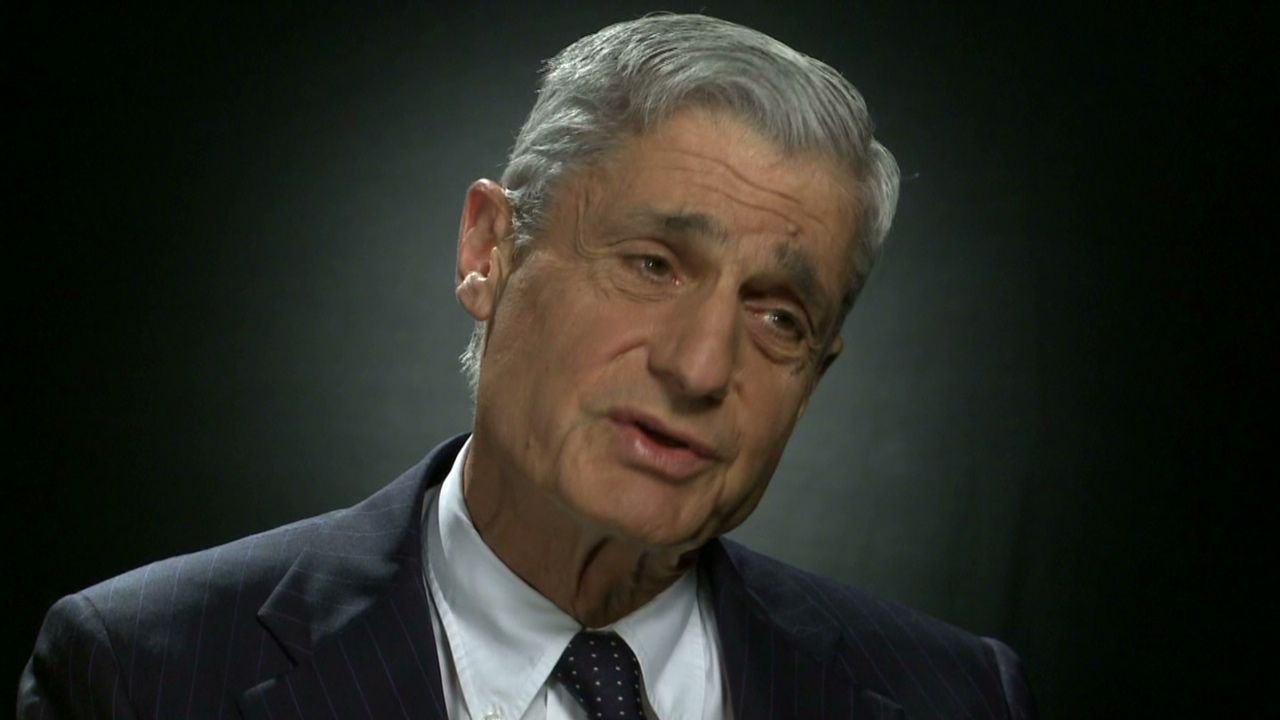

Robert Rubin in the Clinton Administration
In 1993, Rubin joined the Clinton administration as Assistant to the President for Economic Policy and director of the National Economic Council.
He played a central role in shaping President Clinton’s economic agenda, including the 1993 Deficit Reduction Act, which contributed to strong economic growth and budget surpluses during the decade.
Due to his success, Clinton appointed Rubin Treasury Secretary in 1995.
As Treasury Secretary, Rubin became a leading architect of America’s booming economy during the late 1990s. His tenure coincided with strong job growth, rising stock markets, low inflation, and efforts to balance the federal budget.
He also supported community development initiatives aimed at boosting investment in struggling urban and rural areas.
The Glass-Steagall Debate
Rubin remains one of the most debated economic figures of his generation.
He supported repealing the Glass-Steagall Act, a Depression-era law that separated commercial banking from investment banking. Critics later argued that removing those restrictions contributed to excessive risk-taking that fueled the 2007–2008 financial crisis.
Some analysts also criticized Rubin for opposing stricter regulation of credit derivatives while serving in government, saying those financial products played a major role in the eventual market collapse.
Citigroup Years
After leaving government in 1999, Rubin joined Citigroup’s leadership team with a highly lucrative compensation package that reportedly included a guaranteed multimillion-dollar salary and access to private corporate jets.
However, his time at Citigroup later came under scrutiny after the company suffered enormous losses during the financial crisis.
Citigroup ultimately received a $45 billion federal bailout through the Troubled Asset Relief Program (TARP), alongside hundreds of billions in government guarantees to prevent collapse.
Rubin resigned from the company in 2009 amid growing criticism over the bank’s risk exposure and leadership decisions.
Other Work
Outside of banking and government, Rubin has remained influential in policy and academia.
He co-founded the Hamilton Project, an economic policy initiative focused on promoting long-term growth and opportunity.
Rubin has also served on the board of Harvard Corporation and worked as a senior counselor at investment advisory firm Centerview Partners.
Additionally, he has held leadership roles with charitable and healthcare organizations, including the Mount Sinai Health System.
Personal Life
Rubin is married to Judith Oxenberg Rubin, and the couple has two sons, James and Philip.
For many years, the family belonged to a synagogue community in Miami Beach, maintaining strong ties to the area where Rubin spent much of his youth.
Also Read: Alan Greenspan Net Worth

