

Robert Smith Net Worth

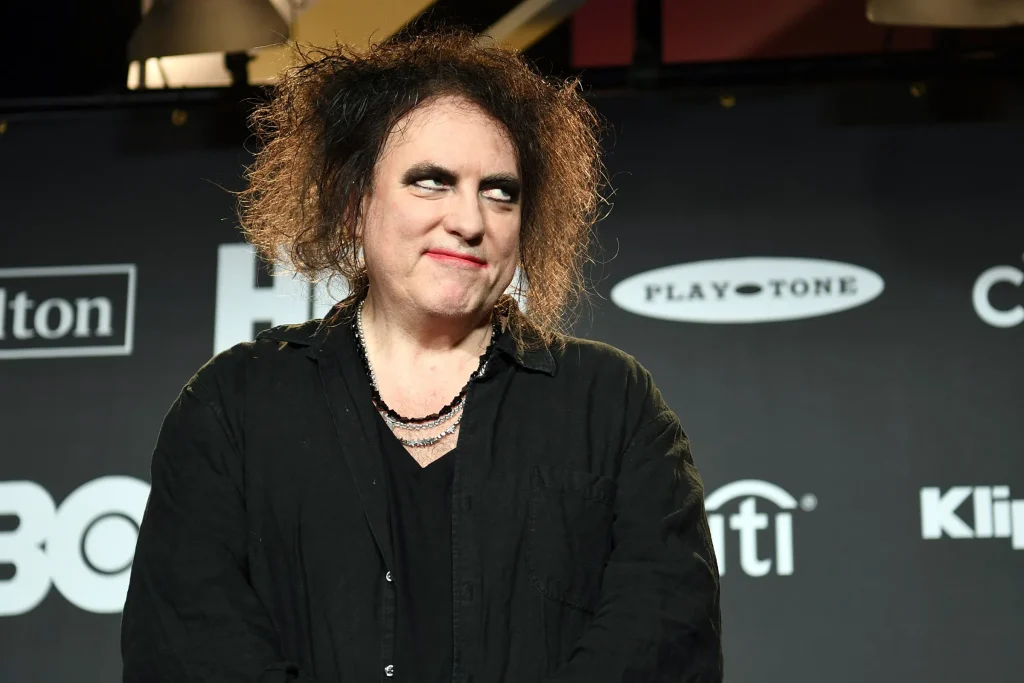
Robert Smith has an estimated net worth of $25 million. The English musician built his wealth through his long career as the lead singer, guitarist and principal songwriter of The Cure, one of the most influential rock bands to emerge from the late-1970s post-punk scene. Over more than four decades, Smith has earned recognition and income through album sales, music publishing, touring, live performances and collaborations with other artists.
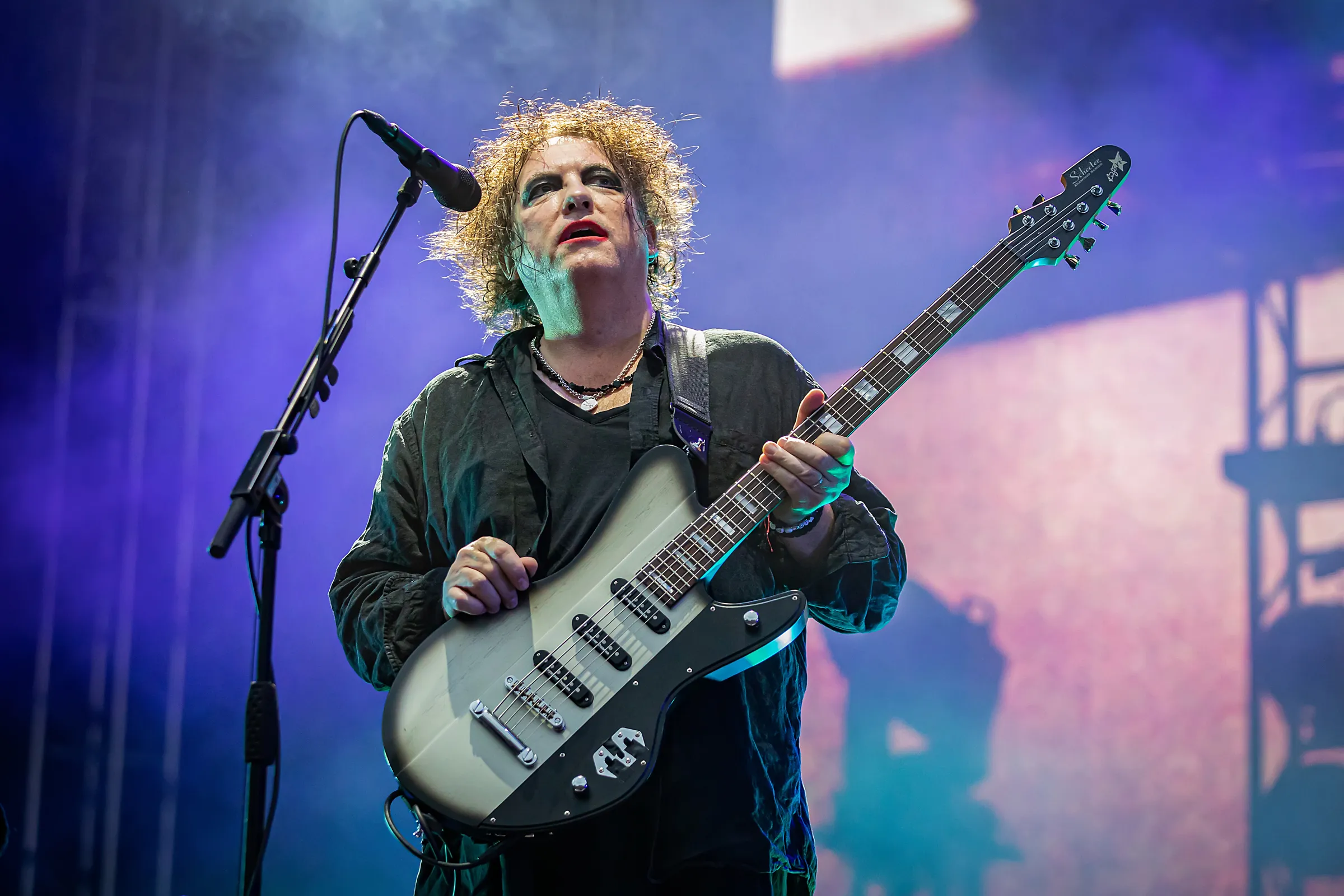
Smith is known for his distinctive voice, emotionally charged lyrics and guitar-driven sound. His signature appearance, featuring teased black hair, dark eyeliner and red lipstick, also made him an enduring figure in alternative music and gothic culture. With The Cure, he helped create a catalogue of songs that ranges from dark, atmospheric compositions to upbeat pop-rock hits.
The band’s commercial success, combined with Smith’s role as its primary songwriter and frontman, has been central to his financial standing. Albums such as Disintegration and Kiss Me, Kiss Me, Kiss Me helped establish The Cure as an international act, while songs including “Lovesong,” “Just Like Heaven” and “Friday I’m in Love” introduced its music to wider audiences.
| Robert Smith Net Worth | $25 Million |
| Date of Birth | April 21, 1959 |
| Place of Birth | Blackpool, England |
Early Life
Robert Smith was born on April 21, 1959, in Blackpool, England. He was the third of four children born to James and Rita Smith. His siblings are Richard, Margaret and Janet, with the latter showing considerable musical ability at a young age. Both parents had musical interests, giving Smith an early connection to music.
When he was three years old, Smith moved with his family to Horley. He attended St. Francis’ Primary School before continuing his education at St. Francis’ Junior School after another family move to Crawley. He later studied at Notre Dame Middle School between 1970 and 1972 and St. Wilfrid’s Comprehensive School from 1972 to 1977.
Smith developed an interest in music while still a student. He learned to play the piano and guitar and began performing with schoolmates in several groups. These early experiences helped him develop the musical skills and songwriting interests that would later shape his career.
During his school years, Smith participated in bands that eventually evolved into The Cure. His time at school ended before he completed his education, with accounts differing over the circumstances surrounding his departure. His commitment to music, however, continued to grow, setting the stage for his entry into the British post-punk scene.
International Success and the Success of Disintegration
The Cure reached a broader international audience with the release of Kiss Me, Kiss Me, Kiss Me in 1987. The album became the band’s first to enter the top 40 of the US Billboard 200, marking an important step in its expansion beyond the United Kingdom.
The band’s success grew further with Disintegration, released in 1989. Widely regarded as one of The Cure’s most important albums, it reached number three on the UK Albums Chart and number 12 in the United States. It also produced several successful singles, including “Lovesong” and “Pictures of You.”
Smith’s songwriting was central to the album’s impact. Its emotional themes, layered arrangements and atmospheric production helped establish it as a landmark release in alternative rock. The enduring popularity of its songs has kept the album relevant to new generations of listeners.
Although The Cure became associated with melancholy and gothic imagery, Smith also demonstrated an ability to write accessible pop songs. “Just Like Heaven” became one of the band’s best-known tracks, while “Friday I’m in Love” introduced a brighter, more upbeat sound.
This combination of darker alternative rock and melodic pop helped The Cure reach different audiences. The band’s broad appeal strengthened its commercial position and contributed to Smith’s long-term earning potential.
Album Sales, Touring and Music Royalties
Robert Smith’s estimated net worth reflects a career built around the continuing success of The Cure rather than a single commercial breakthrough. The band has released numerous studio albums, live recordings, compilations, extended plays and non-album singles.
Following Disintegration, The Cure released albums including Wish, Wild Mood Swings, Bloodflowers, The Cure and 4:13 Dream. These projects extended the band’s recording career and gave fans additional material to discover and purchase.
Touring has also been an important part of The Cure’s career. Live performances allow established bands to generate revenue through ticket sales, merchandise and related commercial arrangements. For an act with a large international following and a catalogue spanning several decades, touring can remain a significant source of income long after its earliest releases.
Music royalties provide another potential revenue stream. Songwriters and rights holders may earn money when their compositions are streamed, broadcast, performed publicly or used in other licensed settings. Because Smith has written or co-written much of The Cure’s material, songwriting and publishing rights are important considerations when assessing his financial success.
However, the precise amount Smith earns from album sales, touring and royalties has not been publicly established in the information provided. His estimated net worth should therefore be treated as an overall valuation rather than a confirmed breakdown of his assets and annual income.

Other Music Projects and Collaborations
Although The Cure has been the foundation of Smith’s career, he has also worked with other musicians and explored projects outside the band.
In 1979, he toured with Siouxsie and the Banshees, a prominent British post-punk group. He later served as the band’s lead guitarist from 1982 to 1984. The experience allowed him to work within another influential act while continuing to develop his own musical identity.
In 1983, Smith teamed up with Siouxsie and the Banshees bassist Steven Severin to form The Glove. The project released its only studio album, Blue Sunshine, that year. The record gave Smith an opportunity to explore musical ideas beyond The Cure’s established sound.
Smith has also collaborated with artists and groups including And Also the Trees, Cranes, Junkie XL, Blink-182, Faithless and Gorillaz. He later formed COGASM with fellow Cure musicians Jason Cooper and Reeves Gabrels.
These projects expanded Smith’s creative reach and reinforced his reputation among musicians across different genres. While the individual financial contributions of these collaborations are not publicly detailed, they form part of his wider professional career.
Influence on Gothic Rock and Popular Culture
Smith’s influence extends beyond his work as a musician. His pale complexion, black clothing, dark eyeliner, smeared red lipstick and distinctive black hair became closely associated with The Cure’s image.
The look helped shape the visual identity of gothic rock and influenced the wider goth subculture. Smith’s appearance became so recognisable that it developed into a cultural reference point beyond the band’s music.
His influence has also been associated with fictional characters, including Edward Scissorhands, created by filmmaker Tim Burton, as well as characters connected to Neil Gaiman’s The Sandman and James O’Barr’s The Crow. These associations reflect the broader impact of Smith’s visual style and the atmosphere surrounding The Cure’s music.
The band’s influence was formally recognised in 2019 when The Cure was inducted into the Rock and Roll Hall of Fame. The honour acknowledged the group’s contribution to rock music and its lasting effect on subsequent generations of artists.
Such recognition has helped preserve The Cure’s position in music history, while its established catalogue continues to attract listeners around the world.
Personal Life
Robert Smith married Mary Poole in 1988. The two had known each other since their school days at St. Wilfrid’s Comprehensive School. They do not have children together.
Despite his public profile, Smith has generally maintained a relatively private personal life. Much of his public identity has centred on his music, songwriting and performances rather than frequent appearances in celebrity news.
His long marriage and continued involvement with The Cure have accompanied a career that has remained active across changing musical trends. The band’s ability to retain its identity while reaching new audiences has helped sustain Smith’s reputation as one of alternative rock’s most recognisable figures.
Also Read: Fred Smith Net Worth

