

Ruto announces extension of Rironi-Mau Summit Highway to Malaba border

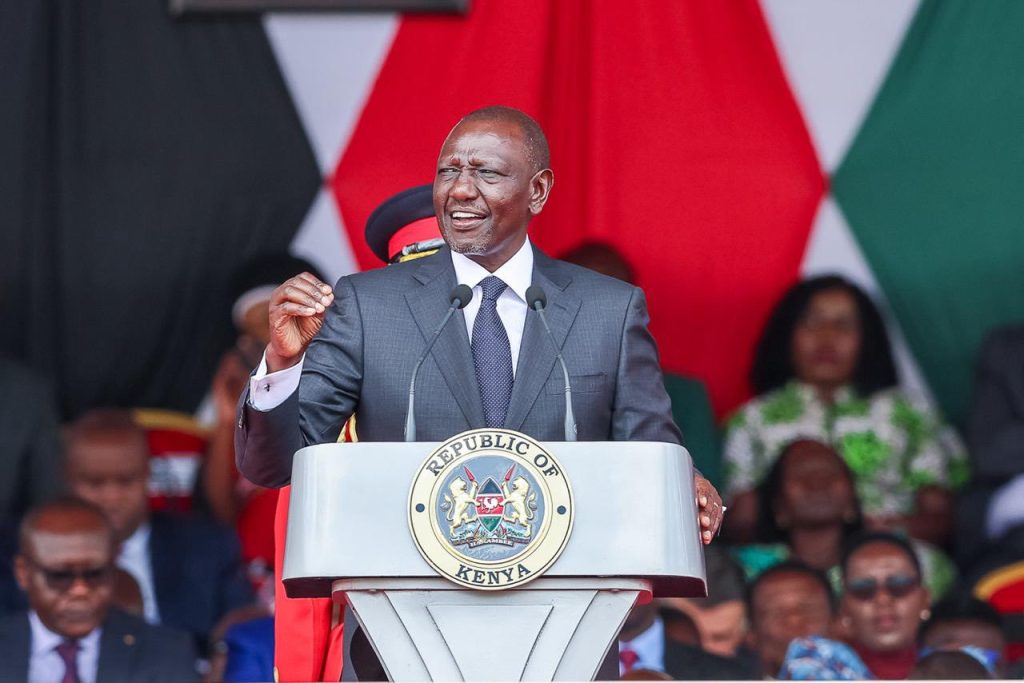
President William Ruto has announced that the Rironi-Mau Summit Highway will be extended to Eldoret, Bungoma and the Malaba border as part of the government’s efforts to improve transport connectivity and boost economic growth in western Kenya.
Speaking on Friday while hosting grassroots leaders from Bungoma County, led by Kimilili MP Didmus Barasa, at State House, Nairobi, the President said the road extension will improve the movement of people and goods while unlocking the region’s economic potential.
“The Rironi-Mau Summit road will be extended to Eldoret, Bungoma and the Malaba border to ease movement and unlock the region’s economic potential,” Ruto said.
The ongoing Rironi-Mau Summit Highway project is a 233-kilometre expansion of a key section of Kenya’s Northern Corridor. The highway will be upgraded to between four and six lanes to ease traffic congestion, reduce travel time and facilitate regional trade.
The Sh172 billion project is being implemented through a Public-Private Partnership (PPP) model by China Road and Bridge Corporation (CRBC) and Shandong Hi-Speed. Under the arrangement, the two firms will finance, construct, operate and maintain the highway before eventually transferring it back to the government.
Motorists using the highway will pay a toll estimated at about Sh8 per kilometre, with the project expected to be completed between April and June 2027.
The President also highlighted several development projects being undertaken in Bungoma County, saying the government is investing heavily in housing, healthcare and agriculture to spur economic growth.
He said the government has committed Sh30 billion towards affordable housing projects across the county, including the construction of an 18,000-unit smart city in Bungoma Town, 15 modern markets and student hostels.
“To enhance access to quality healthcare, Sh8 billion has been secured for the construction of a Level 6 hospital in Bungoma,” Ruto said.
The President further said reforms in the sugar sector had improved the livelihoods of farmers by ensuring cane growers receive better and timely payments.
He noted that the reforms have strengthened the sugar industry across Bungoma County and other sugar-growing regions, contributing to increased incomes for farmers and improved productivity.

