

Ruto Orders Integration of Madrassa and Duksi Learning Into Kenya’s Formal Education System

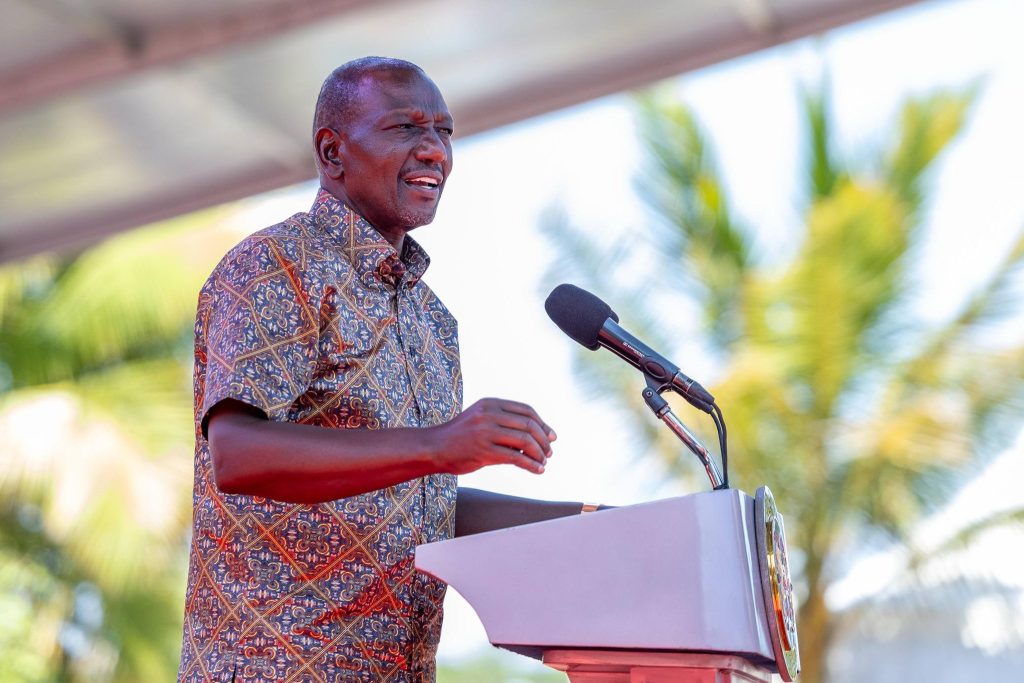
President William Ruto has directed the Ministry of Education to begin reforms aimed at integrating madrassa, duksi and other alternative learning programmes into Kenya’s formal education system.
Speaking during the 62nd Madaraka Day celebrations in Wajir County on Sunday, June 1, the President instructed Education Cabinet Secretary Julius Ogamba to initiate consultations and develop proposals for the formal recognition of informal and religious learning pathways under the Basic Education Act.
Ruto said the move is intended to ensure that no child is excluded from education because of geographical location, historical marginalisation or the lack of recognition of alternative learning systems.
“Some children in northern Kenya and other marginalised regions remain outside the formal education system because of certain alternative learning pathways that have not been adequately recognised and accommodated within our education framework,” the President said.
He directed the Education Ministry to engage all relevant stakeholders and recommend measures that would facilitate the integration of madrassa education, duksi learning and pastoralist instruction programmes into the national education framework.
“Today, I direct the Education Cabinet Secretary to engage all relevant stakeholders and take the necessary measures under the Basic Education Act to consult widely and recommend appropriate measures for the formal integration of the same,” Ruto stated.
The Head of State noted that despite government investments in school infrastructure, teacher recruitment and digital connectivity, particularly in arid and semi-arid regions, a significant number of children remain outside the formal education system because their learning structures are not fully recognised.
“This challenge is particularly evident in the absence of a clear framework to recognise and integrate duksi, madrassa and pastoral instruction programmes into the national education system,” he said.
Ruto said the proposed reforms should guarantee all children, regardless of their background or circumstances, access to recognised educational pathways, skills development opportunities and future employment prospects.
If implemented, the reforms would see madrassa and duksi programmes formally recognised under Kenya’s education laws and incorporated into the country’s broader learning framework.
Madrassa is an Islamic learning system that focuses on religious education and Quranic studies, while duksi refers to traditional Islamic instruction commonly offered in Muslim communities, particularly in northern Kenya and along the Coast. Both systems currently operate outside the formal education structure.

