

Sakaja Proposes Penalties For Water Users Blocking Access To Meters In Nairobi

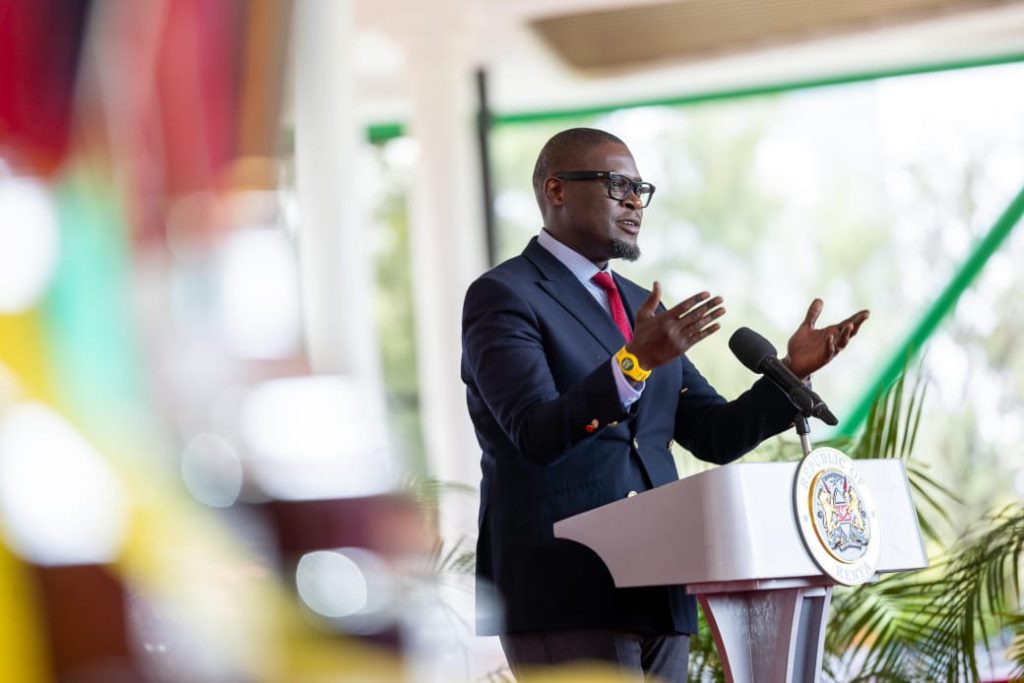
Nairobi Governor Johnson Sakaja has proposed introducing penalties for residents who prevent access to water meters, as concerns grow over revenue losses linked to unread meters.
While appearing before the Senate County Public Investment and Special Funds Committee on Monday, Sakaja acknowledged the challenge of accessing meters in some homes. He said the Nairobi City Water and Sewerage Company (NCWSC) is often unable to read about 15,000 of its 250,000 meters due to restricted access.
“Sometimes meter readers are denied access by domestic workers who have been instructed not to allow them in. In other cases, the homeowners are simply not available,” Sakaja said.
To resolve the issue, the governor said Nairobi Water has been encouraging self-meter reading by sending SMS reminders to customers. He added that the utility is also relocating meters to areas outside gates for easier access.
Sakaja now wants penalties introduced for customers who intentionally block access to their meters, a move he believes will boost accountability and improve billing.
“We are also considering rolling out smart meters. While a normal meter costs Sh3,500, the smart version is Sh15,000. So we are reviewing the financial implications,” Sakaja told the committee.
Nairobi Water Managing Director Eng. Nahashon Muguna, who accompanied the governor, confirmed that while most meters are read monthly, access to about 15,000 remains difficult.
“Our teams sometimes get turned away by house helps acting on strict instructions. That’s why we’ve started relocating meters outside compounds,” Muguna said.
He echoed Sakaja’s sentiments on smart meters, saying they are more accurate but expensive to roll out citywide.
“Smart meters are five times more costly, so we need to adopt them gradually,” he said.
Muguna also revealed that some of the biggest defaulters are public institutions, including schools, whose bills often remain unpaid for long periods.
“We rarely disconnect public schools, but the unpaid bills are becoming a serious issue,” he said.
Senators Edwin Sifuna (Nairobi), Eddy Oketch, and committee chair Godfrey Osotsi expressed concern over the potential loss of revenue caused by unread meters and unpaid bills.
“There’s a serious risk to Nairobi’s finances. We must seal all revenue loopholes, especially those caused by unread meters and uncollected debts,” Osotsi said.
Despite the challenges, Nairobi Water posted a record Sh11.7 billion in revenue in the 2024/2025 financial year. This is up from Sh10.75 billion the previous year and Sh9.46 billion in 2022/2023. Before Governor Sakaja’s reforms in 2022, annual revenue had stalled at about Sh8 billion.