

Seniors Living Alone: 5 Key Concerns and Solutions

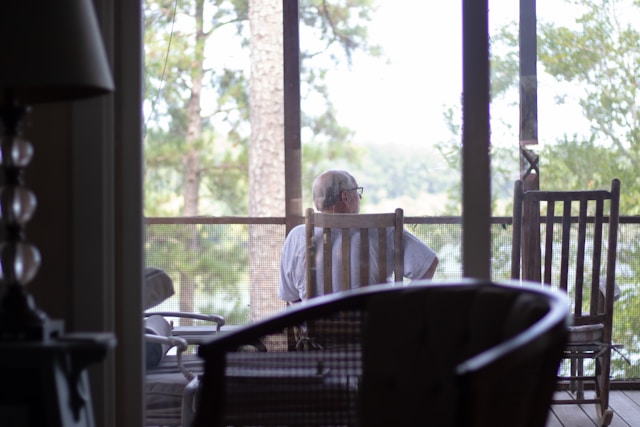
Seniors Living Alone
Europe is experiencing a growing trend towards an ageing population. In 2022, seniors made up about 19% of the population, and that number is expected to rise to 27% by 2072. Whether by choice or circumstance, around one-third of seniors in the UK live alone. These statistics highlight the urgent need to prioritise the safety and security of this vulnerable segment of society.
We all want our senior loved ones to enjoy living independently while they can. However, with the physical and in some cases, mental decline that comes with age, it is crucial that we take every measure to ensure their safety and security. For this reason, it is best to implement these solutions with the help of professionals.
For this blog, we sought the expert advice of a skilled locksmith at Lock & Key to gain insights on these concerns and the best ways to address them. Our aim is for both you and your senior loved one to have peace of mind – knowing their safety is well-guared and that they’re prepared for any emergency.
The 5 Biggest Safety Risks for Seniors Living Alone and How to Fix Them
Falls and Accidents
Elderly people are highly prone to falls and accidents regardless of whether they live alone or not. NHS statistics show that one in every three in-three individuals over the age 65 experience a fall at least once a year. These accidents can sometimes result in fractures, joint dislocations, head injuries, and even death. The risk becomes more serious amongst those who live independently as contributing factors – physical, mental, and medical may go unmonitored and unmanaged, increasing their vulnerability to falls.
Solution:
Non-slip flooring is essential in living spaces for the elderly to reduce the risk of falling, particularly in the bathroom, kitchen, bedroom, and on the stairs. Installing grab bars in these places is also important. Since older people often have decreased balance and coordination, exercises that help them improve these abilities is also important.
Locksmiths highly advise investing in a personal alarm device, specifically one with a fall detector feature. These devices are designed to alert family members and monitoring or emergency services with a push of a button. They are typically worn around the neck like a pendant or on the wrist like a watch.
Medical Emergencies
The likelihood of experiencing a medical emergency, such as a sudden stroke or heart attack, is higher amongst older adults. Living alone increases the risk of these emergencies leading to severe outcomes – especially in cases where time is a critical factor.
Solution:
During medical emergencies a personal alarm plays a critical role. For elderly users with existing medical conditions such as diabetes, high blood pressure or heart disease, this device can be a literal lifesaver. Features like automatic fall detection, GPS tracking, and 24-hour monitoring can drastically cut-down emergency response time, increasing the chance of a positive outcome.
Fire Hazards
Being caught in a fire can be incredibly terrifying and due to the various age-related factors, seniors are less likely to survive it than younger individuals. This is why it is extremely important to put preventive measures in place. Older people are more prone to leaving candles and cooking unattended or falling asleep whilst smoking. There is also an increased risk of electrical malfunctions due to human error.
Solution:
Locksmiths stress the importance of ensuring that smoke alarms and fire extinguishers are in good working condition through regular inspections. The same applies to the home’s heating system which should be professionally checked once a year.
They also suggest having an escape plan focusing on showing the elderly individual where the fire exits are located and making sure they remember. And finally, as in the previous safety concerns, having a personal alarm is a must, as it can significantly speed up communication with emergency services.
Social Isolation
With the sudden change in lifestyle that comes with retirement, most elderly people find themselves with more free time and most of these alone. With being in the company of co-workers or even just the regular crowd on the bus no longer an everyday part of their lives, the sense of isolation begins to creep in.
Social connections are a crucial part of an individual’s wellbeing – not only physically but mentally. Isolation and loneliness causes stress which has been linked to increased risk of heart disease, stroke, and chronic illnesses. It also weakens the immune system and decreases physical functionality.
Loneliness also significantly contributes to the development of mental health issues such as depression, anxiety, suicide ideation, self-harm, decline in cognitive function, and even death.
Solution:
If you have an elderly friend or relative, keep in constant touch with them. Check in on them to see how they are doing and to monitor their health and safety. A personal visit is the best but if this is not possible, a phone or video call can still make a difference.
Link them up with local community groups – ones that involve their interests is ideal. If they are physically and medically able, encourage them to participate in volunteer work. Being involved can give them a sense of purpose,. which may help reduce or even eliminate feelings of isolation and loneliness.
Burglaries and Security Concerns
Next to single parents with young children living in urban areas, seniors are the second most targeted group by burglars in the UK. What’s even more concerning is that elderly individuals who have been victimised suffer trauma, humiliation, and a loss of confidence as a result. In fact, Home Office statistics reveal that older adults whose homes have been burgled have a higher likelihood of dying earlier than those who haven’t.
Solution:
Our security experts emphasise that all doors and windows should be fitted with high-quality locks that function properly and should always be kept locked. They also stress that having a security system in the home of seniors living alone is non-negotiable – and that all the surveillance hardware including cameras and alarms, should be professionally installed. This ensures the system’s reliability and provides full coverage of the premises.
They firmly warn seniors living alone never to let any stranger enter their home under any circumstances. They also recommend having a personal safety device which can be as simple as pepper spray to more advanced personal safety alarms with features such as loud panic alerts, real time GPS tracking, an SOS panic button, and discreet messaging.
Final Thoughts
Supporting our elderly loved ones who choose to live independently is one of the most meaningful and valuable ways we can care for them in their golden years. Giving them the best means addressing all the major risks that come with this lifestyle. By working with experienced locksmiths to implement all the essential safety and security devices and systems, you’re offering your loved one strong and reliable protection – support that may even add years to their life. To learn more, speak to a trusted locksmith today