

Shane McMahon Siblings: All About Stephanie McMahon

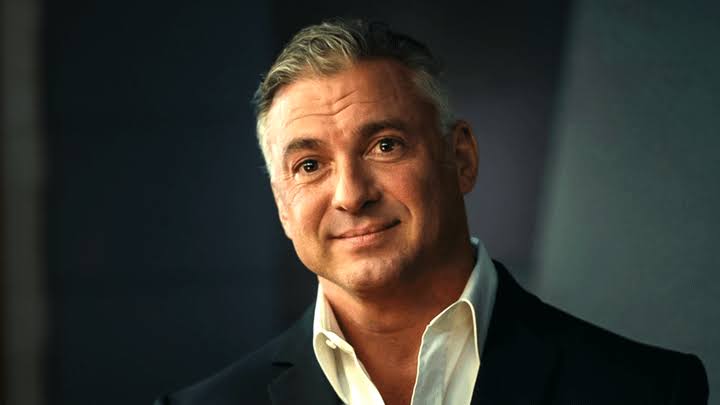
Wrestler and businessman Shane McMahon PHOTO/Reddit
Shane Brandon McMahon, born on January 15, 1970, in Gaithersburg, Maryland, stands as a prominent figure in the world of professional wrestling and business, deeply intertwined with the legacy of World Wrestling Entertainment (WWE).
As the eldest child of WWE co-founder Vince McMahon and former Small Business Administration head Linda McMahon, Shane grew up immersed in the wrestling industry, which his family helped transform into a global powerhouse.
A fourth-generation wrestling promoter, he began his professional journey at just 15 years old, starting humbly in the WWE warehouse by filling merchandise orders.
Over the decades, McMahon evolved from behind-the-scenes roles to on-screen stardom, blending athletic daring with executive acumen.
Married to Marissa Mazzola since 1996, he is a father of three sons and maintains a net worth estimated at around $200 million, derived from his WWE minority ownership, wrestling performances, and ventures like his former CEO role at YOU On Demand and executive chairmanship at Ideanomics.
Though he retired from WWE in 2024 following a string of sporadic appearances, Shane’s influence endures as a symbol of the McMahon family’s unyielding grip on sports entertainment.
Siblings
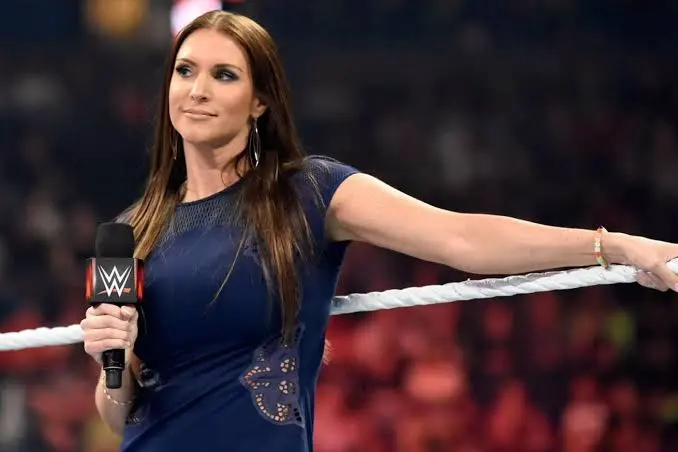
Shane has one sibling, his younger sister Stephanie McMahon.
Born on September 24, 1976, Stephanie has carved out an equally formidable path in WWE, serving as a former co-CEO, Chairwoman, and on-screen personality who married wrestler Paul “Triple H” Levesque and bore three daughters: Aurora Rose, Murphy Claire, and Vaughn Evelyn.
Stephanie’s executive prowess, including her role in creative direction and brand expansion, has frequently overshadowed Shane’s ventures outside the ring, yet their shared upbringing fostered a bond evident in joint appearances and mutual support during family crises, such as the 2007 “Mr. McMahon limo explosion” angle.
Career
McMahon’s career trajectory mirrors the explosive growth of WWE itself, marked by a seamless shift from operational grunt work to charismatic in-ring performer and strategic executive.
Entering WWE’s employ in 1985, he wore multiple hats: referee under the alias Shane Stevens during the inaugural 1988 Royal Rumble, the first to greet crowds at WrestleMania VI in 1990, and later a color commentator on Sunday Night Heat alongside Jim Cornette.
His true breakout came in the late 1990s Attitude Era, where he turned heel by aligning with his father against “Stone Cold” Steve Austin at Survivor Series 1998, joining The Corporation stable and capturing the WWF European Championship from X-Pac in 1999—a title he retired undefeated before reactivating it via storyline antics.
Also Read: Psycho Clown Siblings: Meet the Siblings Squad Behind the Mexican Wrestler

McMahon’s athletic flair shone in death-defying spots, like his 50-foot fall through the stage at SummerSlam 2000 while defending the WWF Hardcore Championship, and his infamous elbow drop off the Titantron against Big Show at WrestleMania 16.
The early 2000s saw Shane embody rebellion, purchasing WCW in the storyline “Invasion” arc and feuding intensely with Vince, culminating in a brutal Street Fight victory over his father at WrestleMania X-Seven in 2001.
Behind the scenes, he ascended to Executive Vice President of Global Media, overseeing international expansion until resigning in 2009 to helm YOU On Demand, a Chinese media firm where he served as CEO until 2013 and later as Executive Chairman until 2021.
His WWE returns injected fresh energy: in 2016, he reclaimed SmackDown as commissioner in a high-profile feud with Stephanie and Daniel Bryan; by 2018, he teamed with The Miz to win the SmackDown Tag Team Championship and captained Team WWE to victory in the World Cup, dubbing himself “Best in the World.”
Sporadic 2020s appearances included hosting RAW Underground and a steel cage loss to Braun Strowman at WrestleMania 37, ending with a quad injury at WrestleMania 39 in 2023.
Retiring in 2024, McMahon’s legacy blends boardroom savvy with ring-risking spectacle, influencing WWE’s global footprint even post-departure.
Accolades
In the ring, Shane secured four WWE championships: the WWF European Championship in 1999, defended against X-Pac at WrestleMania XV amid interference from allies like the Mean Street Posse and Triple H; the WWF Hardcore Championship that same year, relinquished after a dramatic SummerSlam plummet; the WWE SmackDown Tag Team Championship in 2019 alongside The Miz; and captaining Team WWE to triumph in the 2018 WWE World Cup, solidifying his self-proclaimed “Best in the World” moniker.
Beyond titles, Pro Wrestling Illustrated honored him with Rookie of the Year in 1999, though he humbly declined, insisting such awards belonged to full-time wrestlers—a nod to his hybrid status.
McMahon’s matches earned widespread acclaim, including a PWI Feud of the Year nod in 2001 for his visceral father-son rivalry with Vince, highlighted by their WrestleMania X-Seven Street Fight.
Iconic victories like toppling Big Show at WrestleMania 16, enduring Kurt Angle’s Olympic pedigree in a Last Man Standing bout at King of the Ring 2001, and his daring Hell in a Cell leap against The Undertaker at WrestleMania 32 in 2016 cemented his reputation for high-flying resilience.
Off-camera, his executive roles propelled WWE’s media empire, contributing to milestones like the 2008 “Million Dollar Mania” promotion and global partnerships during his EVP stint.