

Standoff looms as deported Zimbabwean activist lawyer Kagoro plans return to Nairobi

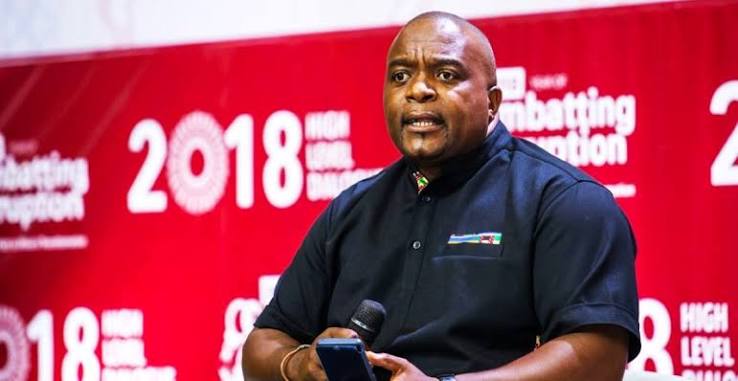
A standoff looms at the Jomo Kenyatta International Airport in Nairobi over the planned return of deported Zimbabwean activist Brian Bright Kagoro.
Kenyan Immigration officials deported Kagoro who is a constitutional lawyer after being accused of orchestrating a foreign-funded operation to destabilize the government through renewed street protests.
Kagoro, a renowned Pan-Africanist and the Africa Director of the Open Society Foundations, was denied entry into Kenya on February 22, 2026.
Kagoro, 51, was declared persona non grata and removed from Jomo Kenyatta International Airport in February 2026 after interrogation revealed what officials describe as a sophisticated political mobilization network bankrolled by international donors.
Following his deportation, a group of activists moved to court in Kenya to challenge the move.
A court declared the deportation illegal. This paved way for his return. Officials said Kagoro plans to return to Nairobi on September 15, 2026.
“Kenyan civil society organisations, human rights defenders and partners will gather at Jomo Kenyatta International Airport (JKIA) to receive Brian Kagoro, a renowned Pan-African lawyer, in a public show of solidarity and to witness the enforcement of a court order granting him entry into Kenya following his earlier deportation,” a statement read.
Kagoro has for decades been involved in governance, human rights and rule of law advocacy across Africa.
Officials described him as one of the continent’s most celebrated legal minds, with a track record in advancing civic engagement and democratic accountability.
Kagoro’s deportation ended more than two decades of engagement with Kenya’s civil society ecosystem.
A co-founder of the Crisis in Zimbabwe Coalition, he established a base in Nairobi in the mid-2000s as the city consolidated its position as a regional hub for governance programming and donor operations.
Unlike frontline protest leaders, Kagoro operated largely behind the scenes — convening strategy sessions, mentoring younger activists and linking regional networks.
Supporters described him as an intellectual anchor; critics see him as emblematic of foreign-directed influence in domestic politics.
Security officials insist the deportation reflected a broader policy shift barring foreign activists from engaging in what authorities interpret as political mobilisation inside Kenya.
A source said there were consultations on the way forward on the issue.
The deportation exposed the mechanics of how veteran activists leverage Kenya’s civic space to channel foreign resources into domestic unrest — and the government’s diminishing tolerance for such operations, officials said.
The deportation followed a decision reached by the top security organs that civil activists from foreign countries would not be allowed to engage in activities in Kenya.
Kagoro denied the allegations during interrogation, claiming his visit was for a family event and a speaking engagement on “critical minerals and artificial intelligence.” He acknowledged contacts with Kenyan activists but rejected coordination claims.
Security officials said Kagoro’s public activities — attending a Judiciary Accountability Report launch in December and a technology innovators’ forum in April — served as networking opportunities that advanced his operational objectives.
Investigators have identified Open Society Foundations — the philanthropic network founded by billionaire George Soros — as the institutional backer of Kagoro’s Africa-wide activities.
The foundation’s relationship with Nairobi is already toxic.
2024’s Gen Z protests triggered government scrutiny of foreign funding flows to civic groups, with officials openly questioning whether such philanthropy constitutes political interference.
Kagoro’s alleged operational methods match patterns that have drawn official ire elsewhere.

