

Steve Jobs Siblings: Getting to Know Patricia and Mona Simpson

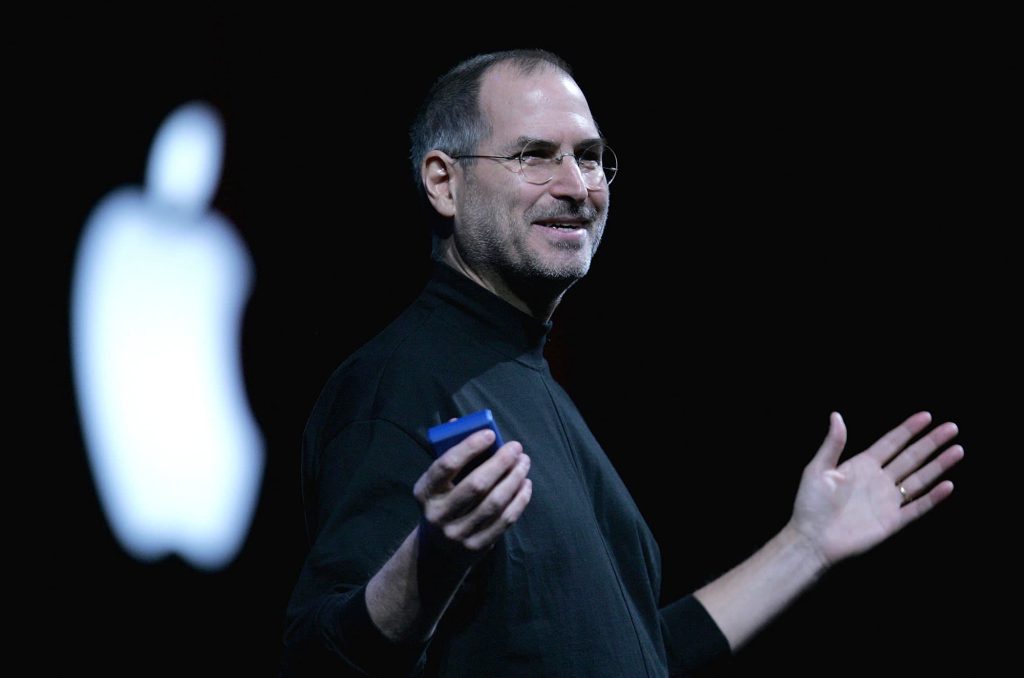
Steve Jobs PHOTO/NBC
Steve Jobs was a visionary entrepreneur and inventor widely regarded as one of the most influential figures in modern technology.
Born Steven Paul Jobs on February 24, 1955, in San Francisco, California, he co-founded Apple Inc. and played a pivotal role in revolutionizing personal computing, music, mobile phones, and animated filmmaking.
Adopted as an infant by Paul Reinhold Jobs, a machinist, and Clara Jobs, an accountant, he grew up in Mountain View, California, in a working-class family that nurtured his early interest in electronics and innovation.
Jobs attended Reed College briefly but dropped out, though he continued auditing classes that interested him, shaping his unique approach to design and creativity.
Siblings
Steve had two sisters from different family branches.
His adoptive parents later adopted a daughter named Patricia in 1957, who became his sister during childhood; they were raised together in the adoptive household, though Jobs later described their relationship as not particularly close.
His biological sister was the novelist Mona Simpson, born in 1957 to the same biological parents who had placed Jobs for adoption, Joanne Carole Schieble and Abdulfattah “John” Jandali.
Jobs’s biological parents married after his adoption and had Mona, but they later divorced.
Jobs did not meet Mona until he was in his late 20s, around 1985 or 1986, after discovering his biological origins following the death of his adoptive mother.
Also Read: Kevin Pearce Siblings: Get to Know Andrew, Adam and David

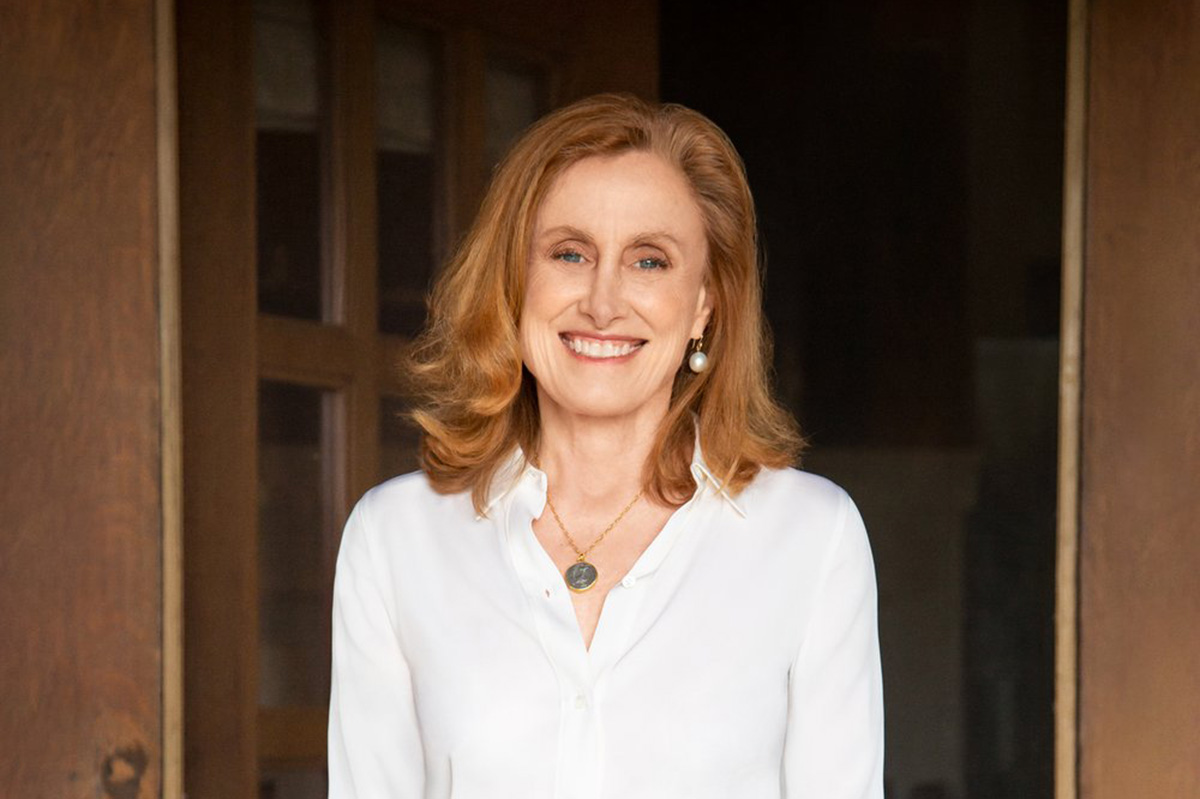
The siblings quickly formed a deep bond, becoming close friends; Mona dedicated her debut novel Anywhere But Here to her mother and “my brother Steve,” and she delivered a moving eulogy at his memorial service after his death in 2011.
Career
In 1976, Jobs co-founded Apple Computer with Steve Wozniak in his parents’ garage, launching the Apple I and then the revolutionary Apple II in 1977, which became one of the first highly successful mass-market personal computers and ignited the personal computing revolution.
After introducing the Macintosh in 1984, with its innovative graphical user interface and mouse, Jobs was ousted from Apple in 1985 amid internal conflicts.
He founded NeXT Computer, creating advanced workstations that influenced future technologies, and in 1986 acquired Pixar Animation Studios from Lucasfilm, turning it into a powerhouse that produced hits like Toy Story and revolutionized computer-animated films.
In 1997, Jobs returned to Apple as interim CEO (later permanent), steering the struggling company back to profitability with products such as the iMac, iPod (2001), iTunes, iPhone (2007), and iPad (2010).
These innovations not only revived Apple but also reshaped consumer electronics, digital music, smartphones, and tablet computing, making Apple one of the world’s most valuable companies.
Accolades
Jobs shared the National Medal of Technology with Steve Wozniak in 1985 for their role in developing the personal computer industry.
Other honors included induction into the California Hall of Fame, being named CEO of the Decade by Fortune magazine in 2009, and ranking as one of the most powerful and admired business figures in various surveys.
Posthumously, he was awarded the Presidential Medal of Freedom in 2022, the nation’s highest civilian honor, for his lasting impact on innovation and culture.
Jobs also held or co-held over 450 patents related to computing, interfaces, and design.