

Suspect arrested in Meru with 9.5kg elephant tusk

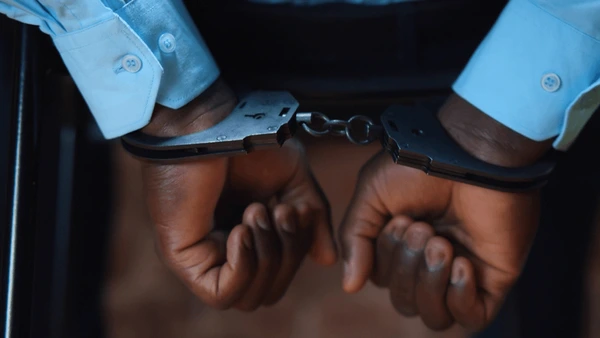
A 32-year-old man has been arrested in Meru County after Kenya Wildlife Service (KWS) officers intercepted him allegedly transporting a 9.5-kilogram elephant tusk valued at about Sh1 million.
The suspect was arrested on Friday evening at Kisima area in Buuri West Sub-County while riding a motorcycle.
According to police, a KWS officer based at the Meru Wildlife Service Station, received intelligence at about 7:30 p.m. that a man was transporting an elephant tusk from the Meru direction towards Nanyuki.
A team mounted an operation using a private vehicle and traced the suspect along the route.
The officers intercepted the motorcycle and recovered a single elephant tusk weighing approximately 9.5 kilograms.
The suspect was escorted to Subuiga Police Station, where he was booked into custody as investigations continue.
Police said the recovered wildlife trophy has been secured as an exhibit while the suspect is expected to face charges related to illegal possession and transportation of wildlife trophies under Kenya’s wildlife conservation laws.
Elephant tusks fetch a fortune in the black market as a surge in demand for ivory in the East continues to fuel the illicit trade in elephant tusks, especially from Africa.
Officials say despite a ban on the international trade in ivory, African elephants are still being poached in large numbers.
As part of efforts to stop the menace, Kenya has started using high-tech surveillance equipment, including drones, to track poachers and keep tabs on elephants and rhinos.
Kenya Wildlife Service and stakeholders have put in place mechanisms to eradicate all forms of wildlife crime, particularly poaching.
These mechanisms include enhanced community education, interagency collaboration, and intensive intelligence-led operations, among others.
These efforts led to zero rhino poaching in Kenya in 2020-the first time in about two decades.
On April 30, 2016, Kenya set ablaze 105 tonnes of elephant ivory and 1.35 tonnes of rhino horn.
Former President Uhuru Kenyatta led world leaders and conservationists in burning the remains of elephants and rhinos killed for their tusks and horn.
Parliament has also passed strict anti-poaching laws and the government has beefed up security at parks to stop poaching, which threatens the vital tourism industry.
Regionally, Kenya has also emerged as a major transit route for ivory destined for Asian markets from eastern and central Africa.
The illegal ivory trade is mostly fueled by demand in Asia and the Middle East, where elephant tusks and rhino horns are used to make ornaments and traditional medicines.