

The A-Z of Childhood Sleep Issues: Causes and Solutions

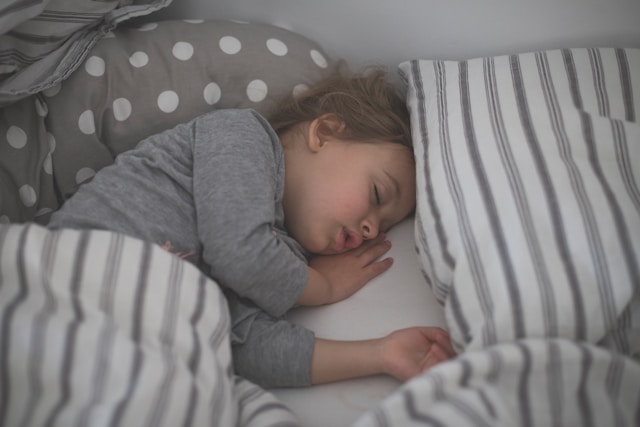
A-Z of Childhood Sleep Issues
Sleep is essential for a child’s growth, development and overall wellbeing. However, many children struggle with sleep issues ranging from difficulties falling asleep to night waking and early rising. As a parent or foster carer, lack of sleep can be exhausting and stressful. Understanding the potential causes and solutions for your child’s sleep problems is key. Here is an A-Z guide to common childhood sleep issues, their causes and how to tackle them.
Bedtime Resistance
Some children strongly resist going to bed at night. They may cry, throw tantrums or repeatedly get out of bed. This can be due to separation anxiety, excess energy or an inconsistent bedtime routine. Stick to a calming and consistent bedtime routine and use rewards like stories and cuddles for staying in bed. Seek advice from your fostering agency, such as Fostering People, if needed.
Difficulty Falling Asleep
Children who struggle to fall asleep may lie awake long after bedtime. Stress, underlying medical issues like allergies or ADHD and late naps can contribute. Ensuring the bedroom is dark, cool and quiet can help. Avoid screen time before bed and try relaxation techniques like deep breathing and visualisation.
Frequent Night Waking
Waking several times a night is common in young children but disruptive for sleep. Main causes include hunger, separation anxiety, noise or discomfort. For older children, dreams, sleep disorders or stress may disrupt sleep. Checking for underlying issues, keeping the bedroom comfortable and soothing your child to sleep can help minimise night wakings.
Early Morning Waking
Waking very early in the morning and not being able to go back to sleep is frustrating. An inconsistent sleep schedule, light exposure and biological clock changes around age 5-6 years can be to blame. Using blackout curtains, setting an earlier bedtime and providing comfort through rituals like stories help children fall back asleep.
Nightmares
Bad dreams that jolt a child awake often peak around ages 3-6 years. Stress, trauma, fever, some medications and films can trigger nightmares. Comfort your child after a scary dream and discuss daytime worries. Avoiding frightening movies/TV before bed and reading calming stories helps prevent nightmares.
Night Terrors
Night terrors are different from nightmares as children remain asleep but sit up crying or screaming in fear. They are common in preschoolers and are not remembered. Make sure your child is safe during a night terror but avoid waking them fully. Night terrors tend to resolve on their own by school age.
Sleepwalking
Also known as somnambulism, sleepwalking involves getting up and walking around while asleep. It peaks around age 8-12 years and runs in families. Gently guide your child back to bed without waking them fully during a sleepwalking episode. Ensuring sleep safety like closing doors/windows helps prevent injury. Consult your doctor if it persists.
Sleep Apnoea
This serious sleep disorder causes children to periodically stop breathing during sleep. Loud snoring, gasping and daytime sleepiness are signs. Sleep apnoea can impact growth and health. See your doctor immediately if you notice symptoms for an evaluation. Treatments like surgery to remove tonsils/adenoids or use of a CPAP machine can help.
Sleep issues can be challenging but support is available. Speak to your health visitor or GP and also inform your fostering agency if you are a foster carer. Consistent bedtime routines, healthy sleep habits and small changes tailored to your child’s needs often help overcome sleep problems. With time and patience, your child can learn to become a happy, rested sleeper.

