


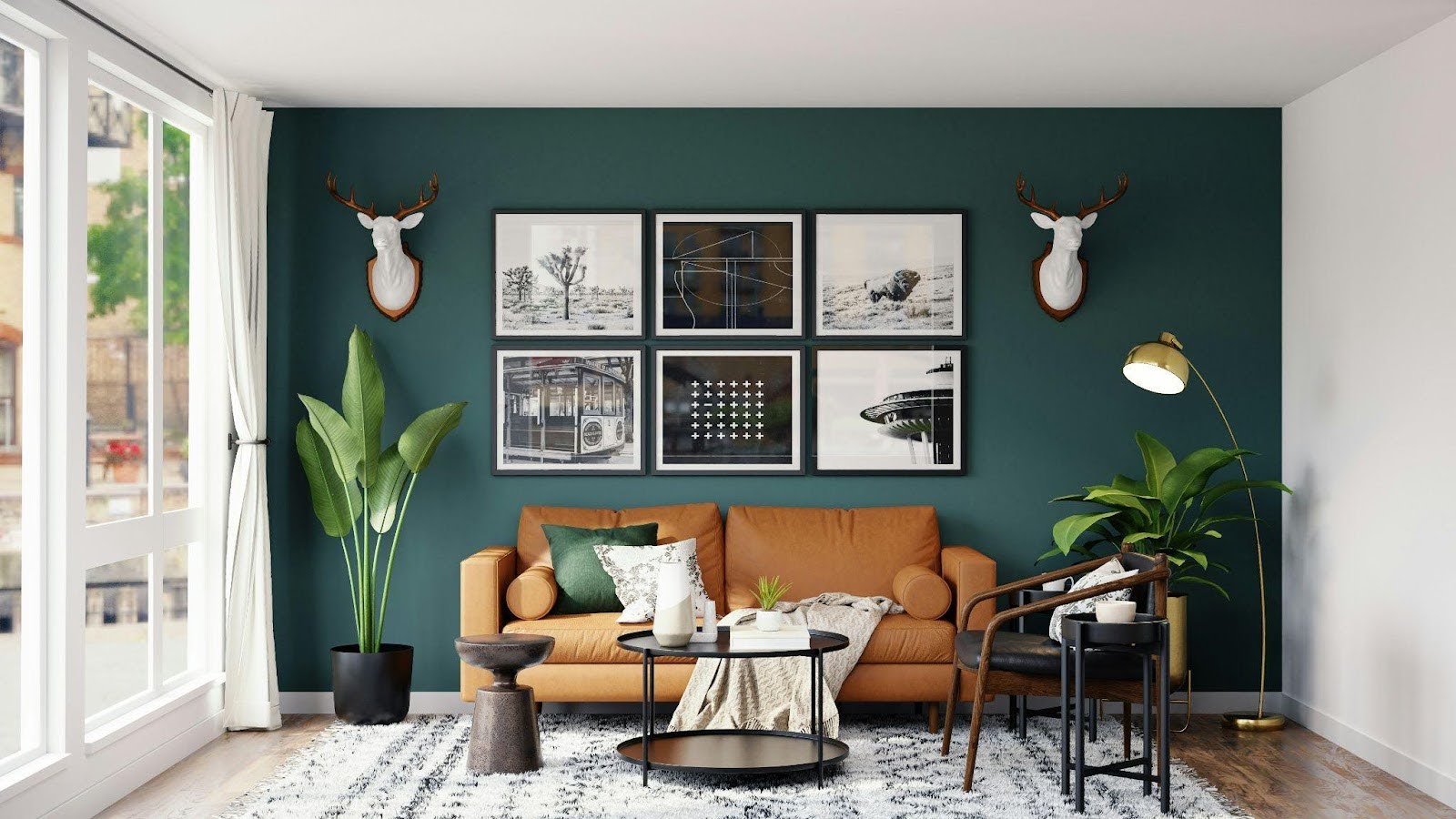
There’s a certain calmness that comes from building a home slowly, piece by piece, moment by moment, without rushing to fill shelves or force a style that doesn’t feel fully yours yet. The art of slow decorating embraces that pace. It invites you to choose meaning over immediacy, to let your home evolve naturally instead of all at once. Sometimes it starts with small decisions, a textured throw, a plant that unexpectedly thrives, or the moment you decide to order gallery wrapped canvas artwork that reflects something personal rather than just filling a blank wall. These choices add depth, warmth, and identity over time.
Slow decorating isn’t about minimalism or maximalism; it’s about intention. It’s a lifestyle approach that allows your home to grow with you, and in its own way, it teaches patience, gratitude, and appreciation for the details that matter most.
Why Slow Decorating Feels Different From Traditional Home Styling
Most home styling advice leans toward quick transformations, before-and-after reveals, one-day makeovers, instant shopping lists. Slow decorating works in the opposite direction. It encourages you to observe how you live before deciding what you need.
There is beauty in this delay. You notice light patterns, sound movement, emotional rhythms, and where you naturally spend time. You begin to see what feels right instead of buying what looks trendy.
The approach aligns closely with findings from the American Psychological Association, which notes that environments filled with personally meaningful items can enhance emotional well-being and reduce stress.
Slow decorating creates that sense of connection because everything you add feels earned and thoughtfully chosen, not rushed.
Starting With What Matters: Choosing Foundational Pieces
Slow decorating begins with your foundational items, the ones that shape the feeling of a room even when the décor is minimal.
These include:
A comfortable, meaningful seating piece
A chair or sofa you genuinely love makes the room worth returning to.
Softness underfoot
A rug that warms the space changes how you move through it.
Art or imagery that reflects you
A single meaningful art piece can anchor an entire room early on.
This is where many people incorporate their first piece of intentional art, something chosen because it resonates, not because the wall feels empty. A carefully selected canvas, a framed photograph, or artwork tied to a memory creates an emotional root in the space.
Letting Your Home Evolve Naturally Over Time
One of the most freeing parts of slow decorating is that nothing has to be finished right away. You follow your instincts instead of a deadline.
You might live with an empty wall for months while you wait for the right piece to emerge. A corner shelf may stay simple until you collect items with genuine meaning. A room might shift in layout three or four times before the best arrangement finally feels obvious.
Slow evolution makes the final result feel layered and lived-in rather than styled for a catalog.
The Role Of Art In Slow Decorating
Art plays a surprisingly essential role in slow decorating because it carries emotion, memory, and identity more directly than furniture does. When chosen slowly, art becomes deeply personal.
Rather than buying several fillers, slow decorators often select one piece at a time, something that speaks to them, something they can imagine living with for years. It might commemorate a moment, evoke nostalgia, or simply bring calm.
This careful selection eventually gives the room a sense of soul. The art becomes part of the home’s story, not just décor.
Building Atmosphere With Texture, Light, And Layers
Slow decorating celebrates subtlety. You build the atmosphere not through volume but through layers that reveal themselves gradually.
Here’s how:
Texture
A knitted blanket, a woven basket, a ceramic mug, small touches that change how the room feels, not just how it looks.
Light
Warm lighting creates softness, while window-filtered natural light adds clarity and ease.
Layers
Books stacked with intention, a plant that grows into a space, a candle that becomes part of a routine.
These elements work together to give the room emotional depth. The space becomes a reflection of your daily rhythm, not just your style preferences.
Buying With Intention: Quality Over Quantity
A hallmark of slow decorating is the shift from impulse buying to intentional selection. Instead of filling your cart, you wait. You choose items that:
- Feel meaningful
- Are made to last
- Carry emotional resonance
- Fit your long-term aesthetic
- Add comfort or beauty
This often leads to better-quality pieces that hold up over time. And since slow decorators buy fewer things overall, the investment feels worthwhile.
Whether it’s a piece of artwork, a handcrafted vase, or a special canvas print ordered during a meaningful season of life, each object becomes part of a growing narrative.
Embracing Imperfection And Change
Slow decorating also embraces imperfections. Maybe a thrifted table shows a few scratches. Maybe the plants aren’t arranged symmetrically. Maybe the two chairs don’t match exactly. But these elements make the space feel lived-in and authentic.
Since slow decorating unfolds over years rather than weeks, your home adapts as your life changes, new jobs, new routines, new tastes. Nothing is static; everything is alive.
Your Home As A Reflection Of Your Journey
In the end, slow decorating isn’t about aesthetics, it’s about life. The process mirrors the natural, uncertain, beautiful way people grow. You don’t always know what the final room will look like, but you trust it will become something meaningful because you built it with intention.
Every corner holds a story. Every piece has a purpose. Every detail reflects time, patience, and love. And when you decorate this way, your home stops feeling like a project and becomes something far more powerful: a sanctuary that evolves with you.
Email your news TIPS to Editor@Kahawatungu.com — this is our only official communication channel
